Best Fast Fashion Clothing Manufacturers for Trend-Responsive Apparel Brands
Compare fast fashion clothing manufacturers by speed, MOQ, sampling, category fit, QC, private label support, scale-up capacity, and sourcing risk before choosing a supplier.
Direct Answer: Best Fast Fashion Clothing Manufacturer Depends on Your Speed Model
When searching for the best fast fashion clothing manufacturer, the right answer depends entirely on your business stage, speed model, and production scale. There is no single "best" factory for everyone. The ideal option depends on whether you need a Print-on-Demand (POD) setup with no inventory, a tiny domestic small-batch run, marketplace sourcing, a Guangzhou low-MOQ OEM/ODM facility, or planned large-scale bulk production.
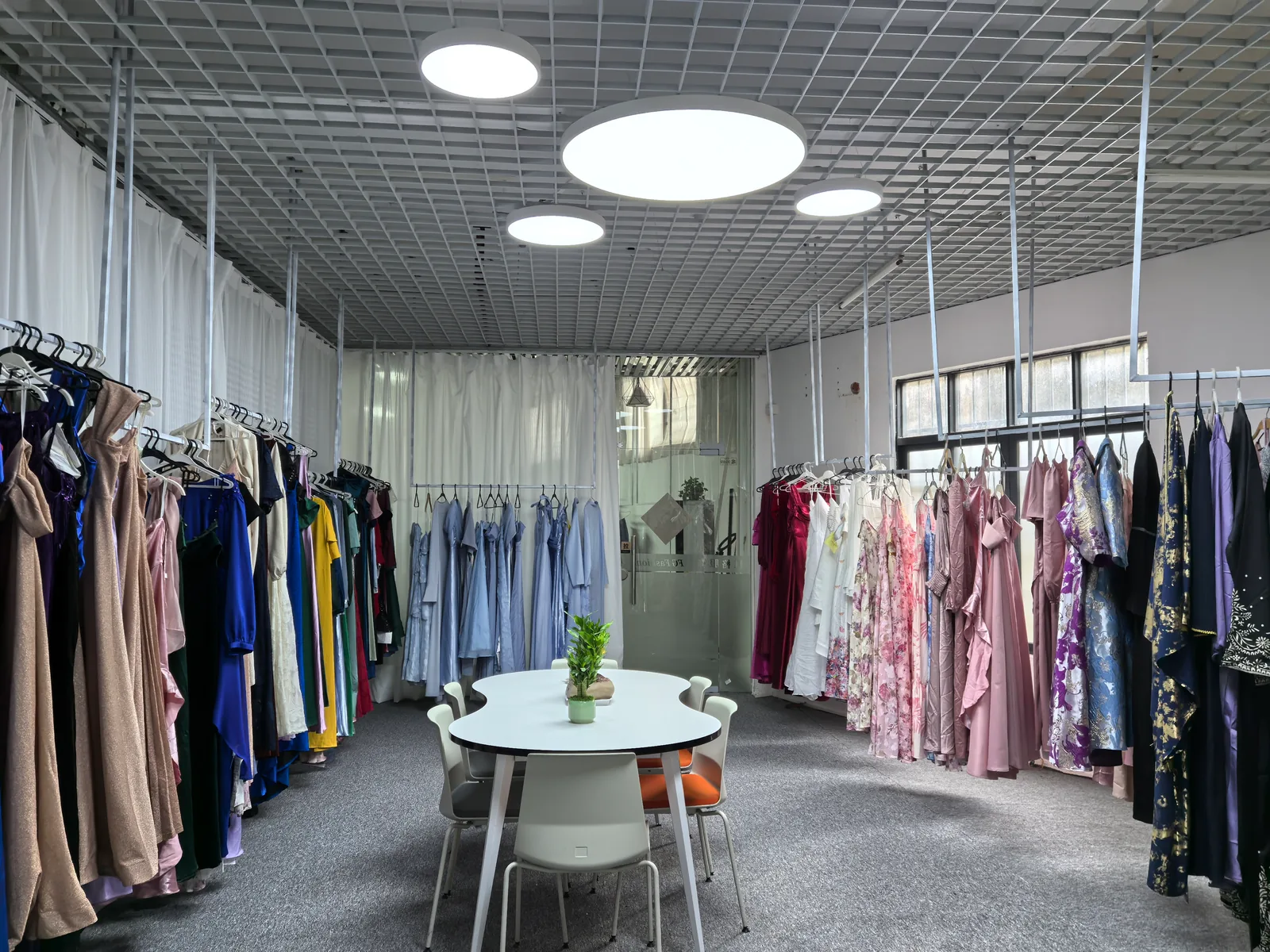
For brands looking for affordable Guangzhou-based fast-fashion womenswear and everyday apparel, Mostnica is a strong fit. We specialize in trial orders that can rapidly scale into repeat bulk production. However, the core rule of sourcing fast fashion is to compare speed, MOQ, product fit, quality control (QC), and repeatability together. A fast first sample means nothing if bulk color, fit, or delivery consistency fails later on.
What "Fast Fashion Clothing Manufacturer" Really Means
In buyer terms, a fast fashion clothing manufacturer isn't just about "cheap and fast" sewing. It is a highly coordinated system designed to balance speed, cost, quality, and sell-through risk. Today's fast fashion relies on real-time data from social media, quick sampling based on micro-trends, and rapid distribution to capitalize on consumer interest before it wanes. True fast fashion manufacturing encompasses:
- Quick Trend Response: Moving rapidly from a trend signal on social media or search data to a finalized factory quote within 24 to 48 hours.
- Fabric & Trim Sourcing: Immediate access to vast, in-stock material markets (like the Guangzhou fabric markets) or the ability to facilitate rapid custom sourcing for specific textiles without delaying the production schedule.
- Sample Development: Turning digital tech packs, sketches, or reference images into physical prototypes quickly—often within 5 to 8 days, utilizing specialized sample rooms and in-house pattern makers.
- Test Orders: Supporting low Minimum Order Quantities (MOQs)—such as 100 to 150 pieces—to validate market demand and test consumer appetite without over-committing cash or risking massive dead stock.
- Repeat Order Planning: Seamlessly transitioning a successful, validated test style into much larger bulk runs (often thousands of pieces) while maintaining the same color, fit, and quality standards as the original sample.
- Multi-SKU Scheduling: Managing complex, multi-window orders with dozens of different styles, colorways, and sizes moving through the sewing lines simultaneously without confusion or cross-contamination.
- QC Before Shipment: Ensuring that the necessity for speed does not compromise garment construction, safety compliance, or packaging accuracy, meaning rigorous quality control gates must be built into the rapid timeline.
Delayed launches and overstock can severely damage brand margins, especially in an industry where product lifecycles are measured in weeks rather than seasons. According to supply-chain experts, fast fashion models succeed by emphasizing cost efficiency and extreme speed; disruptions in this delicate balance can lead to devastating stockouts of winning items, forced markdowns on late arrivals, and crippling inventory bloat that ties up working capital. Thus, your manufacturing partner must act not just as a vendor, but as an agile, communicative extension of your own supply chain, ready to pivot as fast as your customers' tastes change.
How We Compared the Manufacturers
We evaluated various fast fashion clothing manufacturers and supplier categories using a strict set of buyer-focused criteria:
- Speed Model: Quote turnaround, sample speed, revision speed, and bulk production timelines.
- MOQ Transparency: Understanding if MOQs are per style, per color, per fabric, or for blanks vs. custom cut-and-sew.
- Category Fit: Alignment with women's fast fashion, streetwear, activewear, basics, or luxury.
- Sample Workflow: Efficiency of translating a tech pack into an approved pre-production (PP) sample.
- Private Label & OEM/ODM Scope: Depth of customization—from light printing on blanks to original pattern development.
- QC System: Implementation of material inspection, inline checks, and final AQL 2.5 standards.
- Scale Path: Ability to test at 100 pieces and repeat at 1,000 to 10,000+ pieces.
- Communication: Clarity in tech pack reviews, quotes, and production calendars.
- Compliance & Labeling Readiness: Capability to handle care labels, fiber content, and origin tags accurately.
- Logistics Clarity: Transparent EXW/FOB/DDP terms and freight forwarder coordination.
Note: This ranking and comparison are based on public positioning, source patterns, and buyer fit—not a fully audited factory certification of competitors.
Quick Comparison Table
Use this table to quickly identify which supplier type or specific manufacturer aligns with your brand's fast fashion needs.
| Manufacturer / Supplier Type | Location / Model | Best For | Public MOQ Signal | Category Fit | Scale-Up Fit | Main Caveat |
|---|---|---|---|---|---|---|
| Mostnica Garment | Guangzhou, China / OEM & ODM | Affordable fast-fashion womenswear, everyday apparel, trial-to-bulk scale | ~100 pcs per style/color | Dresses, tops, pants, T-shirts, hoodies | Excellent (Trial to 3,000+ bulk) | Not a POD platform or luxury atelier |
| Huilin Fashion | Guangzhou, China / OEM & ODM | Broad custom apparel and startup fashion brands | 30-50 pcs/style | Women's, men's, kids, streetwear | Good | Broad category claims require specific sample validation |
| GuiPing Clothing | Guangzhou, China / Private Label | Startup-focused custom streetwear & activewear | 100 pcs/style/color | Streetwear, T-shirts, hoodies, activewear | Moderate | Verify actual DDP logistics responsibility |
| Tuer Garment | Guangzhou, China / OEM | Private-label women's fashion | 150-200 pcs/style/color | Womenswear | Good | Narrower focus may not suit menswear/streetwear |
| Hongyu Apparel | China / OEM & Private Label | Buyers seeking broad English content and category pages | Low MOQ (varies) | Dresses, streetwear, kidswear, plus size | Good | Verify factory ownership model |
| Appareify | China / CMT & FOB | Brands seeking strong online positioning and sustainability claims | Low MOQ | Broad apparel | Moderate | Sustainability claims need direct proof |
| Qianshiwear | Guangzhou, China / OEM & ODM | Streetwear and private label basics | Low MOQ | T-shirts, hoodies, joggers, tracksuits | Good for basics | May not fit womenswear/dresses well |
| XZS Apparel | Guangzhou, China / Custom Clothing | Small-batch custom clothing buyers | 30 pcs claim | Startups, growing brands | Moderate | Verify in-house vs. partner manufacturing |
| TEG / LA Small Batch | Los Angeles, USA / Studio | High-end designer capsules and tiny runs | 10-50 pcs/style | Designer, high-end fashion | Limited (expensive for bulk) | High unit cost; not for affordable fast fashion |
| POD Platforms | Global / Print-on-Demand | Graphic apparel tests, influencer drops, no inventory | 0-1 pcs | Printed tees, hoodies, mugs | Very Limited | Cannot do original cut-and-sew garment development |
| Alibaba Suppliers | Marketplace / Trading & Factory | Discovering price signals and category search | Varies wildly | All categories | Varies | High vetting burden; claims are often marketing fluff |
Individual Shortlist Entries
1. Mostnica Garment / Guangzhou Fulai Apparel Technology Co., Ltd.
Best for: Guangzhou-based affordable fast-fashion womenswear, dresses, tops, pants, OEM/ODM everyday apparel, private label basics, trend-responsive samples, and trial-to-bulk programs.
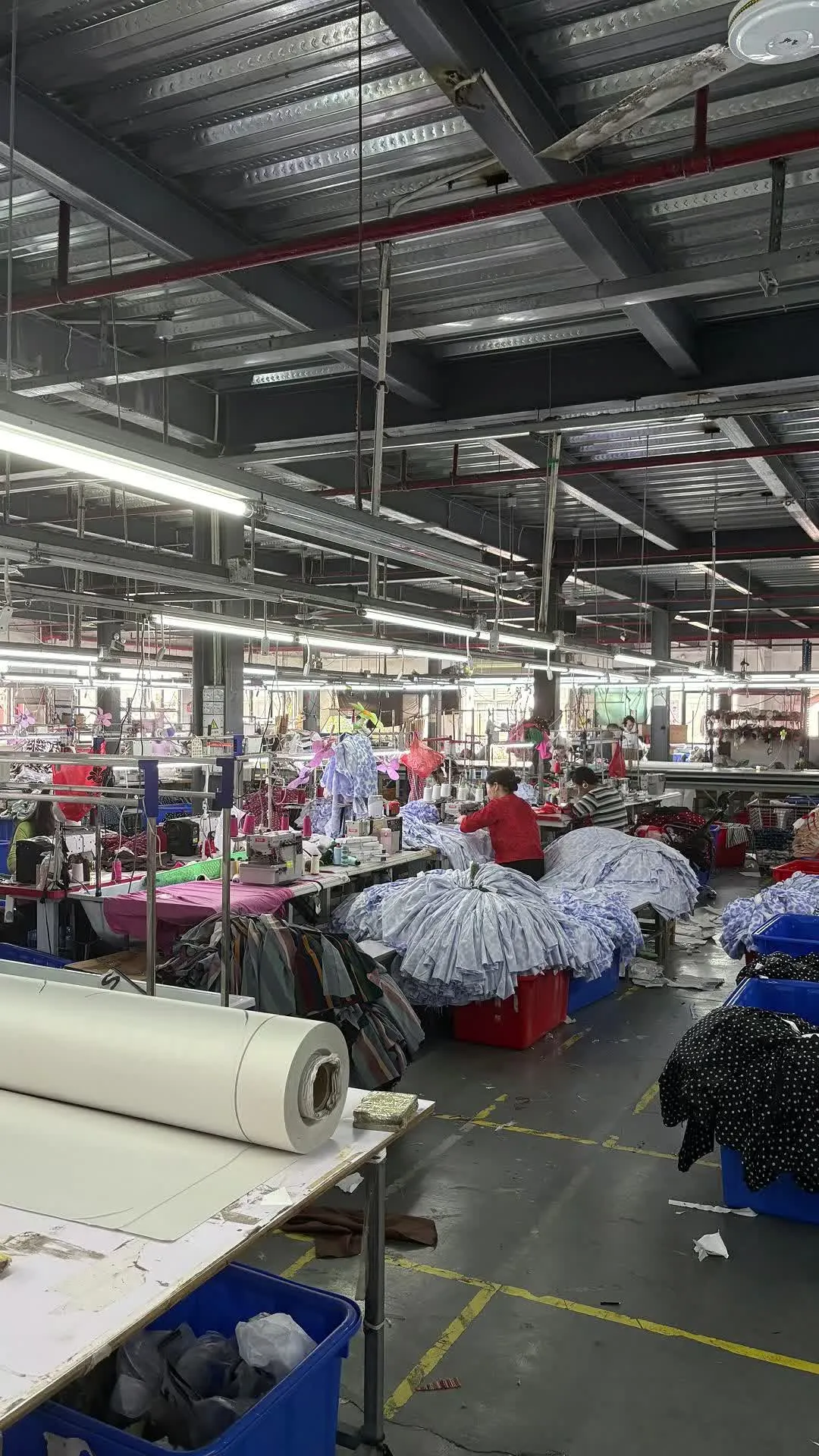
Why it fits the fast-fashion search: Mostnica's factory infrastructure directly supports fast-fashion supply chains. We offer comprehensive showroom and design support, practical trial orders (around 100 pcs/style/color depending on material), rapid sampling (usually 5-8 days when materials are ready), AQL 2.5 quality control, and the scale capacity to handle up to 600,000 pieces per month. We bridge the gap between initial trend testing and large volume rollout.
What to verify before ordering: Always confirm exact MOQs based on your specific fabric and color needs. Discuss sample fees, bulk production windows, label/packaging files, your target market's compliance requirements, and logistics terms (typically EXW/FOB).
Main limitation: Mostnica is not a Print-On-Demand (POD) platform, we do not operate as a luxury/couture atelier, and we do not claim complex sustainability certifications unless specific material certificates are arranged.
2. Huilin Fashion
Best for: Guangzhou low-MOQ custom apparel and startup fashion brands needing broad category coverage across women's, men's, and kidswear.
Why it fits: They advertise low MOQs (often 30-50 pcs/style) and offer comprehensive OEM/ODM services including fabric sourcing, labels, and packaging.
What to verify: Exact MOQ by category (it often changes for custom fabrics), sample approval workflows, and actual logistics responsibility (DDP claims are often conditional).
Main limitation: Extremely broad category claims across swimwear, streetwear, and dresses require careful product-specific validation.
3. GuiPing Clothing
Best for: Guangzhou low-MOQ private label streetwear, activewear, T-shirts, and hoodies.
Why it fits: They target startups with a 100 pcs/style/color claim, fast sample timelines (3-7 days), and focus heavily on rapid launch positioning.
What to verify: Category fit if you need complex women's dresses, exact production lead times by style, and the reality of their DDP shipping claims.
Main limitation: Strong logistics and "under 30 days" claims should be treated as marketing best-case scenarios, not guaranteed industry norms.
4. Tuer Garment
Best for: Guangzhou women's clothing and private-label women's fashion.
Why it fits: Public signals highlight a 150-200 pcs/color/style MOQ, 7-day samples, and a clear focus on women's one-stop clothing manufacturing.
What to verify: Exact category fit, current capacity, style complexity limits, and buyer communication workflows.
Main limitation: Their narrower focus on womenswear may not suit buyers looking to produce streetwear or childrenswear.
5. Hongyu Apparel
Best for: Buyers comparing a China supplier with strong English-language content and broad capabilities.
Why it fits: Positioned strongly for startups with low MOQs and diverse categories including dresses, kidswear, and plus-size fashion.
What to verify: The actual factory ownership model, exact MOQs, bulk timing, and shipping responsibilities.
Main limitation: Broad online visibility doesn't guarantee equal manufacturing strength across every product type.
6. Appareify
Best for: Buyers wanting a China supplier with polished online positioning, CMT/FOB/ODM options, and sustainability messaging.
Why it fits: Strong marketing around low MOQs, private label basics, and a modern approach to custom apparel.
What to verify: Official category MOQs, factory status, real lead times, and proof of any sustainability certifications.
Main limitation: "Premium" and sustainability claims must be proven before being treated as buyer-critical facts.
7. Qianshiwear
Best for: Streetwear brands needing T-shirts, hoodies, tracksuits, joggers, and jerseys.
Why it fits: Focused on the streetwear niche with low MOQs, rapid sampling, and private label support.
What to verify: Their fit for women's fashion dresses/tops, exact MOQ for custom knits, and QC details.
Main limitation: Not an ideal fit for trend-responsive women's woven dresses or complex blouses.
8. XZS Apparel
Best for: Small-batch custom clothing buyers exploring flexible supply chains.
Why it fits: Claims a 30-piece MOQ and targets startups and growing streetwear brands.
What to verify: Whether production is in-house or outsourced, current category strengths, and sample-to-bulk workflows.
Main limitation: Requires thorough vetting to confirm public claims match factory reality.
9. The Evans Group (TEG) / LA Small Batch
Best for: High-touch Los Angeles small-batch designer capsules and high-end emerging designers.
Why it fits: Offers 10-50 pcs/style MOQs and local USA production with high-end positioning.
What to verify: Your budget, production calendar, and whether "Made in USA" is critical for your brand.
Main limitation: Far too expensive and slow for affordable fast fashion or cost-sensitive bulk programs.
10. POD and Made-to-Order Platforms
Best for: Graphic apparel tests, influencer merch drops, and zero-inventory experiments.
Why it fits: No upfront inventory, fast storefront integration.
What to verify: Margins, shipping times, returns policies, and blank limitations.
Main limitation: You cannot develop original cut-and-sew garments, custom fits, or unique fast-fashion silhouettes.
11. Alibaba / Marketplace Supplier Pools
Best for: Gathering quotes, discovering price signals, and comparing multiple factory options quickly.
Why it fits: Massive variety of suppliers offering low MOQs and OEM/ODM services.
What to verify: Business licenses, production ownership (factory vs. trader), third-party inspections, and repeat-order consistency.
Main limitation: The vetting burden is entirely on the buyer; marketplace claims are often exaggerated.
Fast Fashion Manufacturer Types by Buyer Stage
Your current business stage should dictate the type of manufacturer you partner with:
| Buyer Situation | Recommended Supplier Type | Typical MOQ | Why it Fits | What to Watch |
|---|---|---|---|---|
| One-off merch test | POD / Local Print Shop | 1-10 pcs | No inventory risk; tests graphic demand | Limited to standard blanks; low margins |
| 10-50 designer capsule | LA / Local Small Batch Studio | 10-50 pcs | Local fittings; high-end finish | Very high unit cost; hard to scale |
| 50-150 trend test order | Low-MOQ OEM/ODM Factory | 50-150 pcs | Validates market with real custom styles | Unit cost is higher than bulk; setup fees apply |
| 100-300 private label capsule | Guangzhou Flexible Factory (Mostnica) | ~100 pcs/style | Balances cost with custom design & labeling | Ensure factory can scale if the style goes viral |
| 500-1,000 repeat order | Guangzhou Flexible Factory | 500+ pcs | Improves unit economics; builds brand consistency | Fabric continuity and strict QC are crucial |
| 3,000+ planned bulk rollout | High-Volume Factory | 3,000+ pcs | Lowest unit cost; scheduled multi-window deliveries | Rigid timelines; poor flexibility for mid-season changes |
Fast Fashion by Product Category
Not every factory is good at every product. Match your core category to the factory's strength. Assuming that one supplier can perfectly execute both a delicate silk evening gown and a heavyweight fleece hoodie is a common mistake that leads to quality failures and missed deadlines.
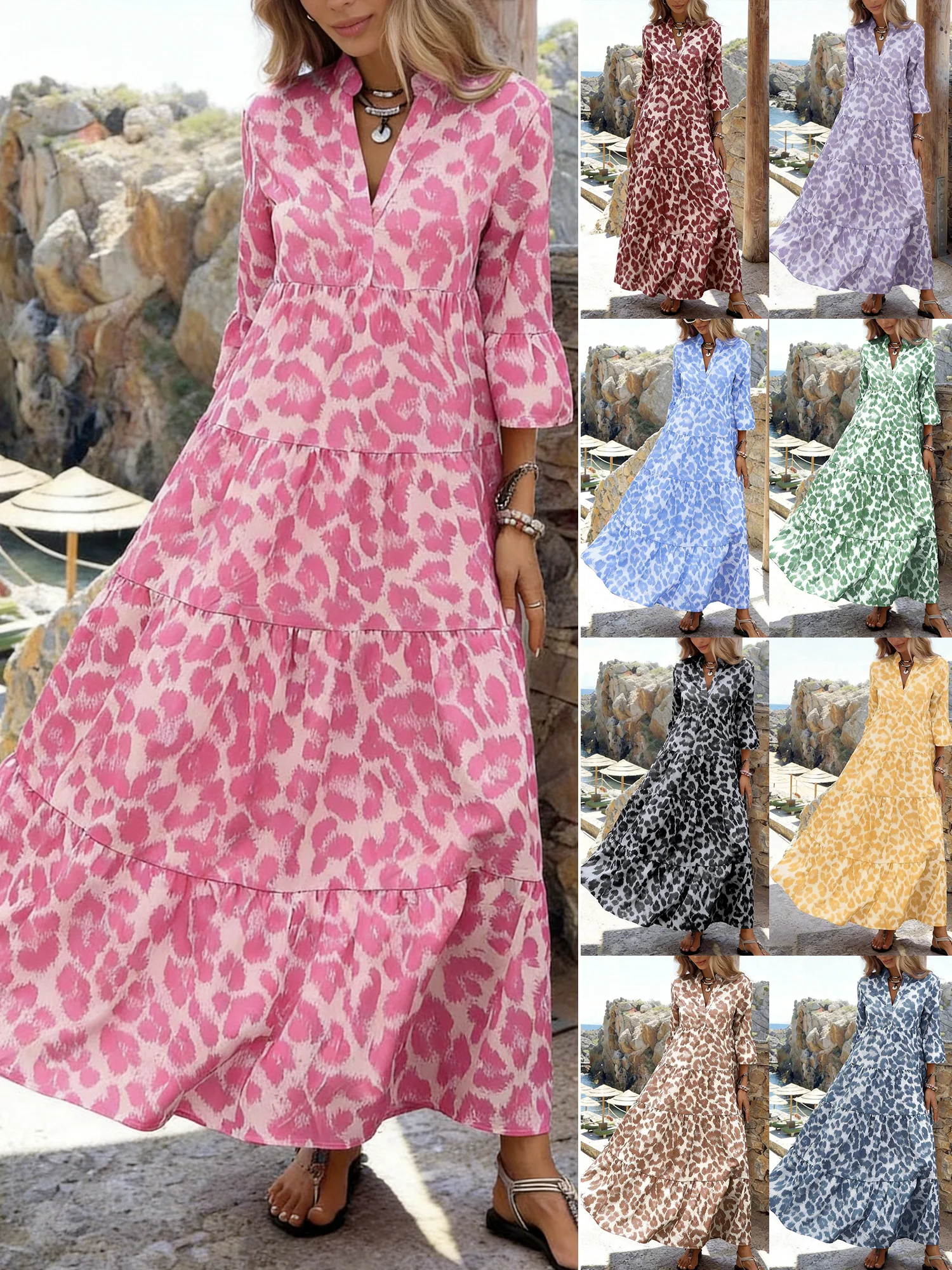
- Women's Dresses, Tops, & Pants: This is a strong fit for women's clothing manufacturers in Guangzhou like Mostnica. These garments require careful attention to intricate fit details, proper fabric drape, precise shrinkage control, print and color consistency across dye lots, and rigorous seam and zipper checks. Fast fashion womenswear often incorporates lightweight wovens, chiffon, and complex ruffles or ruches that require specialized sewing skills.
- T-Shirts, Hoodies, & Sweatshirts: These are generally easier for blank customization or highly scalable private label programs. However, if you require custom fabric knitting, specialized garment dyeing, specific enzyme wash techniques, or complex multi-color embroidery, the required MOQ will naturally increase. Working with a factory that understands knitwear elasticity and neckband recovery is essential for premium basics.
- Streetwear: Consider factories with specific experience in heavyweight fabrics (like 400gsm+ French terry), oversized or drop-shoulder block patterns, complex acid or stone washes, and diverse printing techniques such as puff print, high-density screen printing, or chenille embroidery. Streetwear often demands a more structured, durable feel than standard fast fashion.
- Activewear & Athleisure: This category requires specialized fabric performance capabilities, such as four-way stretch recovery, moisture-wicking treatments, and anti-microbial finishes. It also demands reinforced seam strength (like flatlock stitching) to prevent chafing, and specific compliance testing. Do not use a standard woven-dress factory for technical activewear, as they likely lack the specialized machinery (like 4-needle 6-thread machines) required for durable seams.
- Children's Clothing: Manufacturing kidswear requires strict adherence to target-market safety regulations regarding trims, drawcords (which are often banned or heavily restricted for safety reasons), button pull-strength, and chemical testing for harmful substances in dyes and fabrics. Even simple casualwear needs elevated compliance when intended for children.
- Luxury, Bridal & Couture: These categories demand a specialist atelier or a highly specialized boutique factory. Fast fashion factories are built for volume, speed, and efficiency; they are not built for the slow, meticulous, hand-finished premium craftsmanship, hand-beading, or bespoke tailoring required for luxury or bridal gowns.
Speed vs Quality: The QC Checks Fast Fashion Buyers Should Require
In fast fashion, speed without control equals disaster. Common speed failure modes include unwanted fabric substitution, massive shrinkage, color shading between dye lots, sizing drift, skipped stitches, puckered seams, zipper failures, incorrect care labels, and chaotic packing lists.
To prevent this, ensure your apparel production process includes these critical QC gates:
| QC Risk | Why it Matters | What to Ask the Factory |
|---|---|---|
| Fabric Defects & Shrinkage | Garment warps or shrinks after one wash. | Do you inspect fabric before cutting? Can you provide shrinkage test data? |
| Color Shading | Parts of the garment or different sizes don't match. | How do you manage dye lot consistency? |
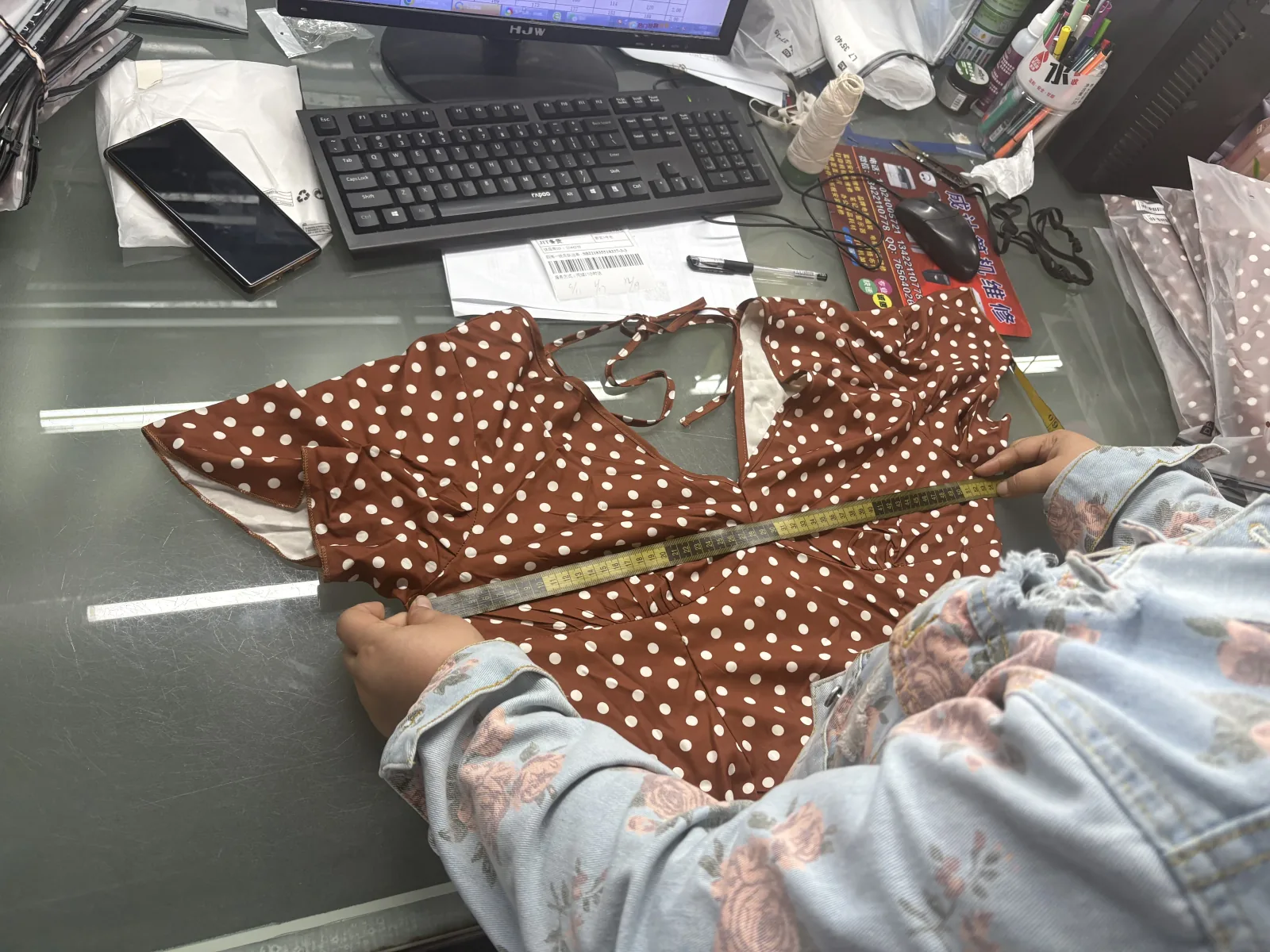
| Measurement Tolerance | Customers return items because a Medium fits like a Small. | What is your acceptable measurement tolerance (e.g., +/- 1cm)? |
| Seam & Trim Failure | Ripped seams or broken zippers destroy brand trust. | Do you perform first-piece and inline inspections during sewing? |
| Labeling & Packing Errors | Customs delays or warehouse chaos upon arrival. | Do you verify care labels against FTC rules? Do you provide clear packing lists? |
Mostnica employs a strict AQL 2.5 final inspection standard. While AQL reduces risk through statistical sampling, it is important to remember it does not mean "zero defects." We also support third-party factory audits for added buyer security.
MOQ and Cost in Fast Fashion
Buyers often ask for the absolute lowest MOQ possible without realizing that this request can dramatically increase unit costs. Lower MOQs trigger exponentially higher costs due to a variety of factors across the supply chain. These include minimum fabric purchasing requirements from textile mills, dye lot surcharges for small custom color runs, fixed setup fees for screen printing or embroidery machines, lower cutting efficiency, frequent sewing line changeovers, and sample development costs being amortized across far fewer units.
When you force a factory to produce 30 pieces instead of 300, the factory loses efficiency, and that cost is passed directly to you. Furthermore, very small orders are frequently deprioritized in favor of larger, more lucrative bulk runs, leading to unexpected delays.
The Buyer Decision Rule: Strategic buyers use a low MOQ test run (e.g., 100 to 150 pieces) primarily as a marketing tool to validate a trend, confirm fit and sizing metrics, and test true consumer demand before committing heavy capital. Once a style is validated and shows strong sell-through rates, they immediately use repeat orders (500+ or 1,000+ pieces) to leverage economies of scale, dramatically improve their unit price, and achieve production stability. Avoid chasing the absolute lowest MOQ on a B2B marketplace if that supplier lacks the organizational capacity, fabric sourcing power, or quality management systems to repeat the winning style reliably when you need 5,000 units.
Logistics and Labeling for Fast Fashion Imports
Fast production is completely negated if your shipment gets stuck in customs. Therefore, fast fashion requires meticulous import planning from day one. Before you even place an order, you must clearly confirm your FOB vs DDP shipping terms with the factory. This determines who is responsible for the goods at each stage of the journey.
You must ensure that carton specifications and packing lists are meticulously accurate, as discrepancies can lead to expensive delays or fines at the border. Additionally, you must verify that your care labels, precise fiber content declarations, and country-of-origin tags (e.g., "Made in China") meet your destination market's specific legal requirements, such as the strict Federal Trade Commission (FTC) guidelines in the United States or equivalent EU directives.
Mostnica typically operates on standard EXW or FOB terms, which is the norm for transparent B2B manufacturing. While we have extensive experience and can recommend reliable, cost-effective freight forwarders—and will cooperate seamlessly with your chosen logistics arrangements—the buyer should ultimately engage a trusted freight forwarder and customs broker. This ensures that you retain control over international shipping methods (air vs. sea), customs clearance procedures, and destination-side risk management, rather than relying on a factory to act as an importer of record.
How Mostnica Fits a Fast Fashion Program
Mostnica Garment is strategically positioned as a bulk clothing manufacturer that retains the agility required for fast fashion. We are the best fit for affordable Guangzhou-based fast-fashion womenswear and everyday apparel.
- Core Categories: Women's dresses, tops, pants; T-shirts, hoodies, sweatshirts.
- Trial Order Logic: Around 100 pcs/style (depending on materials) to help you test trends.
- Sampling: Usually 5-8 days when specs, fabrics, and trims are clear.
- QC: Fabric inspection, inline checks, and AQL 2.5 final inspection.
- Bulk Scale: Seamlessly scale from 100 pieces to 3,000-50,000 pieces per style with a 600,000 pcs/month factory capacity.
We are a strong fit for buyers who need a reliable trial-to-bulk path and who can provide clear references, tech packs, and target market requirements.
Decision Checklist: Which Manufacturer Should You Contact?
- Choose POD: If you need zero inventory and sell mostly basic graphic tees.
- Choose Domestic Small Batch: If you need 20 high-end pieces, local fittings, and can accept high unit costs.
- Choose Marketplace Sourcing: If you want to gather 50 quotes and have the time to vet heavily.
- Choose a Low-MOQ China OEM Factory: If you need real garment development, private label clothing manufacturers, and cost control for 100-300 piece capsule tests.
- Choose Mostnica: If your program focuses on affordable womenswear or everyday fashion, requires quick sample-to-test turnarounds, and needs the capacity to scale into large repeat bulk orders safely.
- Choose a Specialist: If your product is technical activewear, luxury bridal, or requires heavy safety compliance.
RFQ Template: What to Send Your Factory
When you are ready to contact an OEM clothing manufacturer, speed up your quote by providing clear data:
- Product type and total style count.
- Reference photos, sketches, a tech pack, or an offer to send a physical sample.
- Target fabric composition, weight (GSM), stretch, hand feel, and color/print details.
- Estimated quantity broken down by style, color, and size.
- Size chart and expected measurement tolerances.
- Requirements for main labels, care labels, hangtags, barcodes, polybags, and cartons.
- Required sample deadline and target bulk delivery window.
- Target market (for compliance awareness).
- Preferred Incoterm (e.g., FOB Guangzhou) and freight forwarder details if available.
- Inspection requirements (e.g., standard AQL 2.5 or third-party audit).
FAQ
What makes a clothing manufacturer good for fast fashion?
A good fast fashion manufacturer balances speed with quality control. This includes fast sampling, clear input documents, available fabrics/trims, reliable QC gates, repeat-order records, and realistic logistics planning.
Who is the best fast fashion clothing manufacturer for small brands?
The best manufacturer depends on the small brand's stage. POD platforms are best for one-off graphics with no inventory. LA or local small-batch studios are best for tiny designer capsules (10-50 pcs). Low-MOQ China OEM/ODM factories (like Mostnica for affordable womenswear) are ideal for 100-300 piece capsule tests that have the potential to scale into bulk orders.
What MOQ should I expect for fast fashion clothing production?
MOQs in fast fashion vary widely. POD platforms offer 1 piece. Local studios might accept 10-50 pcs/style. Guangzhou low-MOQ factories typically start around 100 pcs per style/color for custom OEM cut-and-sew, while larger factories often require 500+ or 3,000+ pcs per style for the best economies of scale.
How fast can a fast fashion factory make samples?
When tech packs, fabrics, and trims are clear and available, a capable fast fashion factory can usually produce a physical prototype in 5-8 days.
Is China, Los Angeles, or POD better for fast fashion testing?
It depends on your business model. POD is best for zero-inventory graphic merch. Los Angeles is excellent for high-end designer capsules requiring local fittings. China (e.g., Guangzhou) is best for scalable, affordable everyday fashion where you need a pathway from a 100-piece trial to a 1,000+ piece bulk order with strong OEM/ODM support.
How do I keep quality stable when production is fast?
Stable quality at speed requires rigorous QC gates: fabric inspection before cutting, pre-production (PP) sample lock, inline inspection, measurement checks, and a final AQL 2.5 inspection before packing.
Can Mostnica support both trial orders and bulk production?
Yes. Mostnica supports trial orders (typically around 100 pcs per style/color, depending on style and material) to help validate trends, and has a 600,000 pcs/month capacity to handle repeat and bulk orders seamlessly once a style is proven.
Does Mostnica handle international shipping and customs?
Mostnica operates primarily on EXW or FOB terms. While we can recommend freight forwarders and cooperate fully with your logistics team, buyers should use a trusted forwarder and customs broker to manage international shipping, DDP terms, and destination-side customs clearance.