Manufacturing Guide
Apparel Production Process: From Tech Pack to Bulk Shipment
Understanding the apparel production workflow is crucial for fashion brands. Learn the exact steps from pre-production sampling to bulk sewing, quality control, and international logistics.
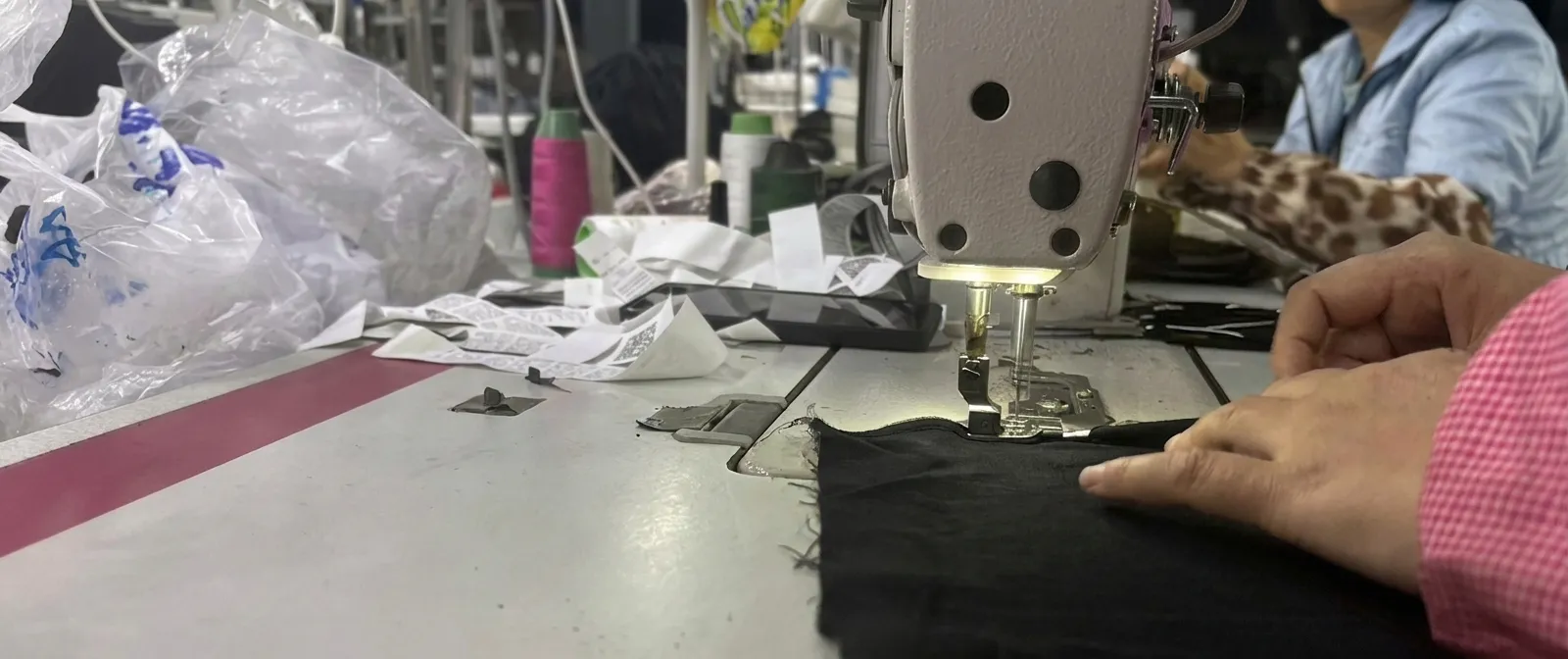
The Three Stages of Garment Manufacturing
The apparel production process is not a single event but a carefully orchestrated sequence of operations. It is generally divided into three major stages: Pre-Production (planning, sourcing, and sampling), Production (cutting, sewing, and assembly), and Post-Production (finishing, inspection, packing, and shipment).
Knowing what happens at each stage—and what you, as the buyer, are required to provide—can drastically reduce delays, eliminate miscommunications, and ensure that your final product meets your quality expectations.
| Stage | Buyer Input | Factory Output | Common Delays |
|---|---|---|---|
| Pre-Production Spec review, sampling, material sourcing |
Tech pack, reference samples, size chart, fabric preference | Quote, fabric swatches, Proto sample, Fit sample, PP sample | Indecision on fabric, unclear fit feedback, missing trim approvals |
| Production Cutting, sewing, inline QC |
Final approval of PP sample, bulk deposit payment | Cut panels, sewn garments, inline inspection reports | Late approval of PP sample, sudden changes to grading rules after cutting |
| Post-Production Finishing, AQL inspection, packing |
Balance payment, freight forwarder details, packing requirements | Cleaned, pressed, packed cartons ready for dispatch | Delayed balance payment, lack of clear shipping instructions |
Pre-Production: Planning and Sourcing
Inquiry and Spec Review
The process begins when you submit an inquiry. To provide an accurate quote, a factory needs a comprehensive Tech Pack. This document should include flat sketches, a Bill of Materials (BOM), specific construction details, and a size chart with grading rules. If you do not have a formal tech pack, clear reference images combined with a physical reference sample and target size chart are acceptable starting points. We also need to know your target fabric requests.
Quote and MOQ Logic
Once we review your inputs, we provide a quotation. Cost and Minimum Order Quantities (MOQ) are heavily intertwined. A factory's MOQ is usually driven by the fabric mill's MOQ. If you choose an in-stock fabric from the Guangzhou market, the MOQ can be as low as 100 pieces per style. If you require custom dyeing, specific fabric weights, or custom prints, the MOQ will naturally increase. Other factors that affect cost include the number of colorways, the size range (inclusive sizing requires more fabric per unit and complex grading), construction complexity, and custom trims or packaging.
Fabric and Trim Sourcing & Testing
Before bulk production begins, all materials must be finalized. We source fabric swatches or produce lab dips for custom colors for your approval. We also rigorously test materials for fabric weight (GSM), shrinkage after washing, colorfastness, and potential color variation across different dye lots. Trims like custom zippers, buttons, and woven labels must also be approved at this stage.
Sample Development
Sampling is a multi-step process:
- Proto Sample: The first draft to review the basic design and silhouette.
- Fit Sample: Made in the correct fabric to evaluate how the material drapes and stretches on a fit model.
- Size Set: Samples in extreme sizes (e.g., XS and XXL) to verify the grading rules.
- PP Sample (Pre-Production Sample): The final, sealed sample made with bulk fabric and trims. This is the absolute standard for bulk production.
Production: Cutting and Sewing
Production Planning
After the PP sample is approved, we hold a pre-production meeting with the cutting and sewing teams. We create detailed operation sheets and execute line planning to optimize the workflow and prevent bottlenecks.
Cutting and Bundling
Before cutting, fabric rolls must be relaxed to prevent garments from shrinking after assembly. We use CAD software to create a highly efficient "marker" (the layout of pattern pieces on the fabric) to minimize waste. Once cut, the fabric panels are carefully bundled and numbered to ensure that parts from different dye lots or sizes are not mixed during sewing.
Sewing and Inline Inspection
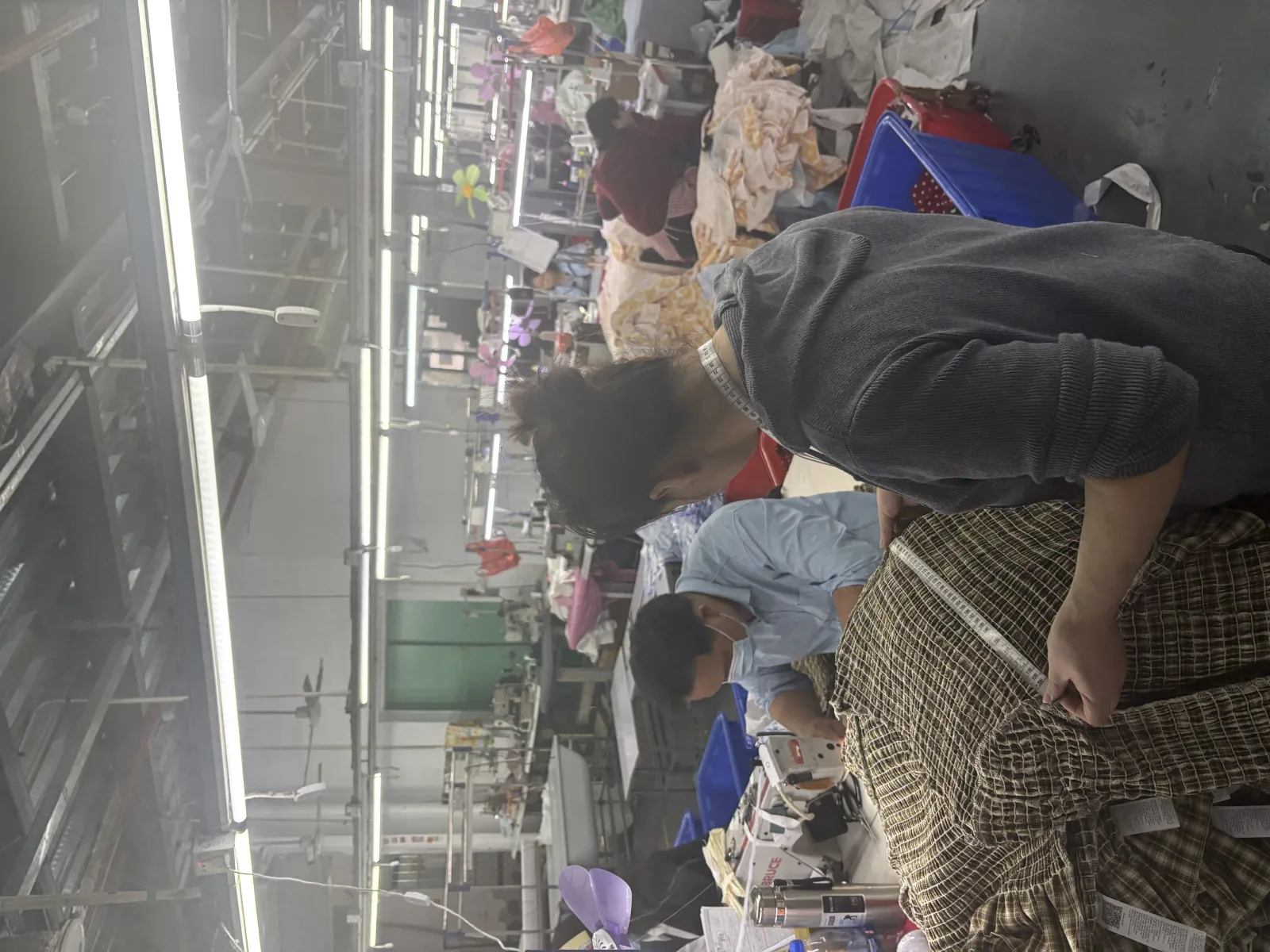
The bundles move to the sewing lines. Here, garments are assembled step-by-step. During this phase, inline inspection is critical. QC personnel patrol the lines hourly, checking stitch density, seam strength, and crucial measurements. If an operator is consistently making an error, it is caught immediately, allowing for immediate rework before the entire batch is flawed.
Post-Production: Finishing and Logistics
Finishing, Final Inspection, and AQL Sampling
Once sewn, garments are trimmed of loose threads, ironed or steamed, and sent for final inspection. Mostnica operates under the internationally recognized AQL 2.5 (Acceptable Quality Limit) standard for major defects. This statistical sampling method supports consistent quality control across the order. For sampling logic, defect classes, and buyer-side PO language, read the AQL 2.5 garment inspection guide. We also welcome third-party inspection agencies.
| Quality Gate Checklist | |
|---|---|
| Fabric Gate | Check for color shading, fabric flaws, correct weight (GSM), and shrinkage testing results. |
| Cutting Gate | Verify marker accuracy, check panel dimensions against patterns, ensure proper bundle ticketing. |
| Sewing Gate (Inline) | Check stitch tension, seam puckering, alignment of pockets/collars, and adherence to the PP sample. |
| Finishing Gate | Verify thread trimming, pressing quality, label placement, and overall garment cleanliness. |
| Packing Gate | Check barcode accuracy, verify polybag warnings, confirm folding methods, and ensure correct carton assortments. |
EXW, FOB, and the Logistics Boundary
After packing, the goods are ready for dispatch. It is vital to understand shipping terms. EXW (Ex Works) means the buyer takes responsibility the moment the goods leave our factory floor. FOB (Free On Board) means we cover the costs and risks to transport the goods to the nearest port (e.g., Shenzhen or Guangzhou) and load them onto the vessel. For international shipping, DDP, and navigating destination-side customs, we strongly recommend that buyers partner with an experienced freight forwarder.
The Mostnica Fit
At Mostnica, our expertise lies in fast-response womenswear and everyday apparel. Located in Panyu, Guangzhou, we leverage the vast Zhongda fabric market ecosystem to offer agile production. Whether you need a 100-piece trial order to test a new style or a 50,000-piece bulk run, our workflow starts with clear references; buyers can use our tech pack preparation guide to organize those details before sampling.
Frequently Asked Questions
Can you start production if I don't have a tech pack?
Yes. While a tech pack is highly recommended, we can work from clear reference images, physical sample garments, and a detailed size chart. Our in-house development team will assist in translating your vision into a production-ready format.
What is the difference between a prototype sample and a PP sample?
A prototype (proto) sample is an early draft meant to test basic fit and design, often using substitute fabrics. A Pre-Production (PP) sample is the final, sealed sample made with the exact bulk fabric, trims, and sewing techniques that will be used in mass production.
How does MOQ logic work for fabric vs. garments?
Garment MOQ is often dictated by the fabric mill. If you select in-stock fabrics from the Guangzhou market, we can offer garment MOQs as low as 100 pieces. If you require custom-dyed or woven fabrics, you must meet the mill's MOQ (often 1000+ meters), which increases the garment MOQ.
What is your typical bulk lead time?
Once the PP sample is approved and bulk fabric is in-house, our typical bulk production lead time is around 12 to 20 days depending on the complexity of the style and the size of the order.
What does AQL 2.5 mean for my order?
AQL (Acceptable Quality Limit) 2.5 is a rigorous statistical sampling standard widely used for major defects in export apparel. It dictates the maximum number of defective units allowed in a batch before the entire batch is rejected, ensuring a very high quality standard.
Do you allow third-party factory inspections?
Yes, we fully support and accommodate third-party factory audits and product inspections from recognized agencies like SGS, QIMA, or V-Trust before final shipment.
Should I choose FOB or EXW shipping?
FOB is generally easier for international buyers as it includes local transport to the Chinese port and export clearance. EXW is cheaper on the invoice but requires your freight forwarder to manage pickup directly from our factory doors.
Ready to Start Production?
Send us your tech packs or reference samples to get a detailed quote and production timeline.
Get a Production Quote