Custom T-Shirt Manufacturer for Bulk & Private Label Production
Mostnica Garment is a Guangzhou-based OEM/ODM T-shirt manufacturer for brands, wholesalers, D2C teams, and sourcing departments that need custom T-shirts produced with stable fabric sourcing, repeatable decoration quality, consistent sizing, and batch quality control. We support private label T-shirt production from tech pack review and sampling through bulk manufacturing and packing.
Custom T-Shirt Style Range
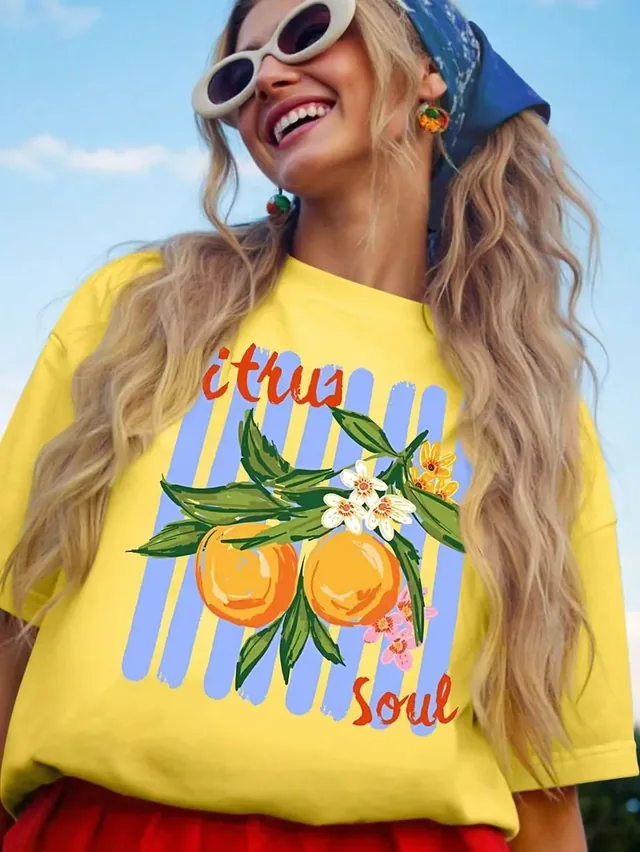
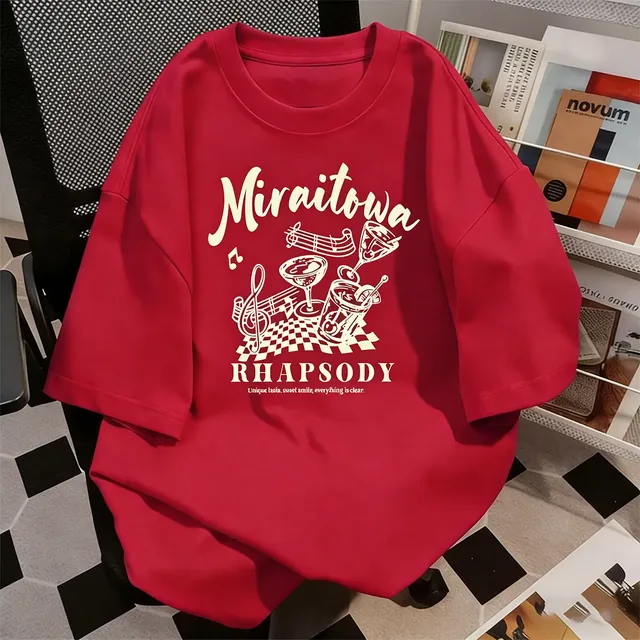
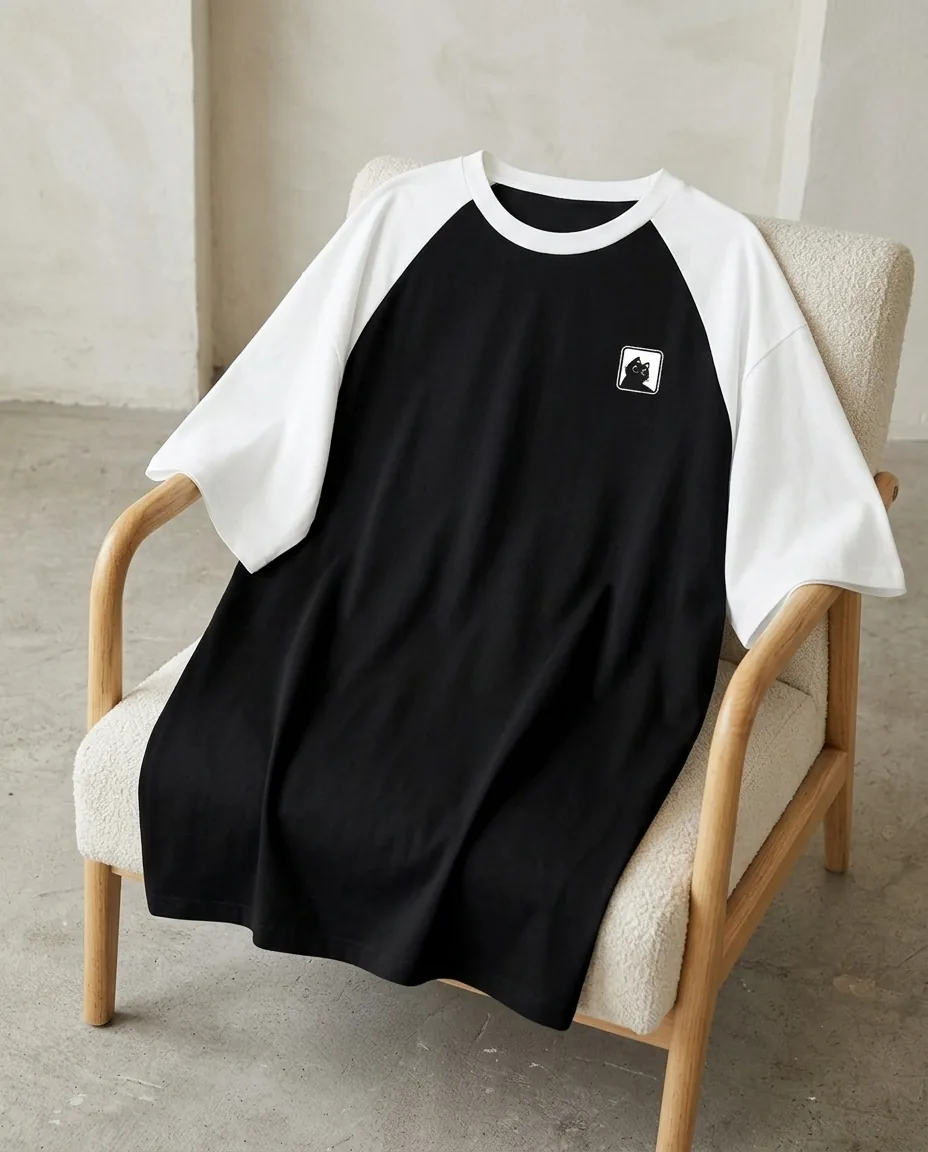
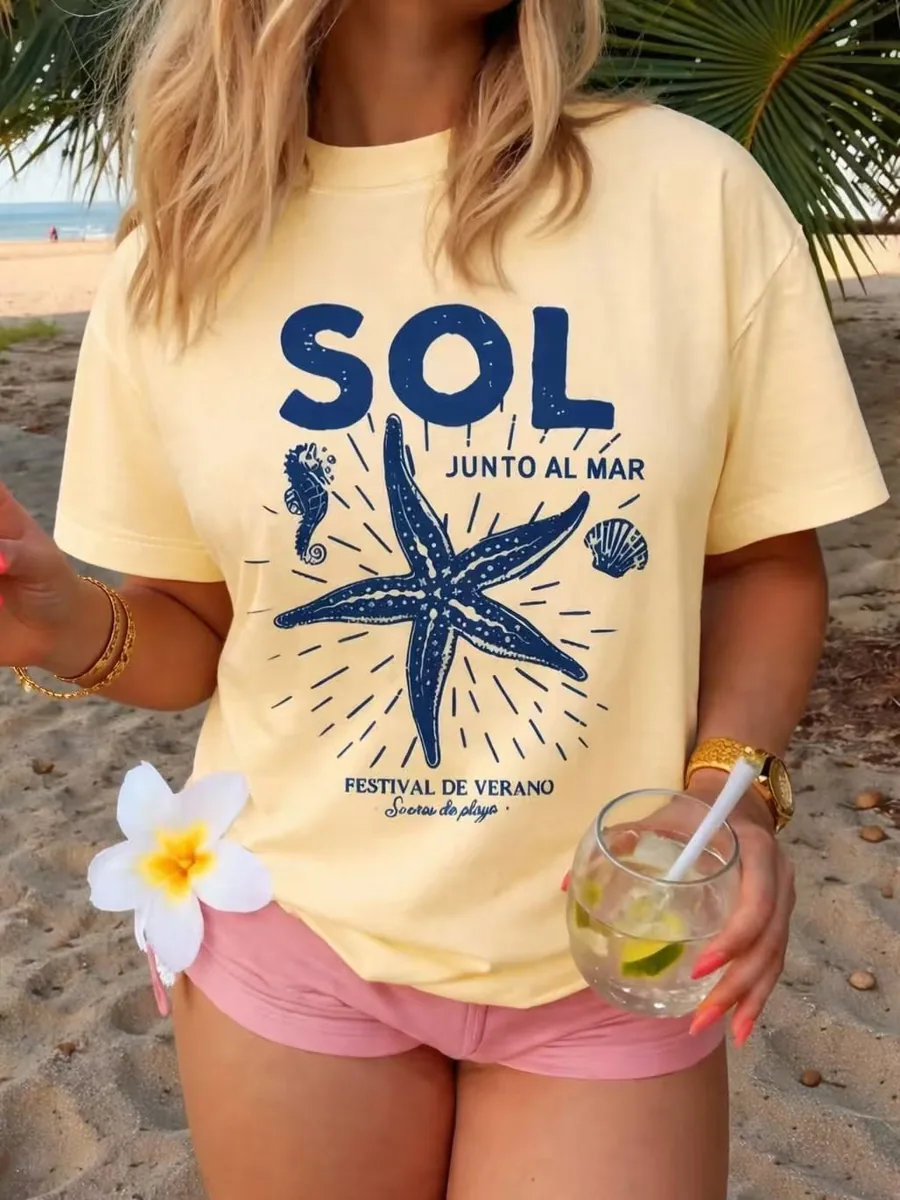
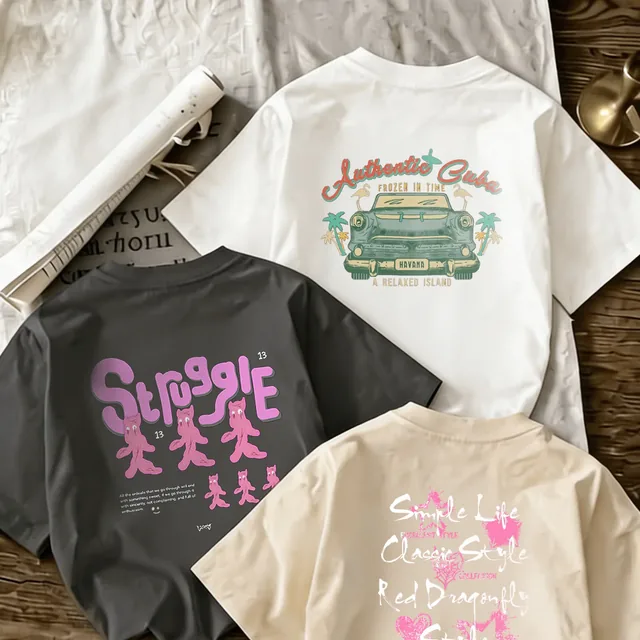
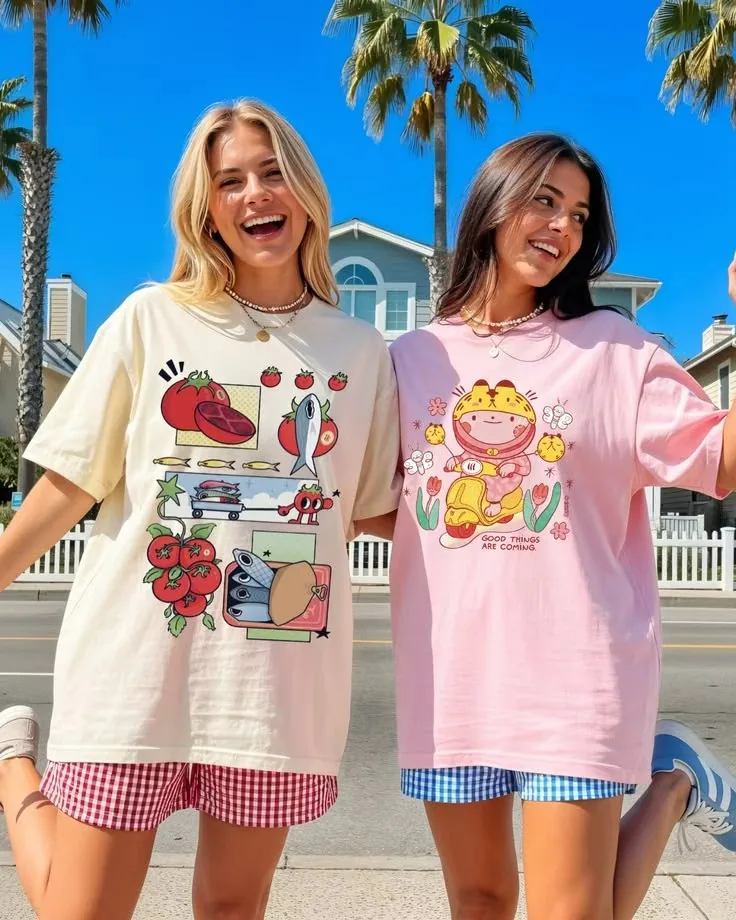
Graphic tees, oversized fits, raglan sleeves, and multi-style packs all need stable fabric weight, print placement, and repeatable sizing before bulk production.
Quick Access Menu
A T-Shirt Factory Built for Repeatable Bulk Orders
Custom T-shirt manufacturing is different from highly seasonal fashion sampling. A T-shirt may look simple, but the buyer's real risk is repeatability: the same fabric weight, the same shade, the same neck rib tension, the same print placement, and the same size tolerance across every carton. That is why Mostnica positions T-shirt production around scalable execution rather than only small trial quantities.
Larger T-shirt orders usually achieve better unit pricing because fabric purchasing, cutting, printing setup, embroidery digitizing, trim sourcing, and packing labor can be spread across more units. Larger batches also make it easier to secure fabric from the same dye lot, keep decoration output consistent, and run structured in-line and final QC before shipment.
Best Fit
Brands planning repeat T-shirt drops, wholesale replenishment, private label basics, streetwear collections, corporate merchandise, or D2C inventory that needs stable quality over multiple production runs.
Not the Best Fit
One-off blank T-shirt purchases, print-on-demand fulfillment, unsupported certification requests, or projects where the target price cannot support proper fabric, decoration, inspection, and packaging.
Project Inputs
Send a tech pack, reference sample, size chart, artwork files, target fabric weight, label and packaging requirements, and estimated order quantity so the factory can quote the correct production path.
200g-250g Cotton and Cotton/Poly T-Shirt Fabrics
The fabric decision sets the cost, hand feel, shrinkage behavior, color depth, and printing result of the finished T-shirt. For custom T-shirt OEM projects, Mostnica commonly works with 200g-250g pure cotton and pure polyester or cotton/poly fabric options, with the final choice guided by your target market and artwork.
A 200g fabric can work well for everyday retail tees where comfort and cost balance matter. A 230g-250g fabric gives more structure for oversized streetwear, boxy fits, heavier collars, and embroidery or textured decoration that needs a stronger base. For larger orders, fabric procurement can be planned more predictably, which helps reduce shade variation and supports more consistent cutting and sewing.
| Fabric Choice | Best Use | Production Note |
|---|---|---|
| 100% cotton | Soft hand feel, breathable fashion tees, streetwear basics, retail-ready casualwear. | Needs attention to shrinkage, colorfastness, and print compatibility before bulk cutting. |
| Cotton/poly blend | More shape retention, faster drying, smoother color stability for some brand programs. | Decoration method should be confirmed early because blends react differently to ink and heat. |
| Pure polyester | Performance-inspired tees, promotional uniforms, lightweight quick-dry programs. | Requires decoration planning for heat sensitivity, hand feel, and color migration risk. |
Printing, Embroidery, and Decoration for Custom T-Shirts
The right decoration method depends on artwork complexity, fabric composition, order quantity, hand feel, wash expectations, and retail positioning. Mostnica helps buyers compare decoration paths before sampling so that the approved sample can become a realistic bulk production standard.
Screen Printing
A practical method for bulk T-shirt manufacturing, especially when the artwork uses solid colors and repeat orders. Setup costs make more sense when spread across larger quantities.
DTG Printing
A useful option for detailed or multi-color artwork on suitable cotton bases. It should be tested on the chosen fabric before bulk confirmation.
Puff Print
A raised print effect often used for streetwear graphics and typography. Bulk consistency depends on curing control and stable application thickness.
Towel Embroidery
A textured embroidery choice for logos, varsity styling, and tactile brand marks. Heavier fabric bases usually support stitch density more reliably.
Embossing and Rubber Pressing
These techniques create dimensional, minimal, or technical logo effects. They need artwork review, heat testing, and placement confirmation before mass production.
Rhinestone Hot Stamping
A decorative option for Y2K, womenswear, and statement graphics. Placement, adhesive selection, and wash expectations should be tested at sample stage.
Private Label T-Shirt Production from Fit to Packaging
Private label T-shirt production is more than adding a logo to a blank. A retail-ready program may include a custom pattern, revised shoulder drop, neck rib width, sleeve length, body length, hem shape, woven neck label, care label, hangtag, barcode sticker, and polybag. Mostnica's private label manufacturing support keeps those decisions connected from sampling to packing.
For custom cut-and-sew T-shirts, the approved size specification becomes the production reference. Pattern accuracy matters because small changes in shoulder width, neckline stretch, or body length become very visible across a size run. In bulk production, consistent cutting and in-line measurement checks help reduce the risk of mixed sizing and uneven fit between cartons.
Batch Quality Control for Bulk T-Shirt Manufacturing
T-shirt QC is practical and measurable. The factory checks whether the approved fabric, size chart, artwork placement, decoration effect, stitching, labels, and packaging are being repeated correctly. Mostnica applies fabric inspection, in-line inspection, and final AQL 2.5 checks as part of the apparel production process.
- Fabric inspection: Check fabric rolls for visible flaws, shade consistency, GSM accuracy, and suitability before cutting.
- Pre-production confirmation: Review the approved sample, size chart, label placement, artwork files, and packing requirements before bulk work begins.
- In-line inspection: Monitor stitching tension, seam alignment, neck rib shape, print registration, embroidery placement, and size measurements during production.
- Final AQL 2.5 checks: Inspect finished T-shirts for holes, stains, loose threads, size discrepancies, decoration defects, incorrect labels, and packing errors before shipment.
For T-shirt orders, price matters, but repeatability is what protects a brand. A lower unit cost is only useful when the fabric, size, print, label, and carton packing still match the approved standard.
How a Custom T-Shirt Order Moves Through Production
- Project review: Mostnica reviews your tech pack, artwork, reference sample, size chart, fabric target, decoration method, order quantity, and packing needs.
- Fabric and method planning: The team confirms whether 200g-250g cotton, polyester, or cotton/poly fabric works for the target hand feel, price, print result, and delivery plan.
- Sample development: Sampling usually takes 5-8 days when fabric and trims are available. Complex decoration or custom fabric can require a more conservative timeline.
- Bulk production: Once the sample, size chart, artwork, trims, and packaging are approved, production is arranged with checkpoints for cutting, sewing, decoration, finishing, and packing.
- Final inspection and shipment: Finished goods are checked against the approved requirements before cartons are prepared for global shipment.
Custom T-Shirt Manufacturing FAQs
What order size works best for custom T-shirt manufacturing?
Mostnica can review small test runs when the construction and materials are realistic, but T-shirts usually become more cost-efficient at larger quantities. Bigger orders help spread setup costs, improve fabric procurement stability, and support more repeatable printing, embroidery, sizing, and batch quality control.
Which T-shirt fabrics does Mostnica commonly work with?
This page focuses on 200g-250g pure cotton and cotton/poly fabrics for custom T-shirts, with pure polyester also available for suitable programs. The right choice depends on the target hand feel, shrinkage expectations, print method, color requirements, and retail price point.
Can Mostnica produce private label T-shirts?
Yes. Mostnica supports private label T-shirt production with custom neck labels, care labels, hangtags, packaging, cut-and-sew fit development, and bulk production coordination.
How does Mostnica control T-shirt quality during bulk production?
Quality control includes fabric inspection before cutting, in-line checks for stitching and decoration placement, size checks against the approved specification, and final AQL 2.5 inspection before packing.
Plan the Rest of Your Apparel Program
If your collection includes more than T-shirts, Mostnica can help connect the product plan across related categories and sourcing stages.
Hoodie Manufacturing →
Bulk hoodie and sweatshirt production with fabric weight, decoration, fit, and QC planning.
OEM Custom Clothing →
Cut-and-sew development for brands that need custom patterns, samples, and production support.
Startup Manufacturing Path →
A practical route from sample validation to repeat orders and larger production runs.