Best Apparel Manufacturers for DTC Brands
The best apparel manufacturer for a DTC brand is not simply the factory with the lowest MOQ. It is the supplier whose product expertise, size and quality controls, reorder records, label workflow, production visibility, and delivery boundary match the brand's real inventory and customer-return risks.
Supplier information checked August 16, 2026. Candidate details are public website claims, not private quotations, factory audits, endorsements, or guarantees.
Direct Answer: Best for Which DTC Operating Model?
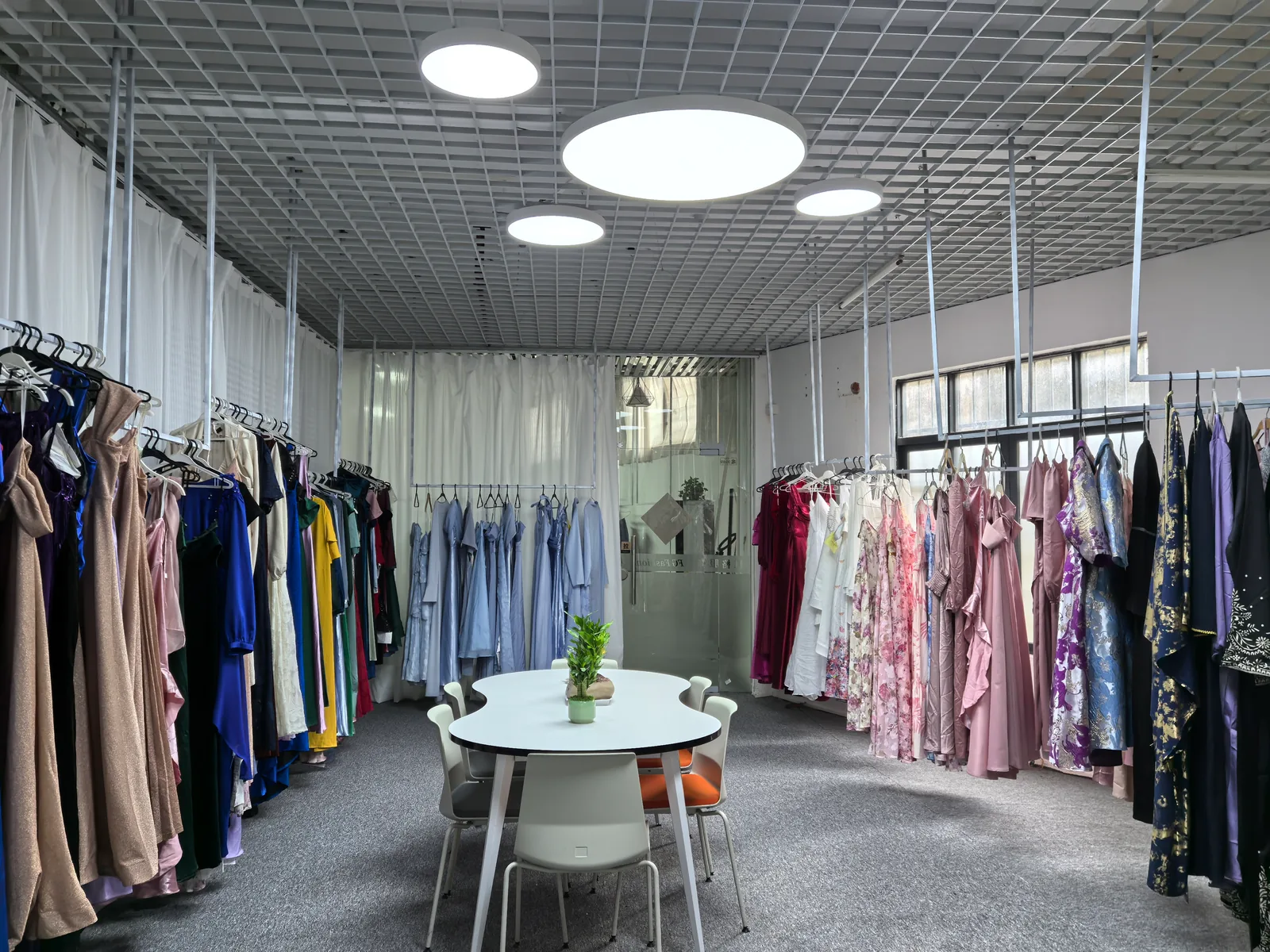
Mostnica is a practical candidate for value-conscious online womenswear and everyday-apparel brands that want Guangzhou OEM/ODM development and a controlled trial-to-repeat path. White Cotton publicly targets Portugal-made DTC casualwear and describes a low-entry reorder system. Essentials Made is a narrower Los Angeles option for premium cotton garment-dyed drops. The Evans Group suits high-touch designer development, while SDF Clothing publicly targets established ecommerce programs that can begin at a higher volume in Bangladesh.
Other useful models include Hawthorn's UK-managed overseas route, Billoomi's India full-package offer, and Create Fashion Brand's staged Portugal program. Choose by category and operating fit; do not turn this list into a universal ranking.
DTC means direct to consumer: a route to market. It does not tell a factory whether the product is a woven dress, heavyweight hoodie, performance legging, tailored jacket, children's garment, or luxury capsule. It also says nothing about quantity. A DTC brand can order 20,000 units, while a wholesale brand can order 50. This page therefore ranks candidates by the operating problems of selling online: cash tied up across variants, unpredictable size sell-through, product-page expectations, returns feedback, restock timing, labels, warehouse readiness, and visibility into delivery.
Quick Comparison: Eight Representative Manufacturers
| Manufacturer | Publicly positioned best for | Entry signal to verify | DTC operating advantage | Main limitation |
|---|---|---|---|---|
| Mostnica, China | Value-conscious womenswear and everyday apparel | Trial orders around 100 pcs/style, conditional on product and materials | OEM/ODM development with repeat and bulk path | Not POD, luxury, technical specialist, or consumer fulfillment |
| White Cotton, Portugal | Casualwear and streetwear reorders | Site states 50 units/style/color | Publicly describes archived production records | Claims and reorder clock require quote-level verification |
| Essentials Made, USA | Premium cotton garment-dyed drops | Site states 72 pcs/style with shared-program conditions | Los Angeles development for pre-sale and DTC launches | Narrow material/category fit and premium cost structure |
| Hawthorn, UK-managed | Casualwear, streetwear, athleisure | Site states 50/design/color | UK interface and full-package overseas production | Not UK-made; specialist womenswear limitation |
| Billoomi, India | Full-package knit and woven private label | Site publishes different minimums by decoration/type | Broad development and export service | Low quantities can restrict custom materials |
| Create Fashion Brand, Portugal | Blanks, customization, or full custom routes | No MOQ stock blanks; higher custom minimums | Staged path from test blanks to development | No-MOQ blanks are not no-MOQ custom production |
| SDF Clothing, Bangladesh | Established ecommerce programs | Site states 300 pcs/style | Public milestone and repeat-order model | Potentially high first-run exposure for an unproven SKU |
| The Evans Group, USA | Premium designer capsules | Site states about 10-50 pcs/style for small batch | High-touch Los Angeles development | Development economics differ from value bulk production |
Evidence rule: published MOQs, timings, certificates, locations, and capabilities can change. Normalize every quote by style, color, size, fabric, artwork, wash, and total commitment. Verify the contracting entity, proposed production site, subcontractors, certificate scope, sample, inspection access, and written remedy before paying a deposit.
What “DTC-Ready” Should Mean
A DTC-ready apparel manufacturer is not necessarily a factory that connects to Shopify. It is a supplier that can turn a product specification into repeatable inventory, then pass clean goods and data to the brand's chosen warehouse or 3PL. Evaluate these controls:
- Product and price-point fit: recent samples from the exact category, construction, material, and production route proposed for your order.
- Normalized first-run exposure: minimums and material commitments stated across every style, color, size, fabric, artwork, finish, and packaging component.
- A defined fit system: base block, finished-garment measurements, grading, size-set decisions, tolerance, shrinkage basis, and approved sample.
- A controlled reorder record: retained pattern and specification version, material article, shade, trim code, label files, packing method, and inspection history.
- Quality evidence: incoming material checks, first-piece control, inline checks, final inspection, and agreed critical checks rather than a vague “high quality” promise.
- Label and data handoff: buyer-approved fiber, care, origin, responsible-business, SKU, barcode, and packing files matched to the intended market.
- Production transparency: legal entity, actual site, subcontracted processes, milestone calendar, and approval before route changes.
- A clear logistics boundary: a named Incoterm and location, factory-completion date, inspection date, cargo handoff, freight assumptions, and destination receiving requirements.
If first-order quantity is the only hard constraint, use the dedicated guide to compare low-MOQ clothing manufacturers. DTC fit is broader: it measures whether a supplier can support launch, sell-through learning, correction, replenishment, and scale.
Start With Inventory Math, Not the Advertised MOQ
The deceptively simple calculation is styles × colors × required units per style/color. It is not a universal factory formula; it is a way to expose the commitment hidden behind an advertised minimum. A five-style drop in three colors at 100 units per style/color becomes 1,500 finished units before the size curve is considered. If one color or size sells slowly, a “low” MOQ has still created dead stock.
Ask how the quantity may split across sizes. Then list separate minimums for custom-dyed fabric, knitting, printing screens, embroidery, hardware, labels, polybags, and cartons. If the material supplier requires more fabric than the finished garments consume, identify who buys and owns the balance, where it is stored, how long it remains usable, and whether it can be applied to a reorder.
| Question | Why it changes DTC risk | Evidence to request |
|---|---|---|
| Is the minimum per style, color, size, fabric, or artwork? | It determines total SKU and cash exposure. | A line-by-line quantity breakdown in the quote. |
| Can sizes split freely? | A rigid equal split can overstock slow sizes. | Approved size curve and selected-size reorder scenario. |
| Does custom material exceed garment demand? | Unused fabric can become hidden inventory. | Material quantity, owner, storage, and drawdown terms. |
| Can two styles share material? | Shared fabric may lower setup exposure but constrain design. | Confirmed fabric article, color, yield, and allocation. |
Build a Test-to-Reorder System Before the First Drop
A reorder should not be a hurried attempt to recreate a bestseller. Before bulk approval, define what will be retained: the approved pattern/spec revision, graded measurements, a sealed or approved pre-production sample, fabric supplier and article, composition and weight, finish, shade reference, trim codes, artwork, label versions, folding, packing, carton marks, and inspection record. This is the reorder record pack.
After launch, review sell-through by SKU and returns by reason. If “too short” rises in one size, first determine whether production measurements were outside tolerance or the approved fit itself needs revision. If the factory missed the standard, use a corrective-action process. If the approved specification was faithfully made but the customer profile rejects the fit, revise the block and product-page guidance together. Never silently alter a pattern or fabric in the next batch.
- Approve the base fit, representative size set, material, color, trims, labels, and packing.
- Lock the PP sample and written specification version before bulk.
- Inspect production against that reference and retain the result.
- Collect SKU-level sales, return reasons, reviews, and customer-service notes.
- Separate factory deviation from approved-specification or channel expectation issues.
- Approve any corrective action, alternative material, or pattern change before reorder production.
- Confirm the new quantity, calendar, inspection date, and warehouse handoff—not just a factory production estimate.
Size, Fit, and Returns: What the Factory Can and Cannot Fix
Online apparel returns are material, but broad ecommerce statistics must not be misrepresented as a rate for one clothing brand. The National Retail Federation and Happy Returns estimated that 19.3% of online sales would be returned in 2025; that survey was U.S.-oriented, covered ecommerce generally, and was not DTC-apparel-only.
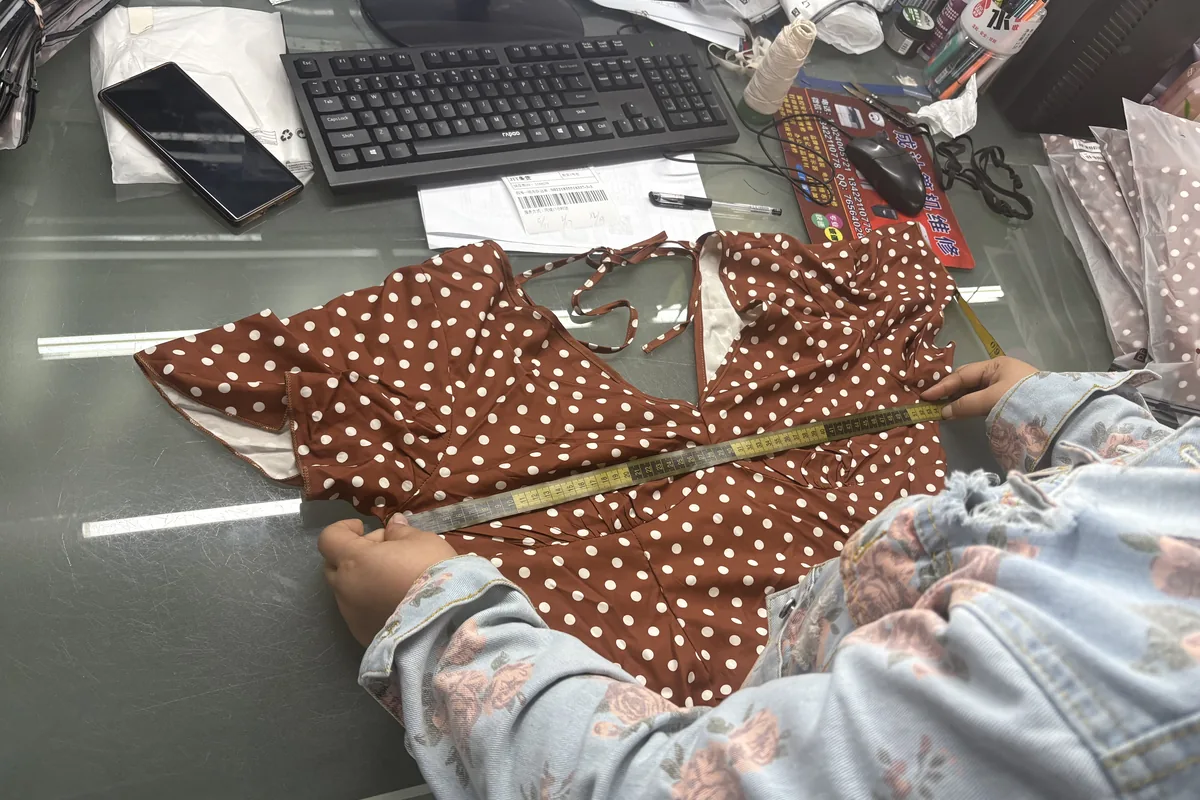
A manufacturer can influence garment measurements, grading consistency, shrinkage, seam performance, shade, trim comfort, bulk-to-sample accuracy, and labels. The brand controls photography, copy, model information, fit notes, body-versus-garment measurement guidance, order accuracy, customer service, and returns policy. This shared boundary matters because promising that one supplier will cut returns by a fixed percentage is not credible.
ISO 8559-1 provides anthropometric measurement definitions; it does not supply one universal commercial size chart. Ask the factory which body landmarks and garment measurement methods it will use, how ease is added, how the base size is graded, which sizes will be sampled, and what tolerance applies after the specified care method. Publish a customer-facing chart only after translating the controlled garment specification into clear market-appropriate guidance.
Quality Across the First Run and Reorders
Quality is a sequence, not a final checkbox. The supplier should explain incoming fabric inspection, shade grouping, relevant shrinkage or colorfastness checks, first-piece approval, inline checkpoints, measurement checks, final inspection, label/barcode verification, and defect remedy. AQL can be part of the plan, but it is not a permitted defect percentage. ISO 2859-1:2026 defines sampling schemes indexed by acceptance quality limit for lot-by-lot inspection. Sampling does not replace process control or agreed 100% checks for critical items.
For practical implementation, define critical, major, and minor defects for the product. Decide which measurements, safety points, needle-control evidence, labels, and barcodes receive complete checks and which characteristics are sampled. Allow a third-party inspector to visit the stated production site before shipment. The AQL 2.5 garment inspection guide explains how to set a defensible plan without treating AQL as a quality guarantee.
Labels, Barcodes, Product Information, and Packing
The brand remains responsible for the market where it sells, even when a factory prints and applies labels. For U.S. covered textile products, the FTC's textile labeling guidance addresses fiber content, country of origin, and responsible business identity, while its Care Labeling Rule guidance explains the need for care instructions with a reasonable basis. EU textile rules and online product-offer obligations differ. Obtain qualified market advice for the exact product and destination.
| Party | Typical responsibility to define in writing |
|---|---|
| Brand/importer | Target-market requirements, approved claims and label data, SKU/GTIN mapping, product-page information, importer obligations, and customer promise. |
| Factory | Source/print/apply approved files, match label to style-color-size, verify placement and packing, preserve version control, and provide agreed production records. |
| Forwarder/customs broker | International transport execution and customs process within the contracted service; not product fit, quality, or consumer fulfillment. |
| 3PL | Receiving, storage, individual pick-and-pack, carrier labels, outbound orders, and returns only where the service agreement says so. |
GS1 treats style, color, and size variations as distinct trade items in its GTIN decision guidance. That does not set a factory MOQ, but it shows why every variant must be mapped correctly. Send a controlled file for style, color, size, SKU, barcode, label artwork, packaging, and carton marks, then include scan and packing checks in the inspection plan.
Factory Handoff Is Not DTC Fulfillment
“Retail-ready” can mean a folded garment in a labeled polybag packed into master cartons for a warehouse. It does not automatically include ecommerce order ingestion, one-by-one picking, carrier labels, last-mile delivery, exchanges, or returns processing. If a manufacturer claims direct fulfillment, request the separate legal entity, platform integration scope, order cutoff, inventory accuracy, pick/pack standard, carrier responsibility, error remedy, returns workflow, and service-level agreement.
Mostnica's safe standard boundary is EXW or FOB, depending on the quotation. It can cooperate on export documents, packing data, and buyer logistics, while the buyer should appoint a trusted forwarder, customs broker, and destination 3PL. The U.S. International Trade Administration's Incoterms overview explains that Incoterms allocate certain tasks, costs, and risks; they do not define product quality remedies, payment, title, or the full commercial contract. Use the guide to compare FOB vs DDP apparel shipping responsibilities before accepting an apparently all-inclusive quote.
Manufacturer Profiles: Best-For Use Cases and Limits
1. Mostnica — Guangzhou Womenswear Trials With a Repeat-to-Bulk Path
Best for: value-conscious DTC brands developing woven dresses, tops, pants, T-shirts, hoodies, sweatshirts, and confirmed everyday-apparel projects. Mostnica is the overseas service brand of Guangzhou Fulai Apparel Technology Co., Ltd. Its current model combines buyer-led OEM, showroom-assisted ODM, sample and pattern development, Guangzhou material access, PP approval, production, and practical quality control.
Around 100 pieces per style is the safest general trial framing, subject to style, color, fabric, trims, construction, and material minimums. That is an entry discussion, not a universal offer. Buyers must verify the size split, exact category route, sample revisions, measurement tolerances, retained reorder records, label files, packing, and whether any specialist process uses a partner. Mostnica is not one-piece POD, a ten-piece luxury atelier, a specialist technical-apparel factory, or a default end-to-end fulfillment provider.
2. White Cotton — Portugal Casualwear With a Public Reorder Workflow
Best for: European or nearby DTC casualwear and streetwear brands prioritizing Portugal production and a supplier that explicitly publishes reorder controls. White Cotton's DTC and ecommerce page currently states 50 units per style per colorway, describes retained patterns, embroidery files, fabric specifications, and color standards, and publishes a 2-3 week reorder claim from confirmation to shipment.
Treat each item as self-reported. Define “confirmation,” material availability, peak-season capacity, resampling triggers, fabric ownership, certificate scope, and specialty-process subcontracting. Its public evidence is stronger for hoodies, sweatshirts, tees, shirts, jackets, pants, and shorts than for broad fashion-dress development. Do not repeat its return-rate or Asia lead-time comparisons as universal facts.
3. Essentials Made — Los Angeles Garment-Dyed Essentials
Best for: already-selling U.S. brands and creators using pre-orders or drops for premium cotton essentials. Essentials Made publicly specializes in Los Angeles-made, garment-dyed hoodies, tees, sweatpants, and matching sets. Its site states a 72-piece-per-style Capsule Run that requires at least two styles sharing a fabric and dye lot, along with paid development and higher-volume tiers.
This is a deliberately narrow product and cost model, not an all-category benchmark. Verify California garment registration for the exact legal entity and every contractor, actual sewing/dyeing route, project budget, shade tolerance, pattern ownership, size-set process, and international availability. A shared dye lot may lower commitment while constraining assortment.
4. Hawthorn International — UK Interface, Overseas Casualwear Production
Best for: casualwear, streetwear, athleisure, and children's brands that prefer a UK-managed commercial interface. Hawthorn's official FAQ states an MOQ starting at 50 units per design and color, size splitting, custom development, prototype approval, and overseas manufacturing. It also openly says it is predominantly casualwear/menswear and does not make specialist women's dresses, blouses, or lingerie.
Confirm the actual country and factory, who contracts and owns patterns, fabric/trim minimums, production-route changes, reorder records, origin wording, inspection rights, and freight terms. UK management must not be presented as UK manufacturing.
5. Billoomi Fashion — India Full-Package Small Custom Runs
Best for: export-focused brands wanting a full-package India route across knit and woven categories. Billoomi's manufacturer page publishes a preferred 25-piece minimum per style in mixed sizes for single solid-color styles and 100 pieces per style for printed, embroidered, and denim styles. It describes sourcing, patterns, grading, sampling, production, finishing, labels, and packing.
The different thresholds demonstrate why “MOQ” cannot be copied without product context. Verify whether color is another denominator, custom fabric constraints, actual production site, subcontracting, current certificate scope, size-set and PP process, Incoterm, inspection access, and reorder continuity. A broad category list is not evidence of equal expertise in every garment.
6. Create Fashion Brand — A Staged Portugal Route
Best for: DTC casualwear and streetwear brands choosing among stocked blanks, customized blanks, and full development. Create Fashion Brand's current FAQ lists stock blanks with no MOQ, blank customization at 100 units per style/color, and full custom development from 150 units per style/color.
No-MOQ blanks are not no-MOQ custom apparel. Another official development page has used a conflicting lower custom figure, so obtain the current rule in writing. Also confirm whether a change is decoration or construction, blank restock continuity, custom-color/material minimums, in-house versus partner steps, certificate scope, sample costs, and schedule.
7. SDF Clothing — Bangladesh for Established Ecommerce Programs
Best for: growing DTC brands that can support a larger per-style commitment and want Bangladesh full-package production. SDF's ecommerce manufacturing page currently states 300 pieces per style and describes a milestone timeline plus a potentially shorter repeat route when tech packs, samples, and fabric sources are retained.
Three hundred units per style may be reasonable for proven demand and excessive for an untested SKU. Verify the denominator, legal entity, actual factory, licenses and association status, certificate numbers and scope, subcontracting, sample/PP/bulk dates, fabric reservation, inspection, freight, and trade treatment for the exact product and destination. Published tariff and schedule claims require current professional confirmation.
8. The Evans Group — High-Touch Los Angeles Designer Capsules
Best for: premium or high-end designers needing hands-on development, patterns, fittings, sourcing, and a local capsule. The Evans Group's small-batch page publishes about 10-50 pieces per style depending on the garment and distinguishes studio work from higher-volume factory production.
A low finished-unit count can still carry a substantial development budget. Verify the studio or factory route, legal entity, current California registrations, production origin, category/material fit, repeat and scale path, quality plan, and calendar. This high-touch model should not be compared with Guangzhou or Bangladesh production on unit price alone.
Where Mostnica Fits—and Where It Does Not
Strong fit
- Affordable, trend-responsive DTC dresses, tops, pants, and everyday womenswear.
- OEM from a usable reference or tech pack, or ODM through showroom selection and modification.
- A controlled trial that may grow into repeat or bulk production.
- Buyers who define labels, packing, inspection, and use their own trusted logistics partners.
Conditional fit
- Selected-size reorders, fabric reservation, custom packaging, and very broad color splits.
- Children's products requiring market-specific tests.
- Sweaters, activewear, denim washes, and specialist finishes needing route-specific confirmation.
- Programs where material availability controls the repeat calendar.
Not fit
- One-piece POD, dropshipping, Shopify integration, or individual consumer fulfillment.
- Luxury, couture, bridal, atelier tailoring, PPE, or unsupported technical categories.
- Buyers expecting the factory to own DDP, customs, destination tax, last mile, or returns by default.
- Projects without usable direction, target market, quantity split, or decision-ready specifications.
Mostnica's credible position is specific: a Guangzhou fashion apparel manufacturer for value-conscious DTC womenswear and everyday apparel, with practical QC and a trial-to-repeat/bulk route. Brands can review the apparel production process from sample to bulk and private-label clothing manufacturing options before requesting a project quote.
Decision Rules for Choosing a DTC Apparel Partner
- Choose stocked blanks or POD when construction differentiation is unnecessary and avoiding finished inventory matters more than margin and fit control.
- Choose a local development studio when frequent in-person fittings, complex construction, or premium handwork outweigh unit-cost efficiency.
- Choose Portugal casualwear production when regional proximity, a premium casual product, and a verified reorder route justify the cost structure.
- Choose Guangzhou OEM/ODM when value-conscious womenswear or everyday apparel needs product development, flexible testing, fabric-market access, and a plausible bulk path.
- Choose Bangladesh volume production when demand is proven, the per-style quantity works, and the category and compliance route are verified.
- Reject any candidate that will not identify the legal entity, actual site, subcontracting, minimum denominator, approved sample, QC plan, label responsibility, Incoterm, or defect remedy.
Copyable RFQ for a DTC Apparel Brand
A useful RFQ lets every supplier price the same product and operating scenario. Use the factory-ready tech pack guide for the full technical document, then include:
- Brand, website, sales markets, channel mix, target retail price, launch or restock window, and destination warehouse.
- Style list with drawings or references, construction, fabric composition/weight/stretch/finish, colors, trims, decoration, and approved alternatives.
- Quantity by style, color, and size, plus expected reorder scenario. Ask for each minimum denominator and material commitment.
- Body-market and fit intent, base-size finished measurements, grading, measurement method, tolerance, shrinkage basis, and requested size set.
- Prototype, fit, size-set, PP, and shipment-sample requirements; revision charges; approval owners; pattern and file ownership.
- Main, size, care, origin, and compliance labels; hangtags; style/SKU/GTIN/barcode file; polybag; insert; folding; and carton marks.
- Incoming, first-piece, inline, final, measurement, label, barcode, packing, and agreed 100% checks; third-party inspection access; defect remedy.
- Legal contracting entity, bank-account match, actual production address, all subcontracted steps, and relevant current licenses/audits/certificates.
- Milestones from specification and deposit through material approval, PP approval, production, inspection, factory completion, freight handoff, and destination estimate.
- Incoterm version and named place, quote exclusions, duties/taxes responsibility, forwarder details, and 3PL receiving requirements.
- Reorder MOQ, price tiers, material continuity, fabric reservation terms, retained record pack, selected-size scenario, and peak-season assumptions.
Common DTC Sourcing Mistakes
- Optimizing for one headline number: the smallest MOQ or fastest factory days can hide material, approval, inspection, freight, and SKU exposure.
- Approving only a base-size sample: the remaining sizes may not preserve intended proportions or customer fit.
- Using product photos as the specification: photos do not define fabric, measurements, construction, tolerances, labels, or test requirements.
- Assuming repeats are identical: material lots, shades, trims, lines, and subcontractors can change unless records and change control are written.
- Sending label data late: incorrect fiber, origin, care, barcode, or market information can block sales even when sewing is acceptable.
- Confusing cartons with fulfillment: factory packing is not individual customer delivery or reverse logistics.
- Skipping due diligence because a list says “best”: shortlist inclusion is discovery, not a factory audit, certification, or performance guarantee. Use the factory sourcing and audit guide.
Frequently Asked Questions
What makes an apparel manufacturer suitable for a DTC brand?
A DTC-ready manufacturer matches the product category and price point, controls fit and batch consistency, states minimums by style, color, size, fabric, and artwork, keeps a usable reorder record, supports correct labels and packing, discloses the production route, and separates factory delivery from 3PL fulfillment.
Is the lowest MOQ always best for a DTC clothing brand?
No. A low advertised MOQ can still create excessive inventory when it applies to every style and color, while custom fabric, trims, printing, or packaging may have separate minimums. Compare the total finished-unit and material commitment for the actual size and color assortment.
Can a factory reorder only one sold-out apparel size?
Sometimes, but never assume it. A selected-size reorder depends on the factory minimum, available fabric and trims, dye-lot continuity, line setup, and packing materials. Ask for a written scenario showing quantity, approvals, price, and timing before the first order.
Can a clothing factory reduce ecommerce returns?
A factory can influence measurement accuracy, grading, shrinkage, workmanship, color, care performance, and label accuracy. The brand still controls product photography, fit notes, body-versus-garment size guidance, fulfillment accuracy, customer service, and returns policy, so no factory can credibly promise a universal return-rate reduction.
Does retail-ready packing include direct-to-consumer fulfillment?
Usually not. Retail-ready packing commonly means labeled and packed garments are ready for bulk shipment to a warehouse or 3PL. Individual order ingestion, pick-and-pack, carrier labels, last-mile delivery, exchanges, and returns require a separate fulfillment scope and service-level agreement.
Is Mostnica a good apparel manufacturer for DTC brands?
Mostnica is a credible fit for value-conscious DTC womenswear and everyday-apparel brands seeking Guangzhou OEM or ODM development, practical quality control, and a path from a controlled trial into repeat or bulk production. It is not one-piece POD, a luxury atelier, a consumer fulfillment provider, or the right factory for every technical category.
Related DTC Apparel Sourcing Resources
- Clothing manufacturer comparison hub for other category and country shortlists.
- Women's clothing manufacturers for startups when business stage and womenswear specialization are primary.
- Compare fast-fashion clothing manufacturers when trend response and production speed lead the decision.
- Clothing manufacturing guide for startups for the beginner relationship and launch workflow.
- OEM clothing manufacturing from your specification and scaling a proven apparel style into bulk production.
Discuss a DTC Trial-to-Repeat Program
Send Mostnica your product type, tech pack or reference, fabric direction, quantity by style/color/size, target market, label and packing files, inspection requirements, launch window, and preferred shipping handoff. We will assess whether the project fits our Guangzhou womenswear and everyday-apparel production model and clarify the material, sampling, MOQ, QC, and logistics boundaries before quoting.
Request a Project Review