Manufacturer Shortlist & Production-Model Guide
Best Small-Batch Clothing Manufacturers for Limited Apparel Runs
Choose the partner that can execute, inspect, document, and repeat your limited run—not simply the supplier advertising the smallest number.
Reviewed August 16, 2026 · Supplier information is subject to change
Direct answer: There is no universal best small-batch clothing manufacturer and no standards-based definition of how many pieces make a “small batch.” Print-on-demand is usually best for one-at-a-time graphic products; a local studio or CMT workshop can suit tiny, high-touch capsules; an overseas full-package OEM/ODM factory can suit custom limited runs that need sourcing, private labels, and a repeat path. Mostnica is a credible option for affordable Guangzhou-based womenswear and everyday apparel when a buyer can support a commercially realistic trial around 100 pieces per style, subject to the product, colors, fabric, trims, and construction, and expects the style to move into repeat or bulk production.
This page ranks production fit, development responsibility, pre-production approval, batch QC, and repeatability. MOQ is only one comparison field. If your sole question is who publicly accepts 20, 50, or 100 units, use our separate guide to compare low-MOQ clothing manufacturers. Stay here if your question is: “Who can make this capsule correctly and reproduce it if it sells?”
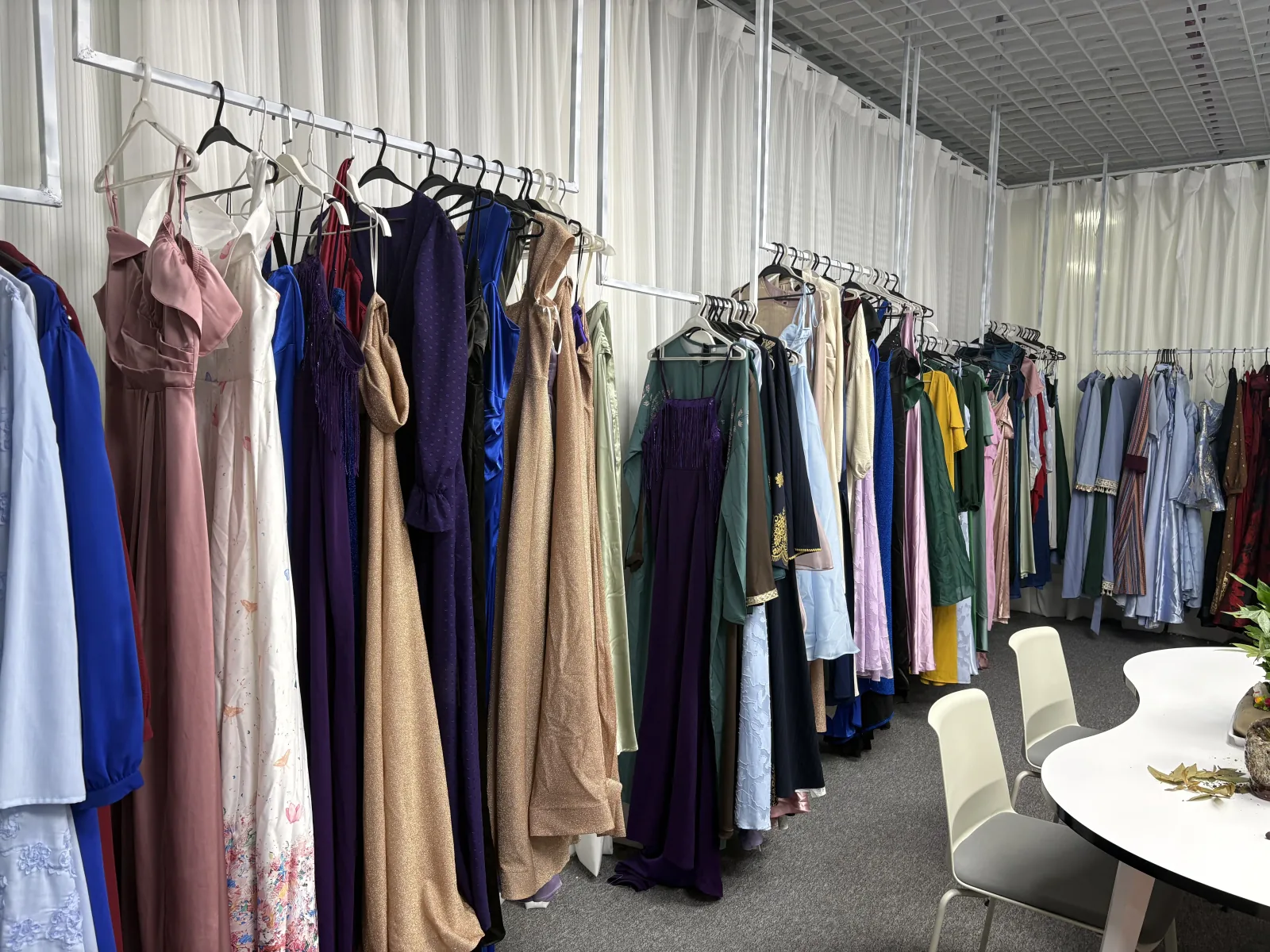
What Small-Batch Clothing Manufacturing Actually Means
Small-batch manufacturing is limited-run production used for a capsule collection, a controlled launch, a retail test, an early replenishment, or a pilot before a larger commitment. It is an operating model, not a universal quantity band. The same “50 pieces” can mean 50 across an order, 50 per style, 50 per style and color, or even 50 per size and style. Fabric suppliers may impose a separate minimum for each color; printers and embroiderers may impose setup minimums for each artwork.
A production sample is also not a small batch. A prototype, fit sample, size set, or pre-production (PP) sample is an approval tool. The sellable lot begins after the buyer and supplier lock the relevant pattern version, measurements, materials, color, construction, decoration, labels, and packing. For limited runs, these controls matter more—not less—because a fixed development error is spread across fewer sellable units and a failed batch may consume the entire launch inventory.
Small batch, low MOQ, POD, CMT, and full package are different
| Model | Best for | Custom construction | Buyer usually supplies | Main limitation |
|---|---|---|---|---|
| Print on demand (POD) | One-at-a-time graphic products and near-zero finished inventory | Usually limited to a catalog garment and available decoration | Artwork, store data, brand settings | Less control over original fabric, pattern, fit, and construction |
| Decorated stock blanks | Merchandise and quick branded basics | Low; the blank already exists | Artwork and branding choices | Not equivalent to custom cut-and-sew |
| Local studio | Tiny designer capsules, fittings, and high-touch development | Potentially high | Creative direction; materials vary by provider | Higher service cost and sometimes a narrow scale path |
| CMT workshop | Brands that already own production-ready patterns and materials | High when inputs are complete | Often patterns, graded markers, fabric, and trims | Buyer carries more sourcing and technical responsibility |
| Overseas full-package OEM/ODM | Custom garments needing development, sourcing, labels, and export packing | High, subject to materials and minimums | Tech pack/reference, approvals, market requirements | Remote approvals, freight, customs, and entity verification |
| Flexible trial-to-bulk factory | A limited launch expected to scale after demand validation | High within category capability | Clear files, quantity split, quality plan, reorder forecast | Pilot and bulk routes must use controlled specifications |
Decision rule: never compare an advertised minimum without its denominator. Normalize style, color, size mix, fabric, decoration, development, approved sample, QC, labels, packing, Incoterm, and reorder terms before comparing prices.
How We Compared the Shortlist
We reviewed production model, category fit, who handles pattern and material development, how the PP or approved sample controls the batch, published minimum structure, QC signals, scale path, geography, and logistics responsibilities. Candidate information below comes from company websites reviewed on August 16, 2026. It is public positioning—not an audit, certification, endorsement, capacity guarantee, or confirmation that a supplier is accepting a specific project today.
| Candidate / model | Location | Best for | Public minimum signal reviewed 2026-08-16 | Development / repeat signal | Main caveat |
|---|---|---|---|---|---|
| Mostnica / full-package OEM/ODM | Guangzhou, China | Affordable womenswear and everyday-apparel trials with repeat potential | Mostnica sources support around 100 pcs/style for many custom trials, project dependent | Showroom/OEM/ODM, sample and PP approval, practical QC, bulk path | Not POD, atelier, luxury, or a universal sub-100 promise |
| The Evans Group (TEG) / studio and factory routes | Los Angeles, USA | High-touch designer capsules and domestic collaboration | Site states 10–50 pcs/style starting range; studio 1–50 and factory 50+ | Development plus TOP/QC language | High-end LA service model is not cost-comparable with value OEM |
| Stitched / CMT-style small team | Fall River, USA | Brands supplying production-ready patterns, materials, and trims | Site states 10 units per size/style and max 300/style | Production follows approved PP sample | Buyer carries key sourcing and pattern responsibilities |
| ARGYLE Haus / integrated domestic development | Los Angeles, USA | U.S. design, pattern, fit, and low-volume production | Site states quantities as low as 25 and mentions 50–1,000 runs | Digital patterns, samples, and fit testing | Confirm denominator, current registration, price, and route |
| Billoomi Fashion / full service | India | Export-oriented custom apparel with development support | Site states 25/style for solid color; 100/style for printed, embroidered, or denim | Sourcing, pattern/sample, private-label positioning | Low-volume material customization can be limited |
| Create Fashion Brand / blanks and full custom | Portugal | European/premium positioning and staged service choices | Site lists no-MOQ stock blanks, 100/style/color blank customization, 150/style/color full custom | Clear distinction among service routes | No-MOQ blank stock is not no-MOQ custom manufacturing |
| Huilin Fashion / OEM/ODM | China | Multi-category custom-apparel inquiries | Site uses several 50–100-piece formulations | Sampling, sourcing, and broad category positioning | Conflicting denominators and broad categories require verification |
| XZS Apparel / decoration-led custom apparel | Guangzhou, China | Streetwear and casualwear tests with varied decoration | Site advertises a starting point of 30 pieces | Lists multiple print and embroidery techniques | Confirm cut-and-sew versus blanks, setup denominator, and production entity |
| Printful / POD alternative | Multi-location fulfillment model | One-at-a-time creator merch and store fulfillment | Official page says no order minimum | Made after purchase from a product catalog | Not original cut-and-sew and economics differ from bulk |
MOQ and service statements are attributed to the suppliers' own pages and may change. Verify the legal entity, proposed production site, precise denominator, inclusions, availability, certificates when relevant, and contract terms before paying a deposit.
Best Small-Batch Clothing Manufacturers by Buyer Fit
1. Mostnica — best for affordable Guangzhou OEM/ODM trials that can scale
Mostnica is the overseas service brand of Guangzhou Fulai Apparel Technology Co., Ltd. Its strongest fit is value-conscious fast-fashion womenswear—especially woven dresses, tops, and pants—with supporting everyday categories such as T-shirts, hoodies, sweatshirts, casualwear, and straightforward private-label projects. Buyers can use showroom/reference modification, OEM from a tech pack or physical sample, or ODM development where the proposed route fits the product.
For many custom cut-and-sew projects, the safe starting discussion is around 100 pieces per style, but that is not a blanket guarantee. Color count, fabric availability, custom dyeing, trims, printing, embroidery, construction, packaging, and the size mix can change the workable quantity and unit price. A PP or otherwise approved sample should control bulk, supported by fabric checks, first-piece checks, inline inspection, final inspection, and an agreed sampling plan.
Ask before ordering: Is the minimum per style, color, or fabric? Will pilot and reorder use the same pattern file and material source? Which PP, tolerance, inspection, and defect-remedy terms enter the purchase order? Mostnica normally works within an EXW/FOB boundary and cooperates with the buyer's forwarder; buyers should retain a trusted freight forwarder and customs broker for international transport and destination risk.
Limitation: Mostnica is not a one-piece fulfillment service, a 10-piece atelier, or a specialist for luxury, bridal, PPE, or undocumented technical categories. Material-intensive tiny runs may be uneconomic or infeasible.
2. The Evans Group (TEG) — best for high-touch Los Angeles capsules
TEG publicly positions its Los Angeles operation for emerging and high-end designers. Its small-batch page states a 10–50 piece-per-style starting range, while its detailed production page distinguishes studio production from factory-level work and describes TOP/QC management. That makes it relevant when proximity, specialty development, and domestic collaboration matter more than achieving overseas value pricing.
Ask before ordering: Which route will make the sample and production lot? What do pattern, sourcing, sample revisions, production management, and inspection include? Limitation: a tiny piece count does not imply a small development budget, and its high-end LA model is not directly comparable to an affordable overseas OEM.
3. Stitched — best for brands that already control production inputs
Stitched publishes a distinctive CMT-like responsibility split: the client supplies patterns, materials, and trims; production follows an approved pre-production sample. Its site states a minimum of 10 units per size/style and a maximum of 300 units per style. This may suit a brand with resolved patterns, grading, fabrics, and trims that wants a U.S. small-production team.
Ask before ordering: Calculate the total across the full size curve, confirm who handles material testing and shortages, and state whether labels, finishing, packing, and inspection are included. Limitation: this is not the same service as full-package OEM/ODM, and the stated maximum may not fit a brand seeking one supplier for a much larger repeat.
4. ARGYLE Haus — best for integrated domestic development
ARGYLE Haus describes digital pattern work, samples, fit testing, and production under an integrated Los Angeles model. Its page states quantities can be as low as 25 pieces and also discusses 50–1,000-piece runs. It can be relevant to buyers who need both development and production in the United States rather than arriving with a production-ready package.
Ask before ordering: Does 25 apply per style, color, or total order? Confirm current California registration, legal address, product/equipment fit, material sourcing, schedule, and scale route. Limitation: the provider itself notes a material small-batch cost premium; do not generalize that statement into a universal multiplier.
5. Billoomi Fashion — best for India-based full-service limited runs
Billoomi Fashion publicly offers sourcing, pattern/sample development, private labeling, and custom apparel. Its most useful signal is that the stated minimum changes with the work: 25 pieces per style in mixed sizes for a single solid color, but 100 per style for printed, embroidered, or denim products. This illustrates why construction and decoration matter more than a headline number.
Ask before ordering: clarify whether color is included in the 25-piece statement, current schedule, exact production route, inspection access, Incoterm, and any certificate scope material to your project. Limitation: the company acknowledges limits on fabric customization at low volumes; all capability and quality statements remain self-reported until verified.
6. Create Fashion Brand — best for Portugal routes with clear service tiers
Create Fashion Brand is useful because its FAQ separates three offers: stocked blanks with no MOQ, blank customization at 100 units per style/color, and full custom development at 150 units per style/color. A buyer seeking Portugal production or a more premium European position can choose the route that matches the required control.
Ask before ordering: identify whether changes are decoration-only or alter pattern/construction, then confirm sample fees, revisions, origin support, Incoterm, VAT/import treatment, and schedule. Limitation: stocked blanks do not prove a no-minimum custom program, and the price position may not suit value everyday apparel.
7. Huilin Fashion — best for broad China OEM/ODM exploration
Huilin Fashion presents a broad menswear, womenswear, and childrenswear OEM/ODM offer with sampling and sourcing. Its own page uses several minimum formulations: as low as 50 pieces per style, 50–100 pieces as a regular MOQ, and 50 pieces per design in an FAQ. The inconsistency is not necessarily a defect—it may reflect different products—but it must be resolved in writing.
Ask before ordering: specify the style, colors, fabrics, decorations, and size curve, then ask which statement applies. Verify the actual production site, route for the relevant category, sample controls, third-party inspection access, and certificate documents if required. Limitation: a wide category list is not proof of specialist depth in each category.
8. XZS Apparel — best for decoration-led casualwear tests
XZS Apparel publicly lists embroidery, screen printing, heat transfer, DTG, chenille, towel embroidery, and rhinestone services, with a stated starting point of 30 pieces. It may merit an RFQ for streetwear or casual products where the surface technique is central.
Ask before ordering: Is the garment custom cut-and-sew or a stock blank? Does 30 apply per style, color, artwork, or technique setup? Confirm legal factory identity, fabric and fit controls, wash/shrinkage testing, inspection, and repeat capability. Limitation: decoration breadth does not prove pattern, fit, or specialist technical-apparel capability.
9. Printful — best considered as a POD alternative
Printful says products are made after purchase and has no order minimum. That can be the right operating model for creator merchandise, catalog-based white-label products, store integrations, and testing demand without holding finished stock.
Ask before ordering: check the exact blank, fulfillment location, decoration method, branding, color/size availability, shipping experience, return process, and total margin. Limitation: POD is not a substitute for original cut-and-sew when a brand requires proprietary fabric, pattern, fit, construction, trims, or factory-level bulk economics.
Choose by Scenario, Not by the Smallest Number
- One graphic tee produced only after purchase: choose POD and judge the blank, print, fulfillment, margin, and return experience.
- Ten to thirty intricate pieces requiring local fittings: choose a local studio prepared for intensive development and accept the associated service cost.
- You own patterns and have production-ready fabric and trims: a CMT-style workshop may be more logical than paying for full-package sourcing.
- Twenty-five to one hundred simple solid-color garments: seek a low-volume full-service quote, but normalize color and material minimums before comparing it.
- Around 100 pieces per style of affordable womenswear or everyday apparel with repeat potential: Mostnica or a comparable Guangzhou full-package factory may fit.
- A Portugal-made custom collection around the supplier's stated service tier: a CFB-style route may fit if European origin and premium budget matter.
- A proven style moving toward 300–1,000 pieces: prioritize repeat material, specification control, inspection, and the delivery window over the lowest pilot number.
Small batches commonly cost more per unit because pattern and sample work is spread across fewer pieces; mills, dye houses, and trim vendors have their own minimums; cutting markers are less efficient; sewing lines change over more often; print and embroidery setups stay fixed; and inspection and freight costs are divided across fewer units. A small lot reduces finished-unit exposure. It does not remove development fees, fabric commitments, freight, duties, compliance work, or the risk of a poor fit.
The Pilot-to-Repeat Workflow
- Choose one priority product and define its target customer, selling market, and performance expectations.
- Prepare a tech pack, bill of materials, measurements, artwork, label copy, packing method, and quantity split.
- Send the same RFQ to each candidate so the responsibility and cost comparison is meaningful.
- Verify the contracting entity, payment account, proposed production site, and relevant category experience.
- Develop the prototype and fit sample; record every accepted change by version.
- Approve bulk fabric and trims, color standard, measurements, workmanship, decoration, labels, packing, and PP/sealed sample before cutting.
- Agree on the production calendar, buyer approval deadlines, first-piece or TOP gate, inline check, final inspection, defect remedy, Incoterm, and payment milestones.
- Inspect the run and shipping documents before handoff, then retain the final production record.
- Use sell-through, return reasons, fit feedback, and demand by size/color to decide whether and how to reorder.
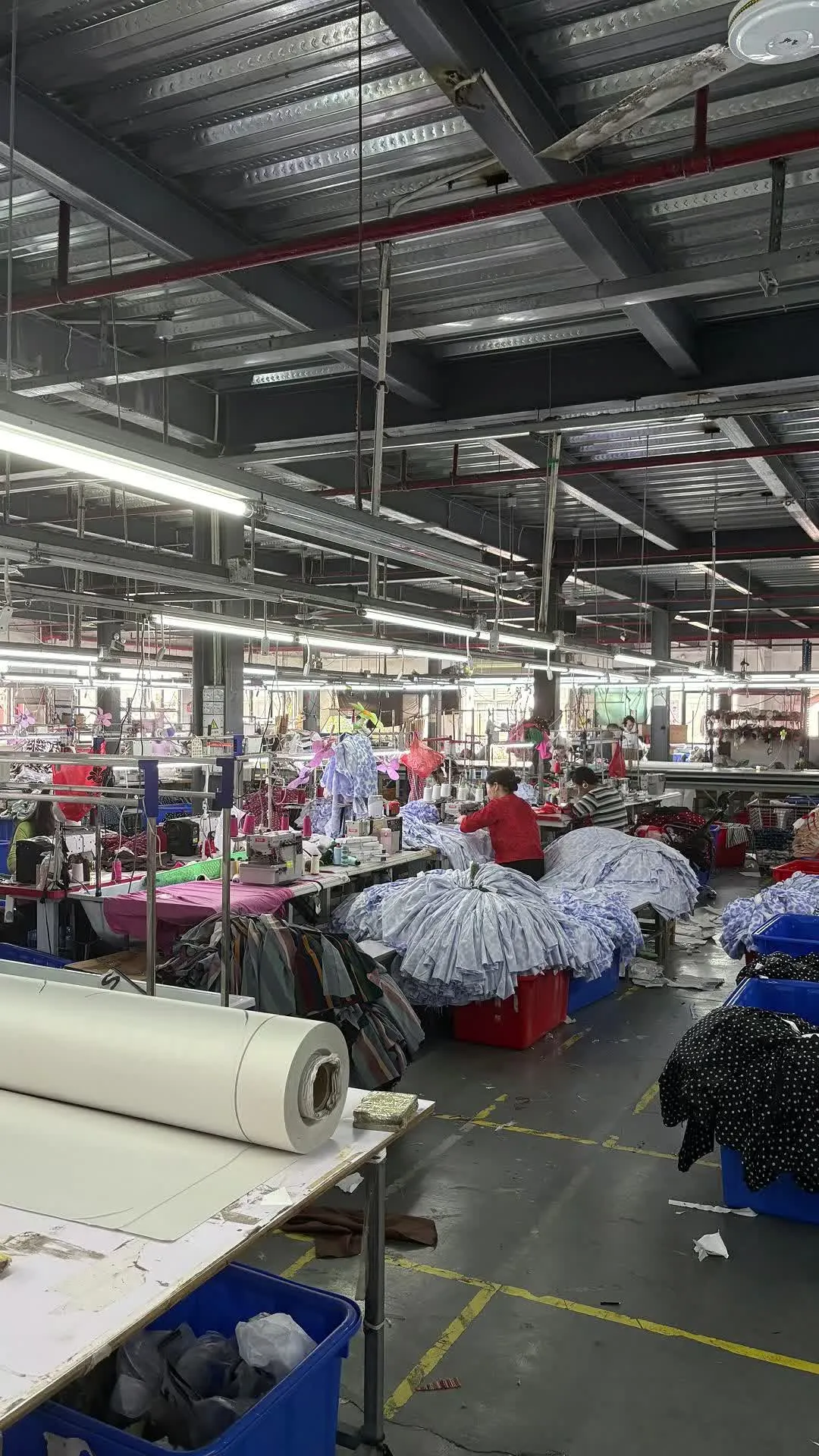
| Control point | Pilot record to retain | Reorder question | Failure if missing |
|---|---|---|---|
| Pattern/spec | Dated version and revision log | Will the same version be used? | Fit or construction drifts |
| Approved sample | Sealed sample plus photos and comments | Is the same production route proposed? | Subjective workmanship dispute |
| Fabric | Supplier, article, composition, weight, finish, lot | Can it be reordered; is a new lot approval needed? | Drape, shade, shrinkage, or hand feel changes |
| Color | Approved lab dip, Pantone/reference, shade tolerance | Will a new dye lot need approval? | Repeat does not match the pilot |
| Trims | Supplier/code, finish, dimensions, performance | Are they retained or subject to a new minimum? | Zipper, button, elastic, or branding changes |
| Measurements | Size chart, grading, tolerance, inspection results | What fit feedback changes the spec? | Returns and inconsistent size curves |
| Labels/packing | Approved artwork, placement, barcode and carton plan | Have market or warehouse rules changed? | Compliance or fulfillment errors |
| QC | Defect standard, inline/final reports, remedy record | Which defects must be prevented in the repeat? | The same failure recurs at larger volume |
See the full apparel production process and our guide to preparing a clothing tech pack for the documents behind these gates.
Quality Control for a Small Production Batch
A limited lot is not automatically easier or defect-free. Confirm that production uses the approved bulk fabric rather than a visually similar substitute; control shade and shrinkage where relevant; lock pattern and grading versions; state measurement tolerances; approve the first piece or top-of-production sample; inspect seams, trims, decoration, labels, and packing; and agree on a remedy before production begins.
ISO 2859-1:2026 is the current international reference for lot-by-lot acceptance sampling indexed by AQL. AQL is not a promise of zero defects, does not mean every garment was inspected, and should not replace incoming-material and in-process controls. For a very small lot, buyer and factory should explicitly agree whether final inspection uses 100% workmanship/measurement review, statistical sampling, or a combination. Our AQL 2.5 garment inspection guide explains the decision in buyer terms.
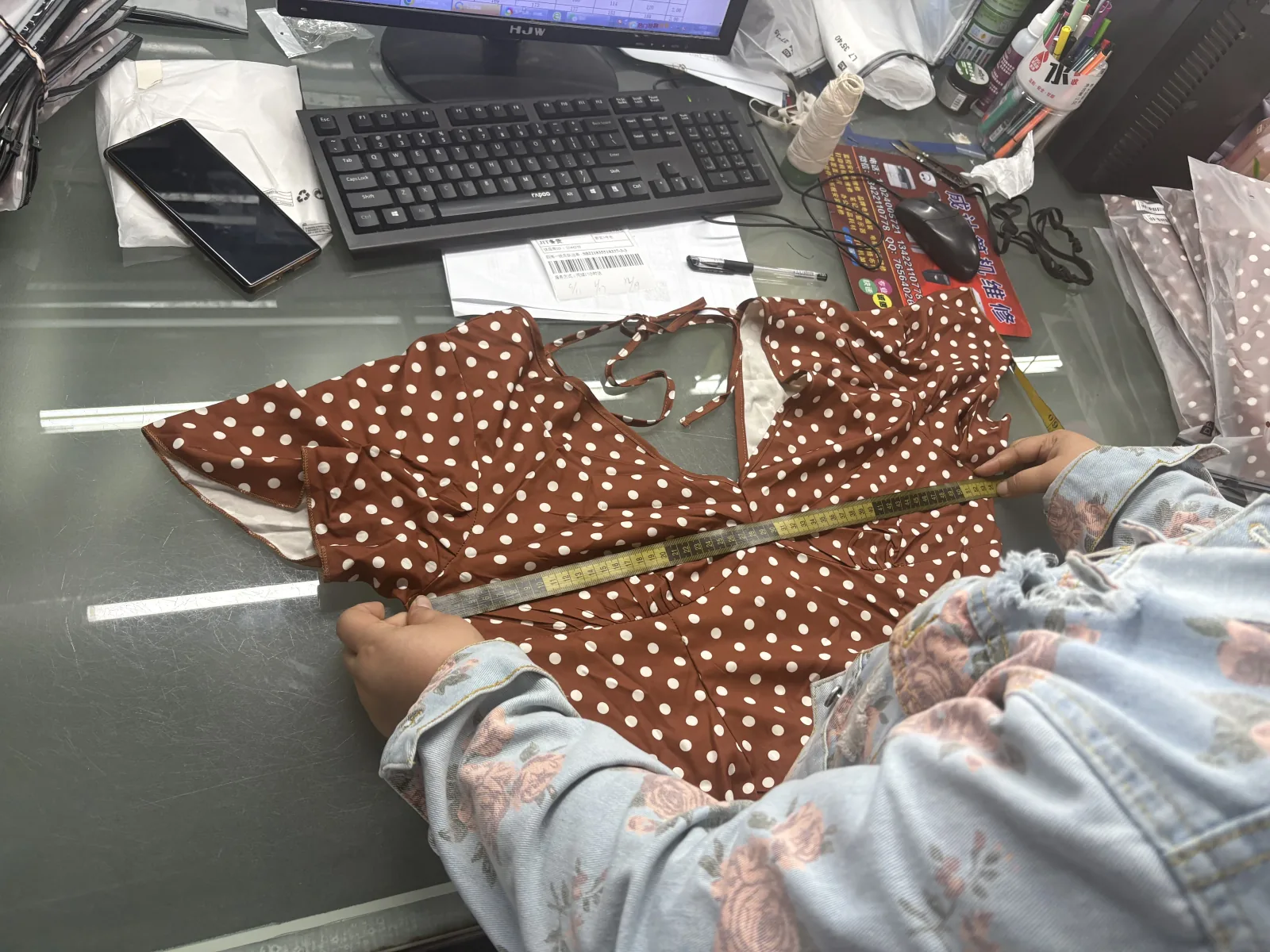
Domestic vs Overseas Small-Batch Production
| Decision factor | Local studio / CMT | Overseas full-package OEM/ODM | What to verify |
|---|---|---|---|
| Development access | Easier visits and fittings may be possible | Remote review; showroom and supplier network may broaden options | Approval method, revision count, sample shipping |
| Materials | Buyer may need to supply them in CMT models | Factory may coordinate sourcing | Source, minimum, testing, unused-material ownership |
| Communication | Same time zone/language may help | Requires disciplined written files and milestone calls | Named contact and written change control |
| Economics | Higher labor and service cost can apply | May improve at repeat/bulk quantities | Total landed cost and all exclusions |
| Scale path | Some studios have a practical maximum | Potentially broader, but pilot and bulk routes can differ | Line/site change threshold and retained QC standard |
| Inspection | Visits may be simpler | Third-party inspection is often useful | Access, timing, sampling plan, and remedy |
| Origin and labels | Local origin claims still require substantiation | Importer must plan destination-market requirements | Actual manufacturer, origin, label approval |
| Freight/customs | Simpler domestic movement in the selling market | International freight, clearance, duty, and importer role | Named Incoterm, forwarder, broker, handoff point |
Local is not always faster, and China is not always cheaper. Readiness, material availability, revisions, production calendars, freight mode, duty, inspection, and failed-product risk all affect the commercial answer.
Labels, Product Safety, Origin, and Shipping
Tell every candidate where the garment will be sold before labels are printed. For the United States, the FTC's apparel-labeling resources cover common fiber, country-of-origin, responsible-business, and care information, while care instructions need a reasonable basis. EU buyers should review the European Commission's textile-label guidance and applicable language rules. Product categories can add obligations: the U.S. CPSC's children's upper-outerwear drawstring guidance is one example of why target market and garment type belong in the RFQ.
Incoterms allocate defined tasks, costs, and risks but do not replace a detailed sales contract; the U.S. International Trade Administration provides a useful Incoterms overview. For Mostnica projects, assume an EXW or FOB-style factory boundary unless another named term is agreed in writing. Mostnica can cooperate on packing/export documents and the buyer's logistics arrangement, but the buyer should use a trusted freight forwarder and customs broker for shipping, customs, DDP, and destination-side risk.
How Mostnica Fits—and Does Not Fit—a Small-Batch Program
Strong fit
Affordable womenswear, woven dresses, tops, pants, and everyday apparel; a clear tech pack or reference; a realistic trial around 100 pcs/style; a buyer planning repeat production; practical OEM/ODM, private-label, PP, and QC needs.
Conditional fit
Below-about-100 quantities, multi-SKU capsules, decoration-heavy streetwear, childrenswear, or sweaters require style-specific confirmation of materials, setup, production route, target-market inputs, minimum, and timing.
Not the best fit
One-piece POD, a ten-piece multi-color atelier collection, luxury/bridal craftsmanship, technical/PPE work without documented specialist capability, or buyers expecting unconfirmed DDP and customs responsibility.
The credible Mostnica proposition is a controlled, value-conscious test with a repeat path—not the smallest possible number. Send clear product direction, allow the factory to check the commercial feasibility of materials and complexity, and treat the pilot as the first version of a documented production system.
Risk Checklist Before You Pay a Deposit
- Match the legal entity, business address, contract, invoice, bank account, and export documents.
- Confirm the actual production site and any subcontracting or route change between sample, pilot, and repeat.
- Review recent samples relevant to the exact category, fabric, fit, and technique.
- Write the minimum denominator and complete style/color/size split into the quote.
- Define pattern ownership, revision allowance, PP approval, measurement tolerance, and material approvals.
- State who owns or pays for unused fabric, trims, molds, screens, and setup materials.
- Agree on milestones, inspection access, defect classification, remedy, and payment gates.
- Verify current certificate documents only when a certificate matters; check entity, site, scope, issuer, number, and validity.
- Approve labels and artwork for the selling market and name who holds compliance responsibility.
- Write the Incoterm and named place, freight handoff, carton marks, packing list, and importer role.
For a California supplier, use the state's garment registration database and confirm the current legal entity and expiration. For any geography, an attractive website or certification logo is not a substitute for contract, document, sample, site, and inspection verification.
Copyable Small-Batch Clothing RFQ
Brand/company and destination market: [ ]
Product and style count: [ ]
Development input: Tech pack / sketch / reference garment / approved sample [attach]
Construction and materials: seams, finishes, composition, knit/weave, weight/GSM, stretch, hand feel, color/Pantone, finish, trims, and acceptable alternatives [ ]
Decoration: print, embroidery, wash, artwork dimensions, placement, and color [ ]
Quantity: style [ ], color [ ], size [ ], total [ ]
Fit control: size chart, grading, tolerances, fit model/mannequin [ ]
Sampling: sample type, revision expectation, approval deadline [ ]
Labels and packing: brand, size, care, fiber, origin, hangtag, barcode, polybag, carton [ ]
Timing and QC: target production window, launch date, testing, inspection, third-party access [ ]
Logistics: preferred Incoterm and named place, destination, forwarder [ ]
Repeat forecast: non-binding quantity and expected reorder timing [ ]
Ask each supplier to return its legal contracting entity, production location and route, MOQ denominator, development and sample charges, included revisions, unit price by tier, material/setup minimums, milestone lead times, QC and remedy terms, packing/freight exclusions, and quote validity. This turns vague marketing claims into comparable commercial offers.
Frequently Asked Questions
What counts as a small batch in clothing manufacturing?
There is no industry-wide numeric definition. A small batch is better understood as a limited production lot used for a capsule, test, controlled launch, or early reorder. Always ask whether a stated minimum applies per order, style, color, size, fabric, or decoration setup.
Is small-batch manufacturing the same as low MOQ?
No. Low MOQ describes a supplier threshold. Small-batch manufacturing describes how a limited run is developed, approved, controlled, inspected, and made repeatable. A supplier can advertise a low number yet offer weak batch control or no reliable reorder path.
What is the difference between POD and small-batch cut-and-sew?
Print on demand normally decorates or fulfills an existing catalog product after a customer orders it. Small-batch cut-and-sew normally produces a planned lot before sale and can provide more control over pattern, fit, fabric, construction, trims, labels, and packing.
Why can 50 pieces become 50 pieces per color?
Fabric dye lots, print setups, cutting efficiency, and sewing changeovers may make each color or artwork its own production minimum. Ask the supplier to write the denominator beside every MOQ and return a complete quantity split by style, color, and size.
Is a local or overseas small-batch manufacturer better?
Neither is universally better. A local studio can simplify visits and fittings, while an overseas full-package factory may offer broader sourcing and a stronger bulk scale path. Compare landed cost, development ownership, production route, QC access, material continuity, and logistics responsibility.
What should I prepare before asking for a small-batch quote?
Send a tech pack or clear reference, fabric and trim targets, quantity by style, color, and size, measurements and tolerances, artwork, label and packing details, destination market, inspection needs, Incoterm preference, and the required production window.
How do I keep fabric and fit consistent on a reorder?
Retain the approved sample, pattern and specification version, measurement tolerances, fabric supplier and article, color standard, trim codes, artwork placement, label files, packing method, and inspection report. Confirm before the pilot whether the same materials can be reordered and what new minimum applies.
Can Mostnica produce a small trial order and then scale it?
Mostnica is a practical fit for many custom everyday-apparel and womenswear trial programs around 100 pieces per style, subject to fabric, color, trims, construction, and customization. Repeat or larger bulk production should be quoted after the pilot specification, approved sample, quality plan, and material continuity are confirmed.
Related Mostnica Resources
Request a Small-Batch Feasibility Review
Send your tech pack or reference images, quantity by style/color/size, target fabric, trims, labels, destination market, inspection needs, and required delivery window. We will review category fit, realistic minimum structure, development route, and the potential path from pilot to repeat.
Discuss Your Limited Run