China Clothing Manufacturer for U.S. Brands: Factory, Compliance, and Import Guide
How American apparel buyers can match the right China factory, define importer responsibilities, verify product and supply-chain evidence, and release a shipment without confusing manufacturing support with legal compliance.
Research and regulatory source check: August 16, 2026
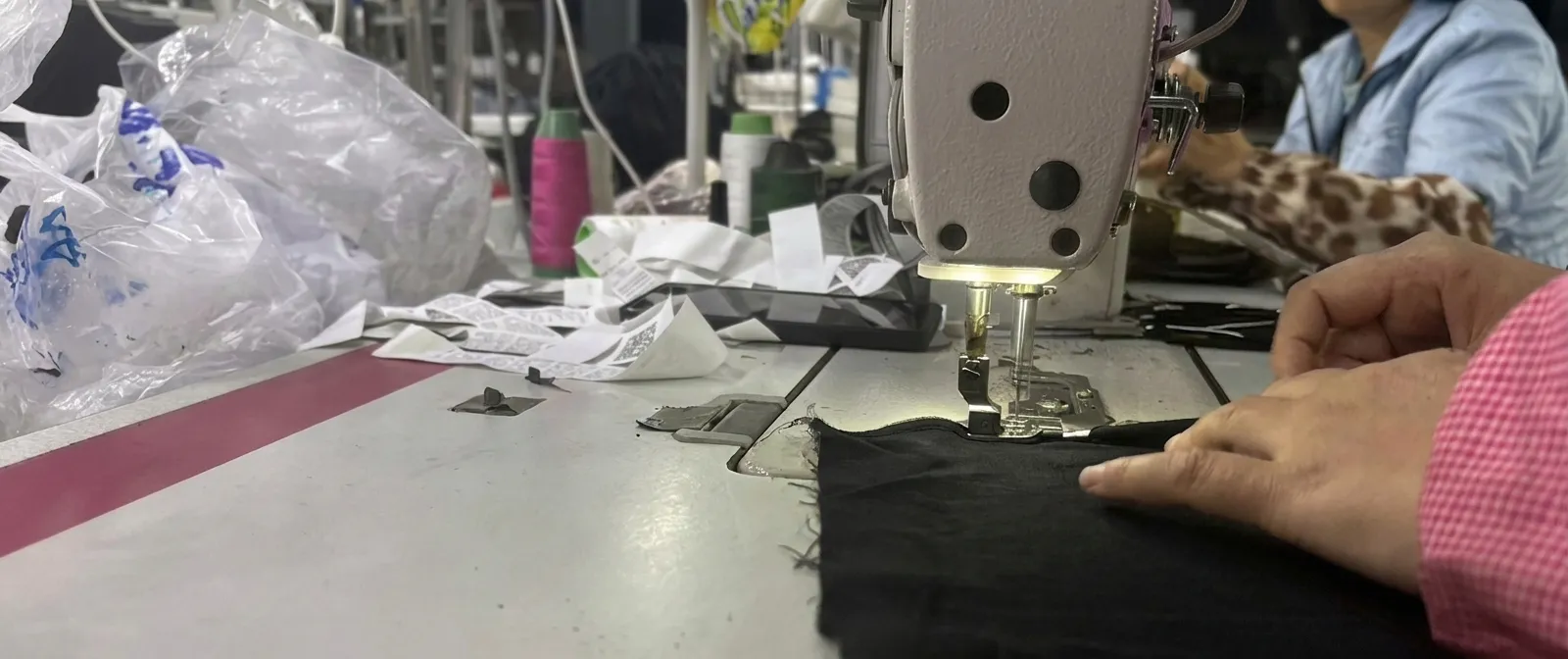
Direct Answer: When a China Clothing Manufacturer Fits a U.S. Brand
A China clothing manufacturer can be a strong fit for a U.S. brand that needs broad fabric access, custom OEM/ODM development, practical trial-to-bulk production, and cost-conscious execution for everyday apparel. The factory alone does not make the import program compliant. The U.S. buyer should match the factory to the product, approve supported labels and care instructions, identify the actual manufacturer, determine HTS and duty treatment, set any CPSC test and certificate plan, document UFLPA due diligence, and define inspection and Incoterm responsibilities before bulk cutting.
China is less compelling for one-piece print-on-demand, extremely urgent domestic replenishment, specialist regulated products without verified expertise, or a buyer that has no customs and compliance process. A successful program is a system: product-fit factory, production-ready specification, agreed evidence, independent release checks, and a competent U.S. broker/forwarder. This page provides general sourcing and compliance information, not legal, customs, tariff-classification, or product-safety advice.
| Buyer situation | China fit | Main condition |
|---|---|---|
| Everyday womenswear with repeat potential | Strong | Category-matched factory, approved sample, controlled fabric, labels, and QC |
| T-shirts, hoodies, and casual knits | Strong when processes match | Confirm fabric, shrinkage, decoration, and MOQ by color |
| First custom test around 100 pcs/style | Conditional | Use practical materials, limit variation, and accept that low volume raises unit cost |
| Children's everyday apparel | Conditional; higher control | Define age/use, applicable rules, testing, certificate, tracking-label, and eFiling plan |
| Cotton-heavy program with weak upstream records | Poor until resolved | Obtain adequate material-chain and entity evidence for the buyer's UFLPA risk program |
| Luxury couture or specialist PPE | Usually weak for Mostnica | Use a verified specialist with the required technical evidence |
| Buyer expecting universal factory-managed DDP compliance | Poor | Retain a trusted broker/forwarder and a written responsibility matrix |
What “U.S.-Ready” Should Mean
“We have shipped to America” is not a control system. A useful U.S.-ready factory can provide accurate BOM and composition information, disclose actual manufacturing and approved subcontracting sites, make labels to controlled artwork, connect test and lot records to the finished SKU, reconcile invoice/packing/origin/MID data, accept agreed inspection gates, and deliver the documents required by the buyer's broker and compliance team.
It should not mean a badge on a website, a generic lab report, a collage of certification logos, a marketplace verification mark, or a sales message saying that DDP “includes everything.” Each document has a scope, legal entity, site, product, validity period, and purpose. Verify those details against the actual purchase order.
Match the Manufacturer to the Garment Before Comparing Price
A factory's cheapest quote is not meaningful until the garment family and processes are defined. Woven dresses, blouses, pants, and skirts need evidence around drape, lining, print matching, closures, grading, and fit. Cut-and-sew tees, hoodies, and sweatshirts need fabric weight, shrinkage, recovery, rib, fleece or French terry handling, and print or embroidery capability. Yarn-knitted sweaters need a different development system covering yarn, gauge, knit structure, linking, pilling, and finishing.
Children's products require the intended age and use to be explicit. Daywear, sleepwear, and upper outerwear are not interchangeable descriptions. Specialist activewear, intimate apparel, denim washing, protective clothing, and performance claims should be routed to factories with style-level equipment, process, testing, and quality evidence. Compare suppliers only after your RFQ identifies the construction family and every process that affects safety, fit, labeling, or origin.
Build the RFQ Pack a U.S. Importer Needs
A vague request for “your best price” hides the decisions that later create label, duty, test, and delivery disputes. Start with a production-ready tech pack and include the fields below.
- Buyer legal entity, U.S. sales channel, and importer-of-record plan.
- Product name, intended use, adult or child age grade, and daywear/sleepwear/outerwear assumption.
- Flat sketches, BOM, construction, measurement chart, tolerances, grading, and size range.
- Knit, woven, or knit-to-shape construction and target fiber composition.
- Fabric weight/GSM, handfeel, stretch, color, print, wash, trims, and performance needs.
- Quantity by style, color, and size; trial volume, forecast, and reorder path.
- Label fields: fiber, origin, responsible business/RN, care, size, batch/tracking, and warnings.
- Applicable test and certificate plan, nominated lab, evidence owner, and record retention.
- Packaging, barcode/UPC/SKU, polybag, carton, retailer, and 3PL routing requirements.
- Defect list, AQL or other inspection standard, third-party inspection, and release authority.
- Incoterms 2020 rule with exact place/port, broker/forwarder, ship-to point, and delivery window.
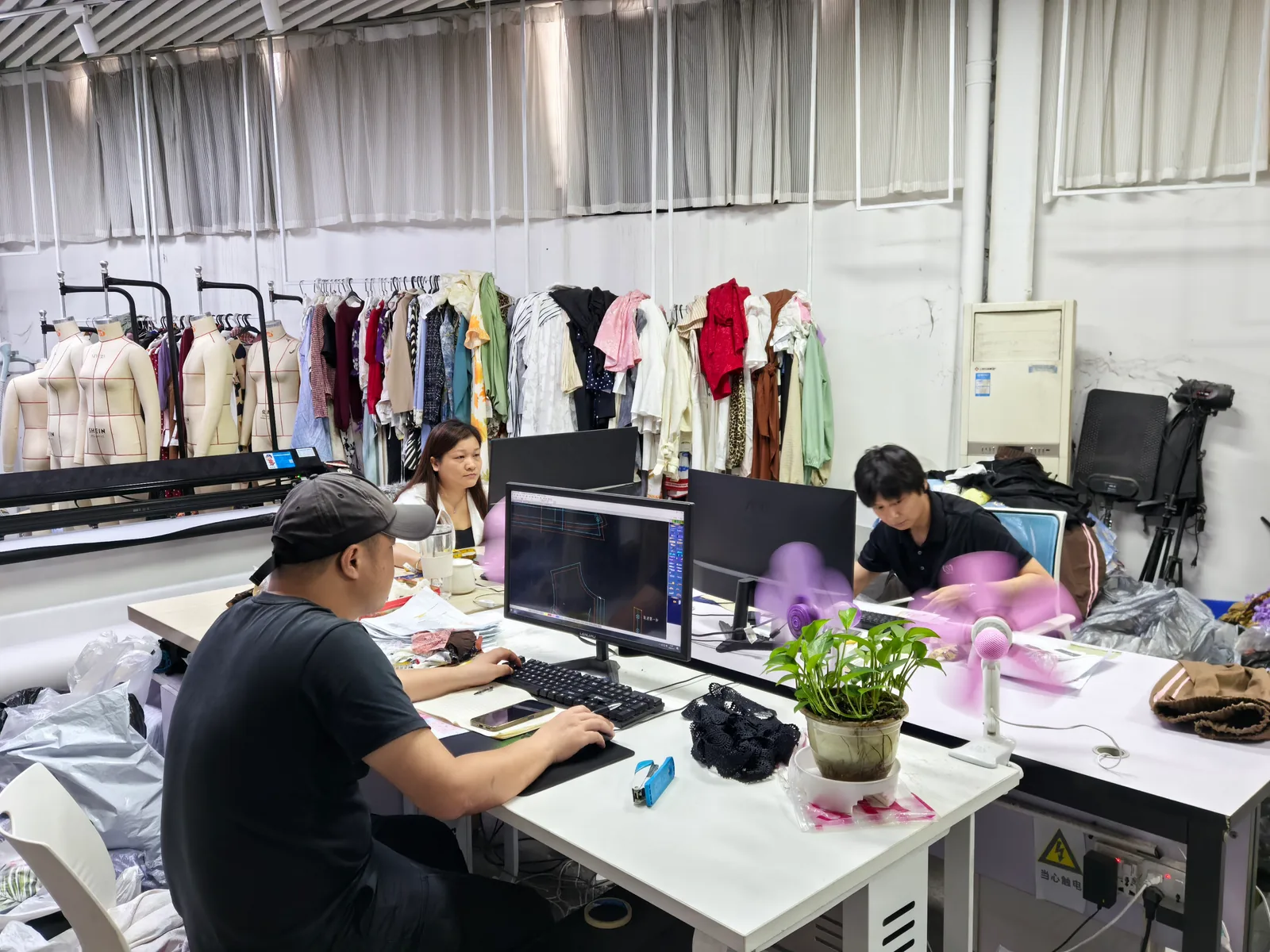
U.S. Apparel Labeling: Four Data Sets, Not One “Care Label”
The FTC textile and wool labeling guide explains that most covered products require fiber content, country of origin, and the identity of the manufacturer, importer, or another dealer, which may use an eligible RN. The separate FTC care-label guidance requires covered businesses to have a reasonable basis for care instructions. Scope and exceptions vary, so confirm the actual product.
| Data set | Question to answer | Evidence to control |
|---|---|---|
| Fiber content | Which fibers and percentages make up the covered product? | BOM, mill/fabric documents, and agreed composition testing where needed |
| Country of origin | Where did origin-conferring production occur under current rules? | Actual production flow, facilities, inputs, and broker/counsel analysis when complex |
| Responsible identity | Which eligible company name or RN appears? | Buyer-approved legal identity or RN; an RN is optional and is not a U.S. buyer number issued to a Chinese factory |
| Care instructions | Which regular care method is safe for the finished garment? | A reasonable basis covering the complete garment, not an unsupported stock symbol or component assumption |
Wool, cashmere, and other specialty-fiber claims deserve extra control. The FTC's wool and cashmere guidance shows why a brand should not approve “100% wool” or “cashmere blend” from a supplier description alone. The factory can source labels and sew them in the approved location; the U.S. buyer must approve accurate, supported content and specify how changes are controlled.
CBP Entry: Actual Manufacturer, Origin, HTS, Value, and Records
A licensed customs broker is valuable, but CBP's importer guidance says the importer of record remains responsible for entry correctness and applicable duties, taxes, and fees. Give the broker enough technical data before the purchase order, not after cargo arrives.
Commercial textile and apparel entries use a manufacturer identification code. CBP's MID guidance points to the actual manufacturer performing the origin-conferring process; a trader or salesperson's company name is not automatically a substitute. Collect the exact legal name and address of the relevant production site and reconcile it with the invoice, packing list, entry data, and disclosed subcontracting.
Country of shipment, fabric source, sewing location, and legal country of origin are not synonyms. Multi-country spinning, fabric formation, cutting, assembly, and finishing can make origin analysis fact-specific. For classification, a foreign supplier's tariff code after the first six digits may not be the U.S. code. Check the current USITC Harmonized Tariff Schedule, use CBP rulings or a qualified adviser where appropriate, and check the USTR Section 301 search for a known applicable eight-digit subheading. There is no universal duty rate for “clothing from China.”
As checked on August 16, 2026, CBP's general entry-summary recordkeeping overview states that relevant entry records generally must be kept for five years. Confirm the exact record set and retention trigger for each transaction with the broker or adviser.
CPSC: Adult Apparel Is Not the Same as Children's Apparel
General wearing apparel
The CPSC clothing business guidance summarizes the flammability framework under 16 CFR Part 1610, including listed exclusions and certain fabric-testing exemptions. Applicability should be assessed for the actual garment. For a covered imported general-use product subject to a CPSC rule, the importer is responsible for the General Certificate of Conformity; a factory report can support the file but does not transfer that responsibility.
Children's apparel
Products designed or intended primarily for children 12 and under enter a different framework. Depending on materials and use, applicable requirements may include flammability, lead in accessible components or paint, and other rule-specific controls. Required children's-product testing generally uses a CPSC-accepted laboratory. The importer issues the Children's Product Certificate for an imported product based on applicable passing tests and due-care records; a lab report is evidence, not the CPC itself. Tracking-label information must also connect the product and packaging, to the extent practicable, with production and source data.
Sleepwear, drawstrings, and 2026 certificate eFiling
Children's sleepwear has specific fit, sizing, flammability, testing, certificate, and tracking-label considerations. The CPSC drawstring guidance applies to defined children's upper-outerwear locations and size ranges; it is not a ban on every drawstring in every child's garment. Describe and market the product according to its real intended use rather than renaming sleepwear as “loungewear.”
Current eFiling note, verified August 16, 2026: according to the CPSC Certificates and eFiling page, from July 8, 2026, importers of products subject to CPSC certification requirements must electronically file certificate data. CPSC lists a separate January 8, 2027 effective date for applicable foreign-trade-zone entries. The importer should coordinate current certificate data and ACE workflow with its broker and recheck the rule before shipment.
UFLPA: Trace Inputs, Not Only the Sewing Floor
The Uyghur Forced Labor Prevention Act creates a rebuttable presumption affecting goods mined, produced, or manufactured wholly or partly in Xinjiang or by entities on the UFLPA Entity List. The official DHS UFLPA page and live Entity List are the current screening starting point. Apparel exposure may be upstream in cotton, yarn, fabric, dyeing, or another input even when sewing occurs elsewhere.
A sewing-factory address alone is therefore insufficient. Map relevant spinners, mills, dye/finish facilities, garment sites, and subcontractors; screen exact legal names, aliases, and facilities; preserve purchase, transaction, lot, production, and shipping records appropriate to the risk; and require written approval before a supplier or site changes. A social-audit report, certification, website statement, or “no Xinjiang cotton” declaration is one input, not a guarantee that CBP will admit a shipment. Use customs counsel and forced-labor specialists where risk is material.
- Go to sample after factory identity, production site, and tentative material chain are disclosed.
- Go to PO after exact bulk sources, approved subcontractors, evidence obligations, and change controls are written.
- Go to shipment only when transaction, lot, and production records reconcile to the finished SKU and exact parties are rescreened.
- Stop when upstream disclosure is refused, a mill/site changes without approval, or records do not reconcile.
FOB, FCA, EXW, and DDP: Write the Boundary Before the Deposit
Incoterms allocate defined transport tasks, costs, and risks. They do not by themselves decide title, payment, label accuracy, product safety, HTS classification, UFLPA admissibility, or every contractual issue. Write the chosen rule, exact named place or port, and “Incoterms 2020” in the quote and purchase order. The U.S. International Trade Administration's Incoterms overview is a useful starting reference.
| Term | Seller-side practical boundary | Buyer-side practical boundary | Decision rule |
|---|---|---|---|
| EXW named factory | Makes goods available at the named premises; export clearance is not the seller's Incoterms obligation | Takes early cost/risk and handles export, carriage, import, and duties | Use only if the buyer's forwarder can lawfully and practically manage China pickup/export |
| FCA named place | Delivers to the buyer's carrier at the named place and handles export clearance | Contracts main carriage and handles U.S. import | Ask whether FCA is cleaner for containerized or multimodal cargo |
| FOB named port | Clears export and delivers on board the buyer-nominated vessel | Takes risk from on-board delivery, arranges main carriage, and handles import | FOB is a sea/inland-waterway rule; clarify container operations with the forwarder |
| DDP named destination | Takes unusually broad delivery and import-cost obligations under the term | Receives at destination but should still understand product and record exposure | Do not interpret DDP as removal of every U.S. legal or importer responsibility |
Mostnica's documented default boundary is FOB, with EXW available when needed. We recommend that U.S. buyers use a freight forwarder and customs broker they trust for main carriage, U.S. entry, duties, DDP arrangements, and destination-side risk. For a deeper transport comparison, read FOB vs DDP for apparel imports.
How to Vet a Chinese Clothing Factory for a U.S. Program
| Gate | Evidence and approvals | Do not proceed when |
|---|---|---|
| Before sample payment | Legal entity, registration, site, bank beneficiary, actual manufacturer, category fit, initial material/MOQ assumptions, and draft label/test responsibility matrix | Payment entity and contract entity do not reconcile, or the supplier cannot explain how the style will be made |
| Before purchase order | Approved sample/spec/BOM/label artwork; all sites and subcontractors; bulk material sources; change control; test/certificate/inspection plan; broker-reviewed product data; named Incoterm/place | Critical sources or responsibilities remain verbal |
| Before bulk cutting | Approved PP sample, bulk fabric/color/shrinkage, trims, labels, size set, packaging, and current entity/facility/material screening | Bulk inputs differ from the approved basis without documented acceptance |
| Before final payment/shipment | Final inspection, applicable test/certificate data, packing list, invoice, origin/MID data, traceability file, booking, and CPSC eFiling coordination where applicable | Inspection fails, documents conflict, or release authority has not approved |
| After U.S. entry | Reconcile entry summary, duties, broker data, received quantity, defects, claims, and retained records | Repeated discrepancies are accepted without corrective action |
Use a live video walkthrough, on-site audit, or qualified third-party audit to distinguish a factory, trading company, and coordination network. Ask where patternmaking, cutting, sewing, printing, embroidery, washing, finishing, inspection, and packing will occur. A business license, marketplace badge, website, or vessel-manifest result is useful evidence but not a complete capability, quality, or supply-chain audit.
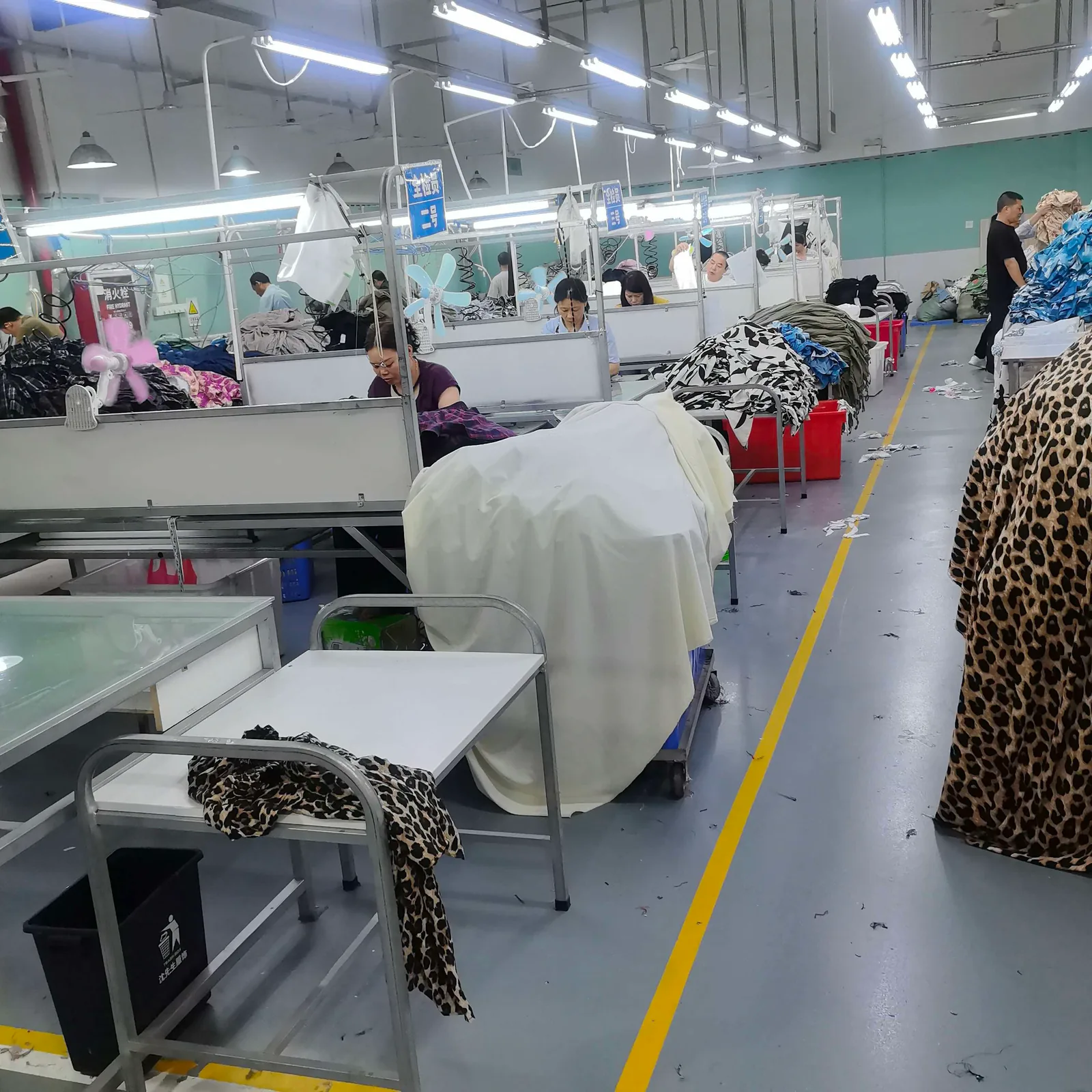
Research Shortlist: Different Manufacturers Fit Different Programs
This is a non-ranked research set, not an endorsement, audit result, or proof of U.S. admissibility. Official websites were reviewed on August 16, 2026. Verify the current legal entity, factory, category, MOQ, certification scope, upstream chain, test workflow, and willingness to accept the exact RFQ.
| Manufacturer | Publicly stated category/model and likely fit | Evidence to request | Main limitation |
|---|---|---|---|
| Mostnica Guangzhou/Panyu | Affordable everyday apparel, fast-fashion womenswear, woven dresses/tops/pants, practical OEM/ODM and trial-to-bulk programs; around 100 pcs/style may be reviewed when materials and construction allow | Exact producing entity/site and MID details; U.S. label/test workflow; upstream records for the SKU; current MOQ and timing | Not one-piece POD, luxury couture, specialist PPE, a blanket sustainable-certified solution, or an end-to-end U.S. import provider |
| Hongyu Apparel | Public site separates blanks/logo customization and cut-and-sew; useful for startup and growing-brand model comparison | Legal factory/exporter, actual site, U.S. references, testing, material chain, and style-specific MOQ/timing | Published timing and MOQ are supplier statements and must be tied to the RFQ |
| Huilin Fashion | Public site describes Guangzhou OEM/ODM, multi-category development, fabric, labels, and packing for low-MOQ research | Resolve MOQ and operating claims across pages; verify entities/sites, certifications, subcontracting, traceability, and children's workflow | Broad category and sustainability language needs document- and scope-level verification |
| Lezhou Garment | Dongguan custom womenswear, hoodies, streetwear, development, sourcing, labels, packing, and category-dependent order minimums | Legal/export entity, actual site, U.S. references, testing, upstream chain, and written logistics boundary | Quality, timing, refund, and customs statements need precise contractual definitions |
| Appareify / Guangzhou Yueyi Sportswear | Broad private-label/OEM category research, especially sportswear, underwear, hoodies, and leggings | Which sites make the SKU, actual MOQ, certification scope, sustainability evidence, testing, labeling, and traceability | Broad capabilities and low-MOQ language require factory- and style-level proof |
| Easson Apparel | Knit casualwear such as T-shirts, hoodies, sweatshirts, joggers, and loungewear; public site states a standard 100 pcs/style with conditions | Legal entity/site match, authorized references, certificate scope, U.S. label/test flow, and cotton/material traceability | Exact timing, logo, certification, shrinkage, and client claims need supporting evidence |
| D&J Fashion | Women's fashion design, pattern, sample, OEM/ODM, and programs that may scale through owned and partner production | Exact site for the order, owned versus supplier production, actual MID, certificates, U.S. compliance support, and material chain | Supply-chain model means the buyer must distinguish owned operations from partner factories |
| Shenzhou International | Enterprise benchmark for large activewear, athleisure, casualwear, and vertically integrated knit programs | Customer acceptance, allocation, minimum program size, country/site assignment, traceability, and terms | Scale is likely mismatched for small or early-stage brands |
| Crystal International | Large multi-country group covering lifestyle, denim, intimate, sweater, sportswear, and outdoor segments | Current China facility/category assignment, onboarding threshold, entity/site, certifications, upstream sources, and U.S. support | Public information does not establish small-brand MOQ or China-facility availability |
Do not build a shortlist from reputation alone. A sophisticated website, prior customer history, vertical integration, or import-record result never replaces live entity-list screening and order-specific due diligence. The broader private-label manufacturer comparison serves generic shortlist intent; this page adds the U.S.-import control layer.
Where Mostnica Fits for U.S. Brands
Mostnica is the overseas service brand of Guangzhou Fulai Apparel Technology Co., Ltd. in Panyu, Guangzhou. Our documented strength is affordable, trend-responsive everyday apparel: fast-fashion womenswear, woven dresses, tops, and pants, with supporting T-shirts, hoodies, sweatshirts, knitwear, and simple children's everyday apparel only when the project scope is confirmed. Buyers can work from an OEM tech pack or reference sample, or review ODM showroom styles and modifications supported by Guangzhou fabric-market coordination.
Around 100 pieces per style can be reviewed as a trial order when fabric availability, colors, trims, and construction make that practical; it is not a guarantee for every SKU. Repeat and bulk programs should be planned after the sample, materials, quality gates, and forecast are validated. Our workflow can include incoming fabric review, first-piece checks, inline and final inspection, AQL 2.5 sampling, and cooperation with third-party audits or pre-shipment inspection. AQL is a statistical release method, not a promise of zero defects or a substitute for product-safety testing.
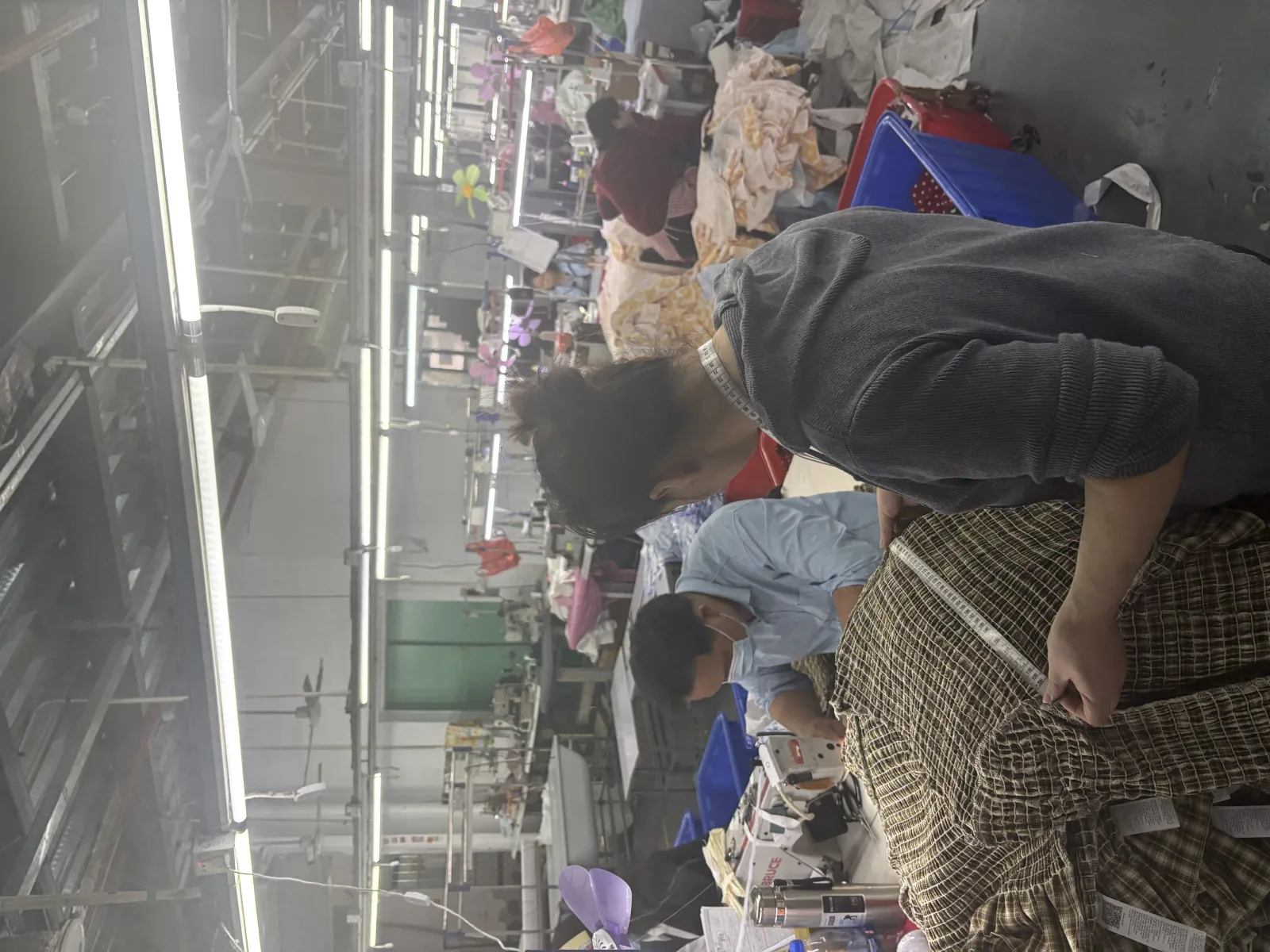
- Value-conscious everyday womenswear
- Practical private-label and OEM/ODM work
- Trial-to-repeat programs with clear specifications
- Buyers controlling U.S. broker, testing, and inspection relationships
- One-piece POD or no-inventory dropshipping
- Luxury couture or specialist protective products
- Undefined children's compliance programs
- Buyers asking the factory to assume all IOR, tariff, CPSC, UFLPA, customs, or DDP liability
Mostnica can manufacture to buyer-approved specifications, support product and label data collection, cooperate with independent testing and inspection, provide factory/export documents within the agreed scope, and work with the buyer's logistics arrangement. The U.S. brand and importer should determine applicable requirements with qualified customs, product-safety, testing, and legal advisers. Learn more about Mostnica OEM clothing manufacturing and our sample-to-bulk production process.
18 Questions to Ask Any China Clothing Manufacturer
- What are your full Chinese legal name, registration number, and production address?
- Which entity signs, receives payment, exports, and appears as actual manufacturer for MID purposes?
- Where will sampling, cutting, sewing, decoration, washing, finishing, inspection, and packing occur?
- Which processes are in-house and which are subcontracted?
- What drives MOQ by style, color, fabric, trim, decoration, and size range?
- Can you show comparable current construction without exposing another buyer's confidential design?
- Which documents support fiber percentages and proposed care instructions?
- Where is the buyer's label-artwork approval checkpoint?
- Which lab will perform each applicable test, and how will the report tie to SKU, lot, and batch?
- For children's products, what data supports the CPC, tracking label, and CPSC eFiling?
- Who are relevant upstream mills, facilities, and approved subcontractors?
- Which records connect materials to the finished SKU?
- Do you allow live video, on-site audit, third-party inspection, and pre-shipment testing?
- What are the defect classes, inspection level, AQL, and release rule?
- Which Incoterm 2020 and exact named place or port is quoted?
- Which invoice, packing, origin, manufacturer, and export data go to the broker?
- What happens if a mill, site, composition, or origin fact changes?
- Who pays for rework, retesting, reinspection, storage, or replacement after a documented failure?
U.S.-Specific RFQ and Shipment-Release Checklist
| RFQ field | What to send or decide |
|---|---|
| Product | Tech pack/reference sample, intended use and age grade, fiber/fabric, construction, sizes, quantities by style/color/size, forecast |
| Labels and packaging | Draft fiber/origin/identity or RN/care artwork, size, warnings, tracking/batch data, UPC/SKU, polybag and carton rules |
| Testing and evidence | Applicable CPSC/retailer plan, nominated lab, traceability requirements, facility and supplier disclosure, document owner |
| Quality release | Approved PP sample, tolerances, defect list, inspection level/AQL, third-party inspector, retest/rework responsibility |
| Import and delivery | Broker and forwarder contacts, classification data request, Incoterm 2020 and exact place/port, ship-to location, delivery window |
Send Mostnica this information for a product-and-factory-fit review. Your U.S. broker or compliance adviser should confirm entry, tariff, product-safety, certificate, and regulatory requirements. Before final payment, use the AQL 2.5 garment inspection guide to write an objective shipment-release rule.
Common Mistakes U.S. Apparel Buyers Can Prevent
- Buying on unit price before classification: compare landed cost after style-specific duties, fees, testing, inspection, and delivery.
- Using a trader as the actual manufacturer: obtain the origin-conferring factory identity and disclose approved subcontracting.
- Approving labels from a fabric swatch alone: control final-garment fiber, origin, identity/RN, and care evidence.
- Treating children as a smaller adult size: define intended age/use and rule-specific test, CPC, tracking-label, and eFiling needs before production.
- Screening only the sewing floor: trace risk-relevant upstream inputs and exact facilities, then rescreen before shipment.
- Writing “FOB China”: state the named port/place and Incoterms 2020 and align the forwarder's operational plan.
- Using AQL as a safety certificate: product inspection, laboratory testing, legal certification, and import due diligence are separate controls.
- Letting a supplier change sources silently: require written approval for materials, mills, subcontractors, production sites, and origin-relevant changes.
Frequently Asked Questions
Can a U.S. clothing brand manufacture in China?
Yes. China can fit a U.S. brand when the factory matches the garment, the order economics work, and the buyer manages specifications, due diligence, labeling and testing, import entry, quality control, and logistics as one program.
Who is responsible for U.S. apparel labels: the brand or the factory?
A factory can make and attach buyer-approved labels and provide agreed material evidence. Covered manufacturers, importers, and marketers still have legal responsibilities for accuracy, so the U.S. buyer should approve substantiated fiber, origin, identity or RN, and care content in writing.
Does every imported garment have the same U.S. duty rate?
No. U.S. apparel classification is style-specific and can depend on construction, garment type, fiber, gender or age, use, and other legal notes. Check the current HTS and any applicable Chapter 99 treatment for each style.
Does a customs broker take over all importer responsibility?
No. A licensed customs broker can advise and prepare or file entries, but CBP states that the importer of record remains responsible for entry correctness and applicable duties, taxes, and fees.
What is different about children's apparel compliance?
Children's products can trigger rule-specific third-party testing, a Children's Product Certificate, tracking labels, and product-specific requirements. Children's sleepwear and upper-outerwear drawstrings have additional scope rules that must be assessed for the actual product.
What changed with CPSC eFiling in 2026?
As of July 8, 2026, importers of products subject to CPSC certification requirements must electronically file certificate data. CPSC lists a separate January 8, 2027 effective date for applicable foreign-trade-zone entries. Check current CPSC guidance before shipment.
How should a brand address UFLPA risk for apparel?
Map relevant upstream inputs and facilities, screen exact entities and aliases against the live UFLPA Entity List, preserve transaction and production evidence, control supplier changes, and obtain specialist advice when the risk is material.
Is FOB or EXW better for clothing from China?
It depends on the forwarder's operating plan. EXW shifts export and early transport responsibility toward the buyer; FOB is for sea or inland-waterway transport; and FCA may fit containerized or multimodal cargo. State the exact named place or port and Incoterms 2020.
Can Mostnica provide DDP to the United States?
Mostnica's documented commercial boundary is normally FOB, with EXW when needed. U.S. buyers should use a trusted freight forwarder and customs broker for main transport, import entry, duties, DDP arrangements, and destination-side risk; any exception needs a written project-specific agreement.
Related Mostnica Resources
If your collection will also be sold in the UK, use the separate China clothing manufacturer guide for UK brands to plan destination-specific labels, import costs, and Great Britain or Northern Ireland requirements.
- Clothing manufacturer comparison hub
- Source and audit clothing factories in China
- How to find and verify a clothing manufacturer
- Prepare a production-ready tech pack
- China vs Vietnam clothing manufacturing
- Apparel manufacturers for DTC brands
- Custom clothing manufacturers in China
- Mostnica private-label apparel production
Send a U.S.-Ready Apparel RFQ
Share your tech pack or reference sample, intended U.S. use and age grade, target fiber/fabric, quantities, size range, label and packaging needs, required tests or retailer standards, inspection plan, Incoterm, ship-to location, and delivery window. We will review product and factory fit without presenting Mostnica as your importer, broker, certifier, or legal adviser.
Send Your RFQ via WhatsApp