Best Custom Clothing Manufacturers in China for Apparel Brands
No single China factory is best for every custom garment. The right supplier depends first on product specialization, then on the development route, MOQ structure, sample repeatability, quality controls, compliance evidence, and ability to scale.
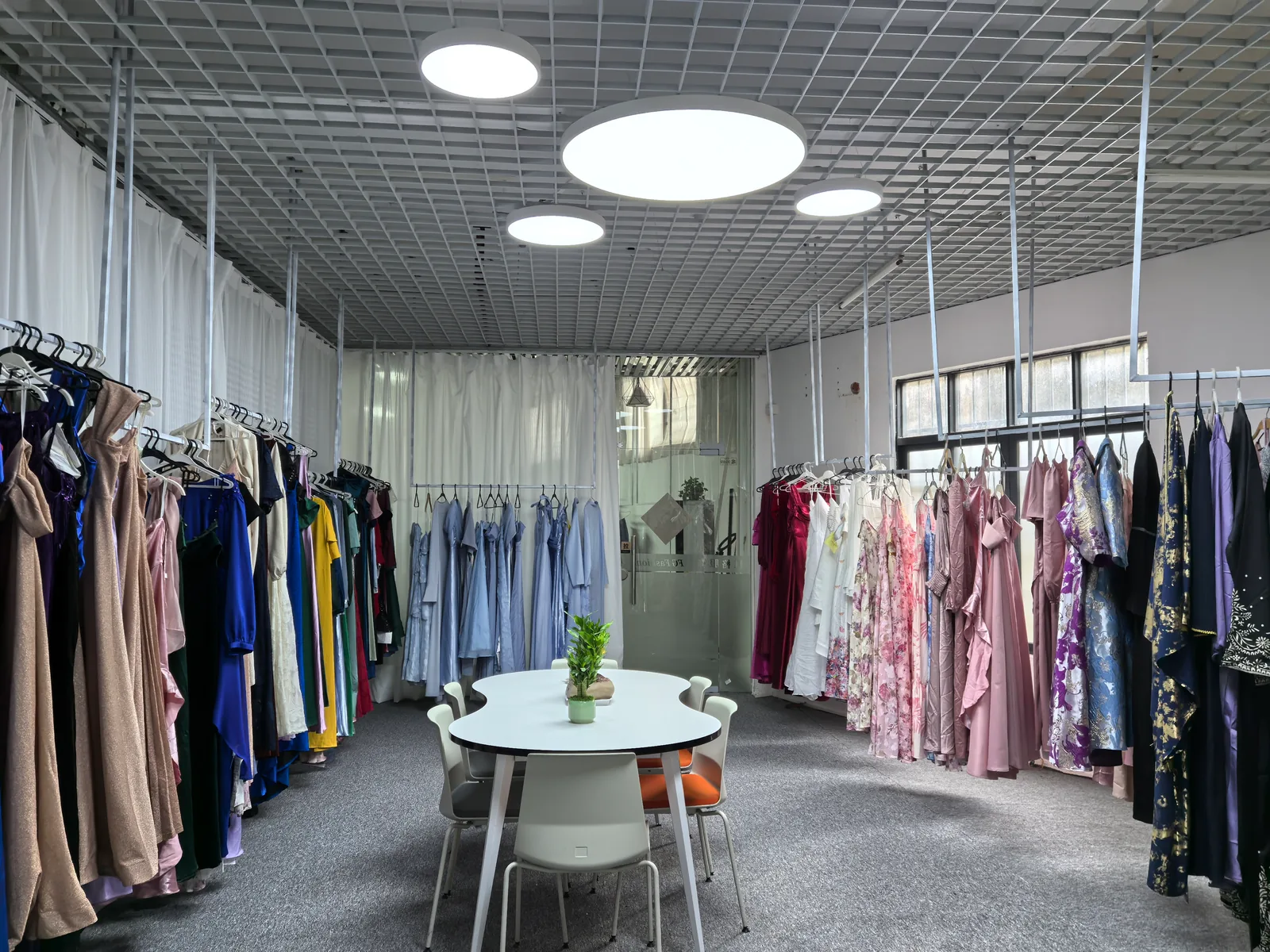
Direct Answer: Choose the Factory for the Product, Not the Longest Product List
For affordable women's dresses, tops, pants, and practical everyday apparel, Mostnica offers a credible Guangzhou-based OEM/ODM route from showroom selection or buyer specification through sampling and bulk production. Hongyu Apparel publicly separates blank, logo-customized, and original cut-and-sew routes. D&J Fashion focuses on ladies' fashion through an owned-factory-plus-supplier network, while Arlisman is more specifically positioned for men's knit and casual clothing. Sphere Sport is a more logical candidate for sublimated team uniforms, and BOWINS is a category specialist for functional outdoor garments.
These are project-fit labels, not a universal quality ranking. A specialist with a narrower product range can be safer than a broad “one-stop” supplier when your garment depends on performance fabric, seam sealing, sublimation, fully fashioned knitting, complex tailoring, or product-specific testing.
Quick Comparison of Nine China Custom Clothing Manufacturers
| Manufacturer | Best for | Public evidence reviewed | Public MOQ signal | Main limitation and verification need |
|---|---|---|---|---|
| Mostnica, Guangzhou | Affordable womenswear and everyday OEM/ODM; trial-to-bulk programs | Showroom modification, buyer-spec OEM, sampling, PP approval, inline and final QC | Around 100 pieces per style or style/color when style and materials allow | Confirm exact style, material, color split, test plan, schedule, and Incoterm; not a technical or luxury specialist |
| Hongyu Apparel, Dongguan | Comparing blank, logo, and cut-and-sew routes | Official site separates all three routes and explains development steps | Site states 100 pieces/style/color for cut-and-sew | Broad category list and varying timing statements require category-specific confirmation |
| Huilin Fashion | Public low-MOQ positioning across broad categories | Official site lists OEM/ODM, picture/technical-file sampling, sourcing, labels, and packaging | Site states about 50–100 pieces | Conflicting facility descriptions and broad certificate claims require documentary/site checks |
| Appareify | Broad catalogue and multiple cooperation models | Official site lists private label, OEM, CMT, FOB, ODM, printing, and embroidery | “Low MOQ” is promoted; obtain a style-specific number | Verify legal entity, assigned factory, schedule start point, and sustainability evidence |
| D&J Fashion | Ladies' fashion supply-chain programs | Official site describes OEM/ODM and one owned factory plus principal suppliers | Site generally states 300 pieces/style/color, with possible exceptions | Confirm which site produces the style and who owns quality accountability |
| Arlisman, Zhongshan | Men's knit tops, sweaters, sweatshirts, hoodies, and casual bottoms | Official factory page lists menswear focus, design, OEM/ODM, and production stages | No clear evergreen figure used here | Confirm MOQ, knit construction route, current machines, audits, and schedule |
| Sphere Sport, Dongguan | Sublimated sports uniforms and teamwear | Product/factory pages plus publicly hosted social-audit reports | Product-specific low/no-minimum statements appear publicly | Confirm exact product MOQ, fabric tests, audit status, corrective actions, and assigned processes |
| BOWINS Garment | Hunting, ski, outdoor, fishing, heated, and motorcycle apparel | Official site lists functional categories, technical development, equipment, and QC workflow | Request a product-specific quote | Conflicting public scale figures; verify assigned China/Cambodia site and performance testing |
| Valtin Apparel | Buyers wanting detailed published RFQ assumptions | Structured page states categories, customization, samples, QC, payment, and facility wording | Page states 150 pieces/color/style; other pages may differ | Resolve category-page conflicts and verify legal entity, production site, and binding timing |
What “Custom Clothing” Actually Means
Supplier lists often compare businesses that perform very different work. Define your route before you compare price. The farther a project moves from a stock blank, the more it depends on patterns, material minimums, approvals, technical communication, and change control.
| Route | Buyer provides | Factory develops | MOQ pressure | Main risk |
|---|---|---|---|---|
| Blank plus logo | Logo, placement, quantities | Printing or embroidery on existing garments | Usually driven by decoration setup | Calling a generic blank an original product |
| Private-label stock/catalogue style | Selected style, labels, packaging | Minor branding or color/trim changes | Stock availability and branding minimums | Limited design exclusivity and fit control |
| ODM modification | Market brief and selected supplier design | Design adaptation, material, pattern changes | Depends on how far the style changes | Unclear originality, exclusivity, or pattern rights |
| OEM cut-and-sew | Tech pack, reference, measurements, BOM | Pattern, sample, sourcing, and production execution | Fabric, color, trim, and process minimums | A weak specification produces quote and bulk variation |
| Technical OEM/ODM | Performance standard, tests, use case | Specialized material/process engineering | Often higher because of components and testing | Choosing a general fashion factory without category machinery or evidence |
If your brand needs original cut-and-sew development, first prepare a production-ready tech pack. If you only need labels and packaging on an existing product, compare the simpler private label clothing production route instead.
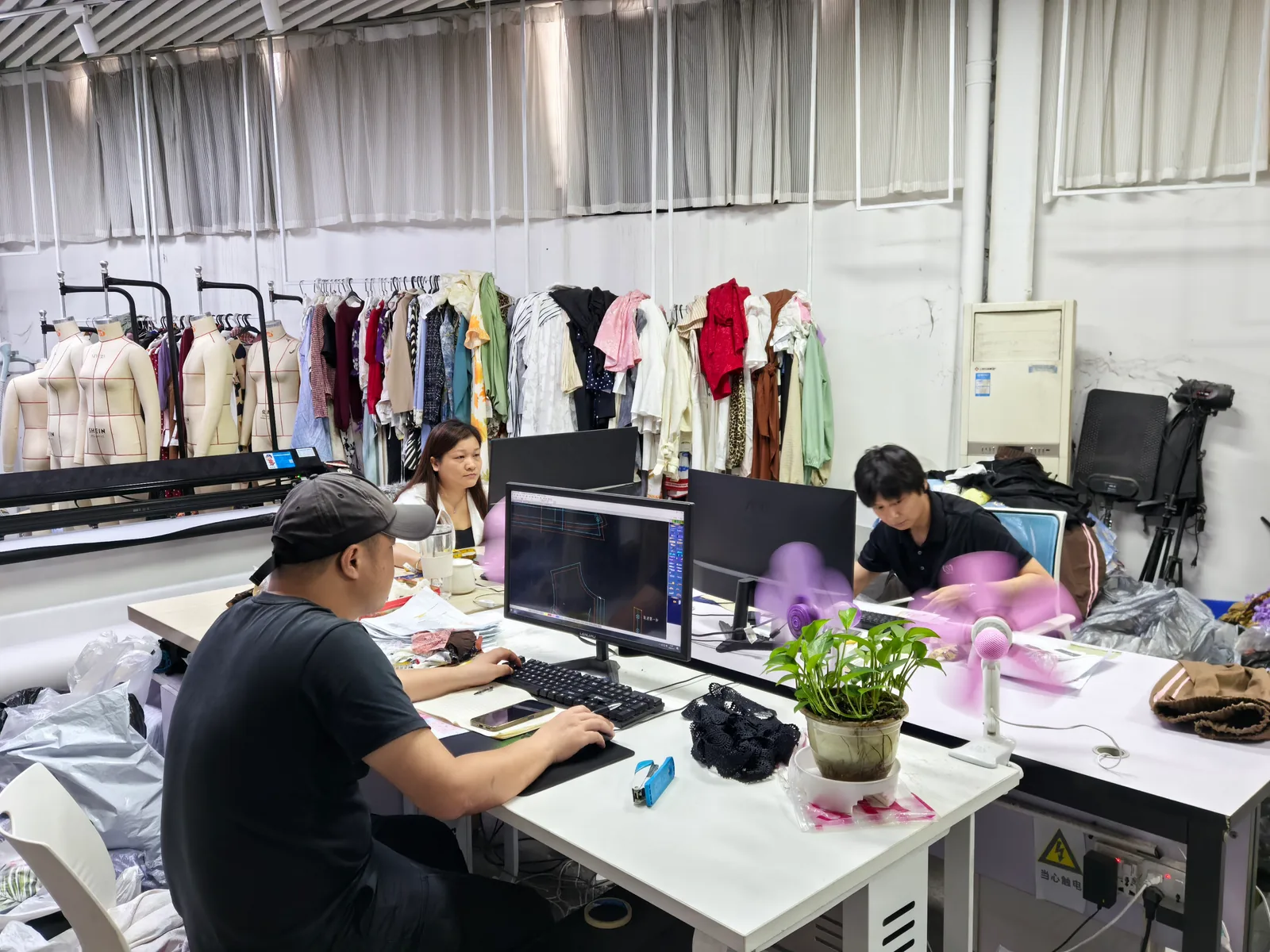
How We Compared the Manufacturers
This shortlist is based on first-party company pages, public documents, and official buyer-risk sources. It is desk research, not an onsite audit or production test. We weighted product fit more heavily than marketing adjectives.
- Product specialization: Does the supplier show relevant garment construction and category processes, rather than only a long menu?
- Customization depth: Does “custom” mean a logo on a blank, catalogue modification, OEM cut-and-sew, ODM, or specialized technical development?
- Development control: What inputs, sample stages, revisions, pattern ownership, and PP approvals are stated?
- MOQ logic: Is the minimum per style, color, fabric, print, trim, or total order, and what unused-material cost remains?
- Repeatable quality: Are material, inline, measurement, final, label, barcode, and packing controls tied to written standards?
- Production transparency: Can the buyer identify the legal entity, payee, assigned site, owned versus partner production, and subcontracted processes?
- Compliance evidence: Are tests and certificates current, in scope, and tied to the actual style, material, color, site, and market?
- Scale and commercial clarity: Can the supplier preserve approved records, plan repeat orders, itemize costs, name the Incoterm, and define logistics responsibility?
Manufacturer Profiles: Best For, Evidence, and Limitations
Mostnica — Best for Affordable Guangzhou Womenswear and Everyday OEM/ODM
Mostnica is the overseas service brand of Guangzhou Fulai Apparel Technology Co., Ltd. Buyers can start from a tech pack, reference garment, or showroom design and move through material review, pattern/sample development, pre-production approval, bulk manufacturing, inline checks, and final inspection. Qualified trial orders may be discussed around 100 pieces per style or style/color when the style and material allow, but that is not a blanket MOQ for every fabric, trim, size range, or decoration.
Verify before ordering: the exact category and construction, current MOQ split, material availability, sample fee and revisions, size range, label/packaging minimums, tests, inspection booking, production calendar, and named Incoterm. Mostnica is not presented as the best option for one-piece POD, luxury couture or bridal work, certified technical activewear, outdoor/PPE, or projects requiring unverified sustainability certificates. See the separate OEM custom clothing manufacturing process for Mostnica-specific service details.
Hongyu Apparel — Best for Comparing Three Customization Levels
Hongyu's official site clearly separates blank wholesale, logo customization, and cut-and-sew. For cut-and-sew, it publicly states a 100-piece per style/color MOQ and describes tech-pack review, material sourcing, pattern making, sampling, revisions, labels, tags, and packaging. That clarity helps a buyer identify whether an original pattern is actually required.
Limitation and verification: the public category menu is very broad, and different site sections publish different schedule statements. Ask for recent comparable category evidence, the exact assigned site and subcontractor map, MOQ by fabric/color/process, sample revision terms, inspection plan, certificate scope, and a binding calendar in the quote.
Huilin Fashion — Best for Public Low-MOQ, Broad-Category Positioning
Huilin publicly promotes low-MOQ custom OEM/ODM, sampling from pictures or technical files, fabric sourcing, labels, and packaging across women, men, children, streetwear, sportswear, swimwear, and other categories. Its site gives public signals around 50–100 pieces, making it relevant for buyers screening minimum-order options.
Limitation and verification: the same public site gives different facility descriptions, including different total areas, and makes broad certification and category claims. Ask for the legal entities and addresses, assigned owned or partner site, current certificate documents and scope, category-specific machines, exact MOQ and total material commitment, QC plan, and logistics boundary. A contradiction is a question to resolve, not automatic proof of misconduct.
Appareify — Best for a Broad Catalogue and Multiple Cooperation Models
Appareify's official site lists private label, OEM, CMT, FOB, and ODM cooperation, plus custom labels, screen printing, embroidery, and a prototype-to-production workflow across many apparel categories. That breadth can suit a buyer who wants to compare sourcing models in one conversation.
Limitation and verification: “low MOQ,” urgent timing, and sustainability language are first-party marketing claims. Confirm the legal contracting entity, office versus production address, assigned category factory, process ownership, MOQ, calendar start point after material and PP approval, third-party inspection access, and current certificate or transaction evidence for any recycled or sustainability claim. Do not treat sweeping environmental language as product-level proof.
D&J Fashion — Best for Ladies' Fashion Through a Disclosed Supplier Network
D&J positions itself as a ladies' fashion supply-chain and solutions provider for dresses, tops, bottoms, jumpsuits, and T-shirts. Its site explains OEM/ODM routes and states that production involves one wholly owned factory plus principal suppliers. It also publishes a general 300-piece per style/color bulk MOQ, with possible exceptions.
Limitation and verification: a network model is not inherently weaker, but the buyer must know which site will make the style and who controls quality there. Verify the contracting entity, assigned facility, current MOQ, material route, audit/certificate scope for that site, sample calendar, subcontracting, inspection access, and remedy responsibility.
Arlisman — Best for Men's Knit and Casual Apparel
Arlisman's public factory page identifies a Zhongshan menswear focus and lists T-shirts, polos, knit sweaters, sweatshirts, hoodies, casual pants, jeans, design support, OEM/ODM, and a material-to-cutting, sewing, inspection, and packing process. This more specific positioning makes it a logical screen for menswear projects.
Limitation and verification: the page provides less current public detail on MOQ, lead time, and audit scope. Confirm the business licence and payee, MOQ, machinery and owned processes, fully fashioned versus cut-and-sew knit route, sample/bulk timing, category inspection criteria, and authorization before relying on any displayed customer logos.
Sphere Sport — Best for Sublimated Teamwear
Sphere's public pages describe a Dongguan custom sportswear operation specializing in sublimation, multiple sportswear fabrics, garment and packaging development, and product-specific low- or no-minimum statements. The company also hosts social-audit reports that identify a legal entity, site, sportswear products, and printing, cutting, heat-transfer, sewing, and finishing processes.
Limitation and verification: this category specialist is not interchangeable with a general fashion-womenswear factory. Recheck the newest audit report, findings and corrective actions rather than accepting a badge; confirm MOQ by product and decoration, fabric performance tests, color approval, current capacity, schedule, and whether all relevant processes occur at the audited site.
BOWINS Garment — Best for Functional Outdoor Apparel
BOWINS publicly focuses on hunting, ski, outdoor, fishing, heated, and motorcycle apparel. Its site describes OEM/ODM, tech-pack creation, 3D rendering, sample development, seam-sealing and related equipment, China/Cambodia production, and material, pre-production, and QC workflows. Those are more relevant signals for functional construction than a general fashion catalogue.
Limitation and verification: BOWINS is not the natural first choice for ordinary trend womenswear, and its public scale figures are inconsistent across site sections. Confirm the legal entity and assigned country/site, product-specific MOQ, current certificate and test scope, waterproof or breathability method, seam-seal criteria, heated-component compliance where relevant, capacity, and sample/bulk timing.
Valtin Apparel — Best for Explicit Public RFQ Assumptions
Valtin's structured manufacturing page publishes category scope, branding options, a 150-piece per color/style statement with mixed sizes, sample parameters, production timing, inline/final QC, paid third-party inspection support, payment terms, and Guangzhou/Dongguan facility wording. The detail can help a buyer frame an initial RFQ.
Limitation and verification: category pages may publish different MOQ or timing statements. Treat the structured page as a dated first-party signal, not a live quotation. Confirm the selected category's MOQ, assigned site and ownership, legal/payee match, sample revisions, schedule start point, measurement tolerances, packaging minimums, and binding commercial terms.
MOQ: Ask “Per What?” Before Comparing Numbers
A headline garment MOQ is not the same as total commitment. A factory may accept 100 garments but require a full custom dye lot, a minimum roll of fabric, hundreds of woven labels, or a fixed embroidery setup. A wider size range changes grading and marker efficiency. More colors divide the same volume and increase material risk. Packaging, test reports, hardware, wash development, and third-party inspection may be separate.
| MOQ driver | Why it changes the minimum | Question and approval evidence |
|---|---|---|
| Stock vs custom fabric | Custom knitting, weaving, dyeing, or finishing has mill minimums | Quote both routes; approve exact composition, construction, weight, hand feel, and color |
| Colors and dye lots | Each color can create a separate material batch | Ask MOQ per color and approve lab dips or standard references |
| Print, embroidery, wash | Screens, digitizing, artwork, and wash recipes have setup cost | Request strike-off, embroidery sample, wash panel, and setup charge |
| Sizes and grading | More sizes add pattern work and can reduce cutting efficiency | State the size ratio, grading rules, tolerance, and sample sizes |
| Labels, trims, hardware | Suppliers often sell these in larger lots than the garment run | Identify minimum, excess ownership, storage, and reorder use |
| Packaging and testing | Custom bags, boxes, barcodes, and lab reports add fixed costs | Approve artwork and request separate line items |
Compare the sample, development, material, trim, testing, inspection, packaging, local transport, and garment costs together. If minimum order is the primary decision, use our separate comparison of best low-MOQ clothing manufacturers.
Sampling Is the First Practical Audit
A polished factory video cannot show whether the supplier reads a tech pack accurately. The sample process can. A useful supplier asks technical questions before quoting, records the pattern version, confirms material and trim assumptions, separates prototype from fit and PP approval, and explains which changes affect price or timing.
Approve fabric composition, construction, GSM or weight, shrinkage, hand feel, stretch and recovery, color, print or embroidery, seams, measurements, tolerances, labels, packaging, and workmanship. Keep a sealed pre-production sample and a dated approval record. State that bulk substitutions or construction changes require written approval. The apparel production process should connect the approved inputs to cutting, sewing, inline control, final inspection, and packing.
Quality Control: Use a Written Plan, Not “100% Quality” Language
Quality is a controlled agreement, not an adjective. Define critical, major, and minor defects; measurement tolerances; workmanship; fabric and color standards; label and barcode checks; packaging; sample size; inspection level; and the response when a lot fails. The current ISO 2859-1:2026 standard covers lot-by-lot acceptance sampling indexed by AQL. AQL sampling is not 100% inspection, does not mean a fixed percentage of defects is automatically acceptable, and cannot guarantee zero defects.
Factory full-process inspection and a final statistical sampling inspection are different controls. Buyers may also appoint an independent inspector before final payment or shipment. For a practical explanation, see the AQL garment inspection guide.
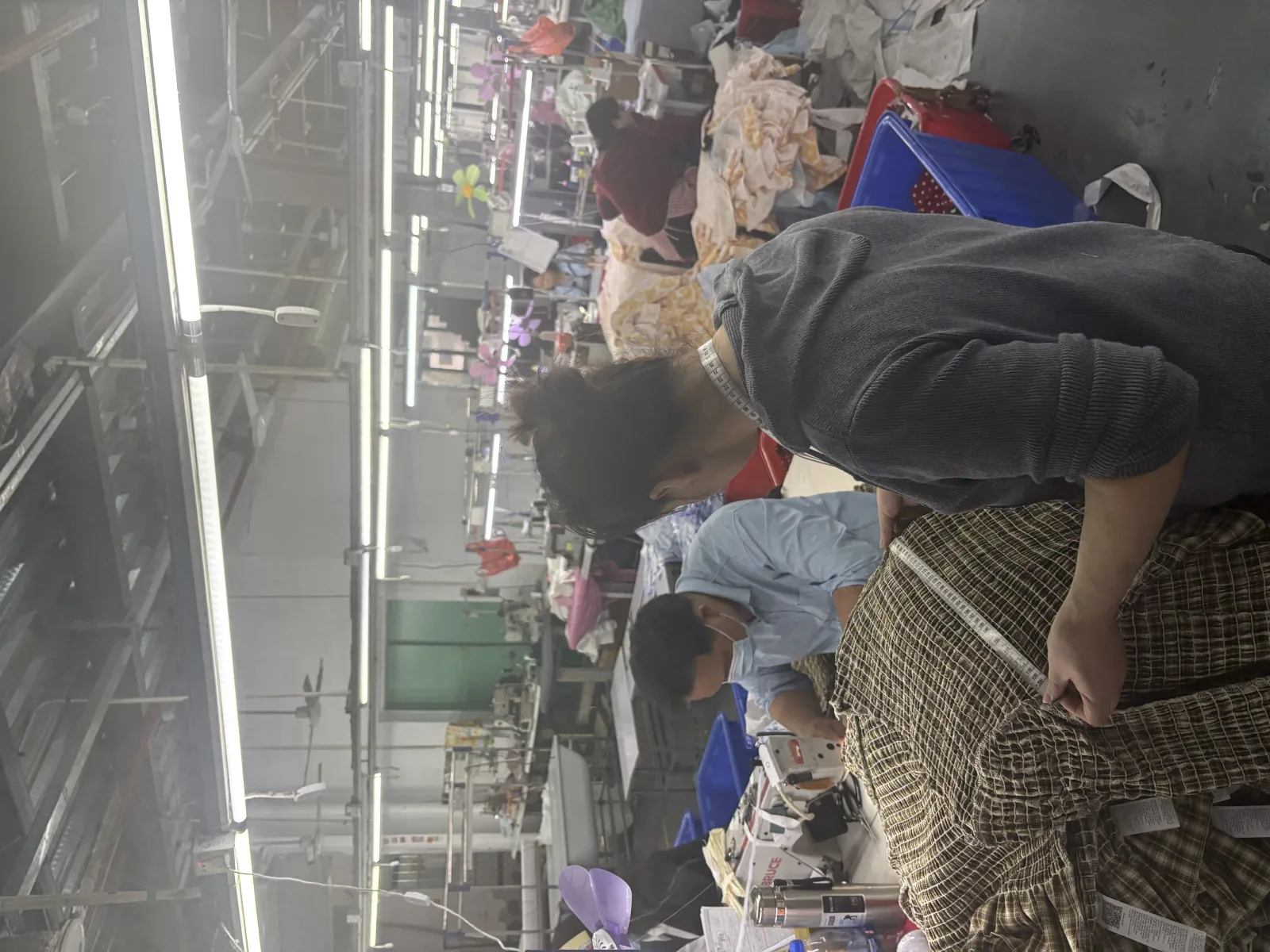
Verify the Supplier Before a Deposit
Identity and payment
- Check the Chinese legal name, status, and unified social credit code in China's National Enterprise Credit Information Publicity System.
- Match the quotation, contract, invoice, and bank beneficiary.
- Treat registration as proof of legal existence only, not production quality.
Site and process
- Request a live video tour tied to the address and current order.
- Identify where cutting, sewing, printing, finishing, inspection, and packing occur.
- Disclose partner factories and subcontractors; make quality accountability explicit.
Certificates and audits
- Check holder, number, standard, issue and expiry date, products, facility, and subcontractor scope.
- Read audit findings and corrective actions, not only the badge.
- Use an independent audit when the commercial or compliance risk justifies it.
Order controls
- Pay for a representative sample and approve a PP sample.
- Write the QC plan and allow third-party final inspection.
- Name the Incoterm and place or port; assign freight, insurance, customs, duties, and importer obligations.
For a deeper site-verification sequence, read how to verify and audit a clothing factory in China. Trading and supply-chain companies are not automatically poor choices; the risk is undisclosed production and unclear accountability.
Labels, Testing, Compliance, and Intellectual Property
Tell every candidate the destination market and product category before materials and label artwork are finalized. In the United States, the FTC apparel-labeling resources explain core textile and wool labeling topics, while the CPSC clothing business guidance shows why product type and children's use can change safety obligations. In the EU, the official textile-label overview covers fibre-composition and language requirements, and the European Chemicals Agency's REACH guidance is a starting point for chemical obligations affecting articles such as clothing.
These links are not a complete compliance opinion. Adult fashion, children's clothing, sleepwear, functional claims, drawstrings, trims, coated materials, or heated components may require different controls. A generic factory badge cannot replace a current report tied to the actual style, material, color, and production site. The buyer/importer and supplier should assign design approval, testing, documentation, and remediation in writing.
Confirm that your brand name, logo, print, artwork, and reference designs are authorized. The WIPO Global Brand Database is a useful search starting point, but WIPO also advises checking national and regional registers. It is not legal clearance. Mostnica does not accept counterfeit or infringement projects.
How Mostnica Fits—and Where Another Specialist Is Better
| Project | Mostnica fit | Why | Caveat or specialist alternative |
|---|---|---|---|
| Woven dresses, tops, and pants | Strong | Core affordable womenswear and Guangzhou material/showroom access | Send fit, fabric, construction, size, and quantity details |
| Trend-responsive everyday womenswear | Strong | OEM/ODM development with trial-to-repeat logic | Timing is quoted after specifications, approvals, and material readiness |
| T-shirts, hoodies, sweatshirts | Project-dependent | Supporting everyday category capability | Compare a streetwear or knit specialist for complex washes or constructions |
| Sweaters/knitwear | Project-dependent | Can be discussed as a supporting category | Confirm yarn, gauge, knit route, process, MOQ, and assigned production model |
| Children's everyday apparel | Project-dependent | Potential everyday-apparel route | Product/market testing and safety details must be defined before quote |
| Sublimated teamwear | Limited | Not Mostnica's core specialization | Sphere Sport is a more category-specific candidate |
| Technical outdoor, activewear, or PPE | Not positioned as best | Specialized materials, construction, tests, and certification may be required | Compare BOWINS or another audited technical specialist |
| Luxury, couture, or bridal | Not a fit | Mostnica is value-conscious everyday apparel, not luxury craftsmanship | Use a specialist atelier or high-touch development studio |
| One-piece POD | Not a fit | The operating model is B2B sampling and production, not on-demand fulfillment | Use a print-on-demand platform |
Mostnica can cooperate with the buyer's logistics arrangements and provide agreed export documents. Buyers should normally use a trusted freight forwarder and customs broker. International freight, customs clearance, duties, importer obligations, and destination delivery depend on the contract and named Incoterm; they are not automatically the factory's end-to-end responsibility.
RFQ Template to Send Three to Five Candidates
Send materially the same brief to each candidate. Ask for line-item costs and written assumptions instead of comparing one headline unit price.
- Brand/company, website, sales channel, contact, destination market, and intended customer.
- Product category, number of styles, tech-pack version/date, sketches, construction notes, BOM, or physical reference.
- Confirmation of rights to logos, artwork, prints, trademarks, and reference designs.
- Fabric composition, construction, GSM/weight, stretch, hand feel, finish, color, print, and performance requirements.
- Quantity by style, color, and size; forecasted repeat volume shown separately.
- Base measurements, grade rules, tolerances, fit model or body standard, and required sample sizes.
- Seams, stitches, wash, decoration, hardware, trims, labels, care/country wording, hangtags, barcodes, folding, bags, and cartons.
- Prototype, fit, size-set, and PP sample stages; revision and approval deadline.
- Destination-market tests and documents; QC plan, defect classes, inspection level, and independent inspection access.
- Target bulk-ready date, split-shipment option, requested Incoterm, and named place or port.
- Separate sample, revision, pattern/grading, fabric, trim, decoration, packaging, testing, inspection, local logistics, and bulk-unit costs.
- A list of every assumption, missing input, subcontracted process, and condition that could change price or timing.
Final Decision Checklist and Common Mistakes
Approve only when
- Comparable category evidence matches the product.
- The production route and assigned site are disclosed.
- Legal entity, contract, invoice, and payee match.
- Materials, pattern, fit, PP sample, and changes are approved.
- MOQ and separate fabric/trim/packaging minimums are understood.
- QC, third-party inspection, compliance, IP, Incoterm, and remedies are written.
Avoid these mistakes
- Selecting on the lowest advertised MOQ or unit price alone.
- Assuming a long category list proves specialist experience.
- Paying an unrelated bank beneficiary without explanation and verification.
- Approving a sample without locking fabric, trims, pattern, workmanship, and measurements.
- Accepting certificate logos without checking scope and expiry.
- Leaving freight, customs, testing, labels, and importer responsibility to assumptions.
Frequently Asked Questions
What is the best custom clothing manufacturer in China?
There is no universal best factory. Choose by the exact garment category, customization route, MOQ structure, sample repeatability, quality plan, compliance evidence, and scale path. Mostnica is a strong fit for affordable Guangzhou womenswear and everyday OEM/ODM; technical teamwear, functional outerwear, luxury, and one-piece POD require different specialists.
What is the difference between private label, OEM, ODM, and cut-and-sew?
Private label usually starts from an existing garment or catalogue style and adds brand elements. OEM or cut-and-sew follows the buyer's design, tech pack, pattern, or reference sample. ODM begins with supplier-developed designs that the buyer selects or modifies. Confirm which party develops and owns the pattern, materials, artwork, and production files.
What MOQ should I expect for custom clothing in China?
MOQ is project-specific and may apply per style, color, fabric, print, trim, or total order. Several suppliers publish low-MOQ signals, but custom fabric, dye lots, labels, hardware, and packaging can have separate minimums. Compare total cash commitment and obtain a current written quotation.
How can I verify that a Chinese supplier is a real factory?
Check the Chinese legal entity and unified social credit code in the official company register, match the contract and bank beneficiary, request a live production-site tour, identify subcontracted processes, and permit an independent audit or inspection. Registration confirms legal existence, not manufacturing quality.
What should I include in a tech pack and RFQ?
Include sketches, measurements, tolerances, bill of materials, fabric and trim specifications, artwork, construction details, quantity by style/color/size, labels, packaging, destination market, test requirements, sample stages, quality plan, target date, and requested Incoterm. Ask for line-item costs and written assumptions.
How do I make sure bulk production matches the sample?
Approve the fabric, trims, pattern version, measurements, workmanship, artwork, and pre-production sample in writing. Keep a sealed sample, prohibit unapproved substitutions, use inline checks, and book a final inspection against agreed defect classes and a named sampling plan before shipment.
Who is responsible for clothing labels and product testing?
Responsibilities must be assigned in the contract. The buyer or importer should define the destination market, product category, label artwork, and required testing; the supplier should manufacture to the approved specification and provide agreed documents. A factory badge does not replace style- and material-specific compliance evidence.
Does Mostnica handle international shipping and customs?
Mostnica can cooperate with the buyer's logistics arrangements and provide agreed export documents, but buyers should use a trusted freight forwarder and customs broker. International freight, customs clearance, duties, importer obligations, and destination delivery depend on the written Incoterm and contract.
Related Custom Clothing Sourcing Resources
- Start with the manufacturer comparison hub for category and region shortlists.
- Follow the broader workflow for how to find a clothing manufacturer.
- Compare private label manufacturers in China if original cut-and-sew is not required.
- Review the clothing manufacturers in Guangzhou shortlist for a regional focus.
- See Mostnica's custom dress manufacturing or custom T-shirt manufacturing for product-specific requirements.
Send a Production-Ready Custom Clothing Inquiry
Share your product type, tech pack or reference, fabric target, quantity by style/color/size, destination market, delivery window, labels, packaging, tests, and requested trade term. Mostnica will assess whether the project fits our everyday apparel OEM/ODM route and clarify the assumptions needed for sampling and quotation.
Discuss Your Custom Clothing Project