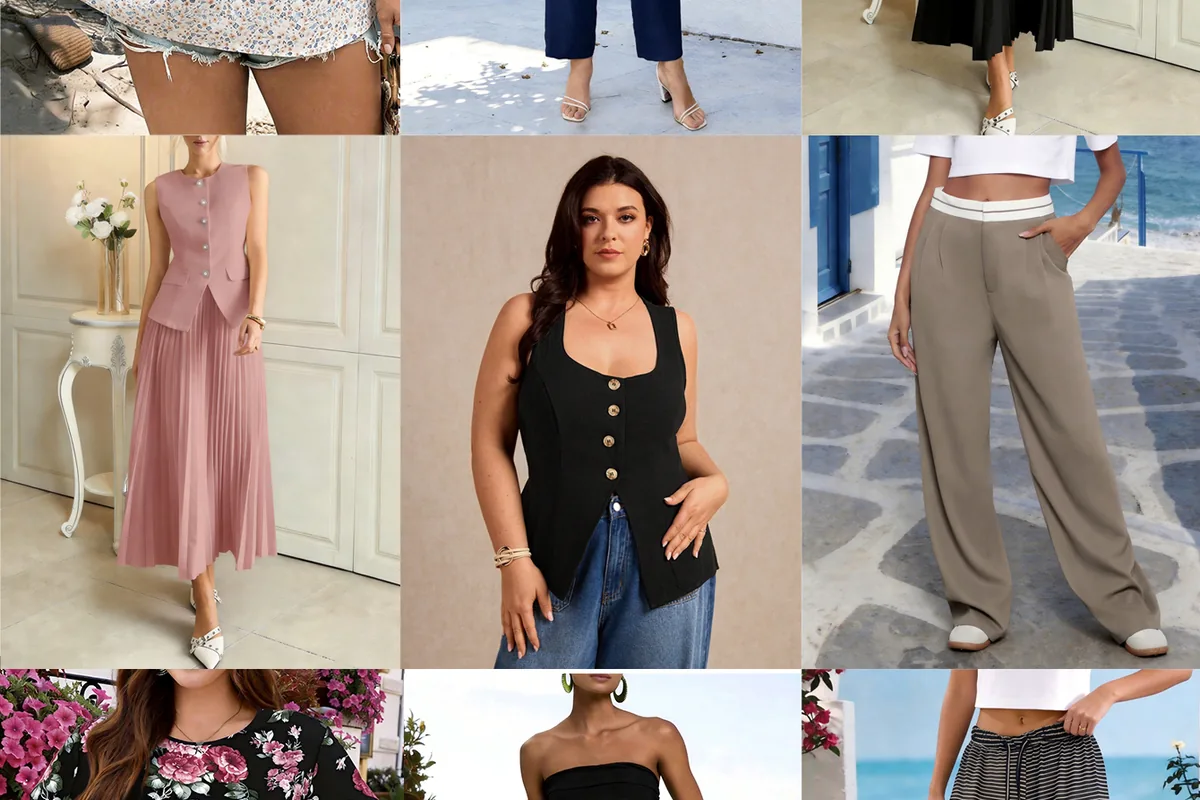
Best Plus Size Clothing Manufacturers: How to Compare Factories for Fit, MOQ and Private Label Production
Choosing the best plus-size clothing manufacturer depends heavily on what kind of buyer you are. From startups prioritizing low MOQ test runs to established brands needing large-scale private label production, evaluating fit capability and grading expertise is critical.
The Short Answer: The Best Supplier Depends on Your Buyer Type
In the highly demanding plus-size category, there is no single "best" factory for everyone. The best plus-size clothing manufacturer for a new brand launching five styles at low MOQ is very different from the best factory for a global wholesaler ordering 10,000 units.
The right partner depends entirely on your needs regarding pattern grading, size set testing, product categories (e.g., woven dresses vs. activewear), and whether you require a full-service OEM factory or a local studio for high-end bespoke garments.
Plus-size supplier comparison should look at real product range, grading control, fabric behavior, MOQ, and sampling discipline.
What Makes Plus-Size Manufacturing Different?
Producing plus-size clothing requires specialized technical knowledge that many standard manufacturers lack. You cannot simply take a size medium pattern and multiply the dimensions linearly.
Complex Pattern Grading: As sizes increase, human body proportions shift uniquely. Proper pattern grading must account for fuller busts, varying hip shapes, and non-linear waist expansions, rather than simply adding an inch everywhere.
Size Set Sampling: A good factory must be willing to produce physical samples not just in the base size, but across the smallest, middle, and largest sizes to physically verify the fit.
Fabric Selection and Stretch: Plus-size garments often require fabrics with excellent recovery and specific stretch percentages to ensure comfort without losing shape over time.
Strict Measurement Control: Controlling bust, armhole, shoulder, waist, hip, rise, sleeve opening, and sweep measurements during bulk production is critical for reducing fit-related e-commerce returns.
Criteria for Comparing Plus-Size Factories
When shortlisting suppliers for your plus-size line, evaluate them against these core criteria rather than just looking for the lowest price:
Criteria
Why It Matters
Questions to Ask the Factory
Fit & Grading Expertise
Poor grading leads to massive return rates.
"Can you work from my custom body measurement chart?" "Do you just scale up a straight-size block?"
MOQ Flexibility
Plus-size ranges often involve many sizes per style, making high MOQs restrictive.
"What is the MOQ when a style has 6 different sizes and 2 colors?"
Category Specialization
A factory great at T-shirts might fail at structured woven dresses.
"Which categories are you actually best at: dresses, activewear, or outerwear?"
Private Label Support
Brands need cohesive packaging and custom labels across all sizes.
"Can you manage custom neck labels, trims, and branded packaging?"
Quality Control (QC)
Ensuring consistent measurements across a large bulk run.
"How do you control armhole and sweep measurements during bulk production?"
Shortlist of Notable Plus-Size Clothing Manufacturers
Here is a breakdown of notable manufacturers and supplier types, highlighting their honest strengths and ideal buyer matches. Competitor notes are based on each supplier's public positioning rather than private audit data; buyers should verify current MOQ, fit process, and inspection terms directly before placing an order.
1. Mostnica Garment
Best for: Affordable Guangzhou-based OEM/ODM everyday plus-size womenswear.
Strengths: Highly effective for fast-fashion women's woven dresses, tops, pants, T-shirts, and hoodies. Mostnica offers practical OEM/ODM development with robust size-set sampling, strict measurement checks, AQL 2.5 final inspections, and scalable production starting from flexible trial MOQs.
Limitations: We are not a luxury bespoke atelier or a one-piece print-on-demand service. We focus on scalable B2B apparel production.
2. Hongyu Apparel
Best for: Broad China custom/private-label category coverage.
Strengths: Publicly positions itself around custom/private-label plus-size clothing and broad China category coverage. Buyers should confirm current category focus, sample process, size-set testing, and MOQ directly from Hongyu Apparel's plus-size page.
3. Yunli Apparel
Best for: Low-MOQ China multi-category plus-size testing.
Strengths: Based on Yunli Apparel's public shortlist content, the brand emphasizes plus-size supplier comparison criteria such as grading, fit testing, MOQ, fabric comfort, and QC.
4. Billoomi Fashion
Best for: India-based plus-size and private-label womenswear for small-to-mid programs.
Strengths: Publicly presents itself as an India-based plus-size and private-label apparel manufacturer. Buyers comparing India and China options can review Billoomi Fashion's plus-size manufacturer page and then compare MOQ, fabric sourcing, communication, and export terms.
Strengths: Focuses heavily on export-quality private-label manufacturing with an understanding of Western sizing needs.
6. UK/EU Wholesale Suppliers (e.g., Faire Network)
Best for: Ready wholesale plus-size boutique collections.
Strengths: Perfect for boutiques that do not want to design from scratch but want to buy ready-made, trend-relevant plus-size stock quickly.
7. US/Local Manufacturers
Best for: When domestic development proximity matters more than unit cost.
Strengths: Ideal for highly complex, premium garments where you need to visit the factory floor weekly and conduct in-person fit sessions.
How to Read Plus-Size Claims Carefully
A supplier saying "we make plus size" is not enough. Ask whether the factory uses a separate plus-size block, whether it can sample the base size and largest size, and whether it can follow your target market's body measurement data. Standards and studies such as ISO 8559-2:2017 and public SizeUSA-related research from Montclair State University show why body measurements and body shape variation matter. Garment measurements still depend on design ease, fabric stretch, cut, and intended styling.
Market-size reports from firms such as Grand View Research and Global Market Insights also show that plus-size apparel is a serious commercial category, but estimates vary by methodology. Treat those reports as demand signals, not as proof that every supplier can grade and fit plus-size garments well.
Plus-Size Fit Sample Rules Before Bulk Production
For plus-size apparel, a single base-size sample is rarely enough. Buyers should request a fit review plan that covers the base size, one middle size, and the largest size whenever the size range is broad. The largest size is especially important because armhole depth, shoulder balance, bust ease, waist placement, hip room, rise, sleeve opening, and garment length may all change in ways that are not visible from a smaller sample.
Fabric behavior should be tested with the pattern, not discussed separately. A stable woven dress, a rib knit top, a smocked waist, and a stretch jersey jumpsuit each require different ease and recovery decisions. If the buyer is extending a straight-size style into plus sizes, ask whether the factory will adjust the block or simply enlarge the same pattern. The second approach may look cheaper, but it often creates fit returns and poor customer reviews.
Decision Matrix: Which Supplier Type Fits Your Order?
Ready wholesale suppliers: Best when speed matters more than original design control.
Local sample studios: Best for complex fit development, frequent in-person fittings, and high-touch design work.
India-based private-label factories: Often worth comparing for small-to-mid womenswear programs and export private-label support.
China OEM/ODM factories: Strong fit for buyers who need fabric-market access, scalable sourcing, and repeatable bulk production.
Mostnica's fit: Affordable everyday plus-size womenswear where the buyer can provide a size chart, target fabric, sample plan, and realistic MOQ expectations.
The best supplier is the one whose operating model matches the order. A low-MOQ test range should not be judged by the same criteria as a 20,000-piece replenishment program. A domestic studio may be better for intensive first-pattern development, while an export factory may be better once the brand has a clear size chart, approved samples, and repeat demand. Use the shortlist as a starting point, then verify each supplier's current process.
For Mostnica, the strongest match is a buyer who wants affordable everyday plus-size womenswear, can share references or a tech pack, and is ready to approve samples before scaling. If your project requires couture fittings, certified sustainable materials across every component, or one-piece custom production, another supplier type may be more appropriate.
The goal is not to pick the longest supplier list, but to choose the manufacturer whose sampling discipline fits your brand's size promise.
For plus-size collections, supplier choice should also account for how the manufacturer handles feedback after the first fit sample. A strong partner will explain which corrections require pattern changes, which are fabric issues, and which can be handled through sewing adjustments. That transparency is often more valuable than a low first quote because the cost of poor fit usually appears later through returns, markdowns, and lost repeat customers.
How to Choose by Buyer Type
The Boutique Owner: If you run a local shop and need stock next week, use a wholesale marketplace. Do not attempt custom OEM manufacturing.
The Startup Brand: If you are launching original designs, look for flexible OEM partners like Mostnica that can discuss trial runs around 100 pcs/style when the style and materials support it before moving into larger bulk commitments.
The Scaling Fast-Fashion Brand: You need a factory with proven capacity, strict AQL 2.5 QC standards, and rapid sampling turnarounds to keep up with trends.
The Luxury Designer: Opt for a local, high-touch domestic studio where you can oversee every millimeter of the pattern grading personally.
Your Plus-Size RFQ Checklist
When sending a Request for Quotation (RFQ) to a factory, include the following to get an accurate response:
A complete Tech Pack detailing fabrics, trims, and construction.
A clearly defined measurement chart spanning your entire intended size range.
Specific questions about their sampling process for the largest sizes.
Your required MOQ broken down by style, color, and size.
Clear requirements for private labels, hangtags, and packaging.
Common Mistakes to Avoid
Many brands fail in the plus-size market due to these manufacturing missteps:
Approving only a Size Medium sample: Never move to bulk without testing the fit on your largest size. What fits a size 8 will not drape the same way on a size 22.
Ignoring fabric stretch limits: Selecting a rigid fabric for a pattern that relies on stretch for ease and comfort.
Squeezing the MOQ too hard: Demanding 15 sizes across 4 colors but only wanting to order 50 total pieces. Factories cannot survive on these margins without sacrificing quality.
Assuming standard sizing: Relying on outdated standard body measurements instead of defining your brand's unique target demographic and fit model.
Is Mostnica the Right Fit for Your Brand?
When we are a great fit:
You need affordable, everyday plus-size womenswear (woven dresses, tops, pants, T-shirts, hoodies).
You are looking for reliable OEM/ODM development from a factory based in Guangzhou.
You want proper size-set sampling, strict fabric inspection, and third-party audit support.
When we are not a fit:
You are looking for luxury couture or premium plus-size tailoring.
You require highly specific sustainability certifications (e.g., GOTS) for every garment.
You want guaranteed DDP shipping without utilizing a freight forwarder.
Can a factory just scale up a straight-size block for plus sizes?
No. Plus-size bodies do not scale linearly. A proper plus-size manufacturer must adjust the grade rules specifically for fuller busts, varying hip shapes, and larger armholes, rather than simply adding inches everywhere equally.
What is a standard MOQ for plus-size manufacturing?
MOQs for plus-size production depend on the supplier, style, fabric, trims, size range, and color split. Mostnica can discuss trial orders around 100 pieces per style when the style and materials support it, then scale into larger bulk programs when demand is proven.
Can plus-size manufacturers handle private labels?
Yes. The best plus-size manufacturers provide full private-label support, including custom neck labels, hangtags, and tailored packaging for your brand.
Start Your Plus-Size Production Today
Share your Tech Pack and size charts with Mostnica. We can help you navigate grading, sample your styles, and prepare for scalable bulk production.