Manufacturing Case Study
Apparel Production Case Study: From Sample Brief to Bulk Delivery
Discover the exact step-by-step workflow of how a representative womenswear or everyday-apparel project moves from reference images and technical briefs to fabric confirmation, pre-production sampling, bulk execution, quality inspection, and final delivery.
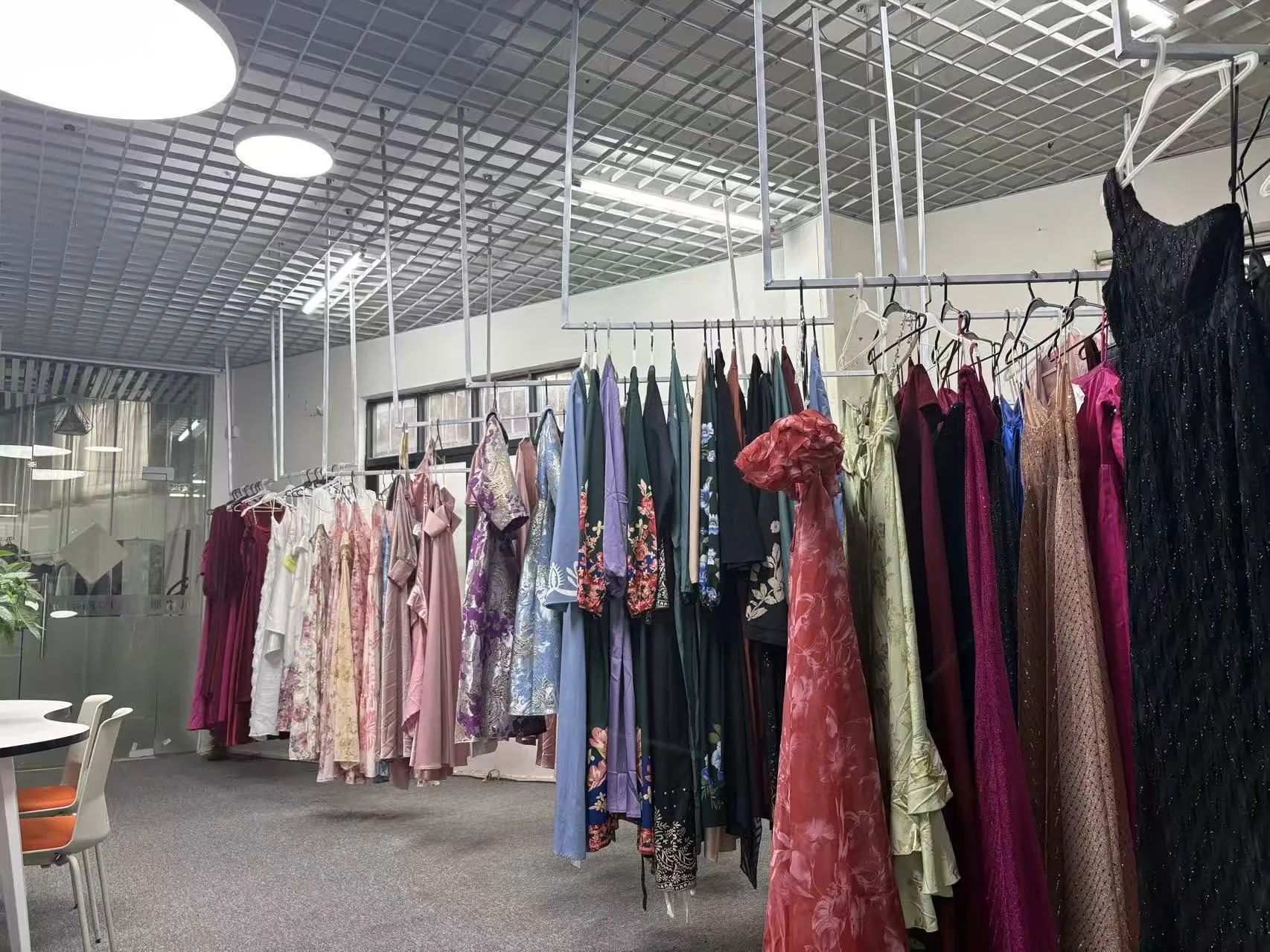
The Need for Production Transparency
When an emerging fashion brand or an established wholesaler transitions from sourcing ready-made inventory to creating their own custom apparel, the complexity of the production process increases exponentially. The stakes are significantly higher when moving into fully custom OEM (Original Equipment Manufacturer) cut-and-sew projects. Buyers are no longer just purchasing a product; they are managing a supply chain. At Mostnica Garment, a 16-year integrated trade-and-manufacturing apparel factory based in Panyu, Guangzhou, we understand these intricate challenges intimately.
Many buyers enter the manufacturing phase with a great design but without a clear understanding of how an apparel factory physically builds a garment at scale. Miscommunication at any stage—whether it's regarding fabric weight, pattern grading, or quality control parameters—can lead to costly delays and defective merchandise. This case study is designed to offer complete transparency. By outlining our core manufacturing processes, we provide clear evidence of how our factory controls a representative project from the very first sample brief through to international bulk delivery.
Case Background and Project Scope
To provide a clear, real-world example without compromising client confidentiality, the following workflow illustrates a representative scenario. It reflects the typical journey of an anonymous, mid-sized international buyer looking to produce a line of fast-fashion womenswear and everyday apparel. The buyer's goal is to scale up successfully validated styles with consistent quality, moving away from erratic wholesale purchasing to a more structured, reliable private-label production model.
In this representative case, the main risks involve ensuring color consistency across large dye lots, maintaining accurate sizing (especially for plus-size or curve ranges), and avoiding delays in trim sourcing. Note: The specifics detailed below represent our standard operating procedures, not a singular named customer result.
| Project Snapshot: Custom Apparel Manufacturing | |
|---|---|
| Product Type | Fast-fashion womenswear & everyday apparel (Woven dresses, tops, pants, knit T-shirts, and hoodies) |
| Buyer Goal | Achieve consistent sizing, repeatable quality, and scalable production for private label lines |
| MOQ Logic | Trial orders starting around 100 pcs/style; typical bulk orders scaling from 3,000 to 50,000 pcs/style (Total factory capacity: ~600,000 pcs/month) |
| Sample Inputs Required | Tech packs, physical reference images/samples, target size charts, fabric preferences, target price, and timeline |
| Quality Control Focus | AQL 2.5 standard, incoming fabric inspection, first-piece checks, inline inspection, and final AQL random sampling |
| Delivery Boundary | Default FOB (Free On Board) or EXW (Ex Works); we strongly recommend utilizing the buyer's freight forwarder for customs and destination-side risk management |
Stage 1: Inquiry and Feasibility Review
The success of any bulk production run is determined long before a needle ever pierces fabric. The process begins with the Inquiry and Feasibility Review stage. When a buyer approaches Mostnica Garment, our primary objective is to evaluate whether we can meet their design, quality, and pricing requirements within their desired timeframe. We do not accept orders blindly; we assess feasibility to protect both the buyer's investment and our factory's efficiency.
To conduct a thorough review, we require specific inputs. The gold standard is a complete Tech Pack—a document that includes flat sketches, Bills of Materials (BOM), measurement specs, and grading rules. However, we know that many startups do not have formal tech packs. In these cases, we accept high-resolution reference images, physical reference samples, basic size charts, fabric preferences, a target price point, and a delivery timeline. Our in-house development team reviews these inputs to determine the construction complexity, required fabric yields, and the realistic cost of manufacturing. If the project is viable, we provide a preliminary quote and a timeline for sample development.
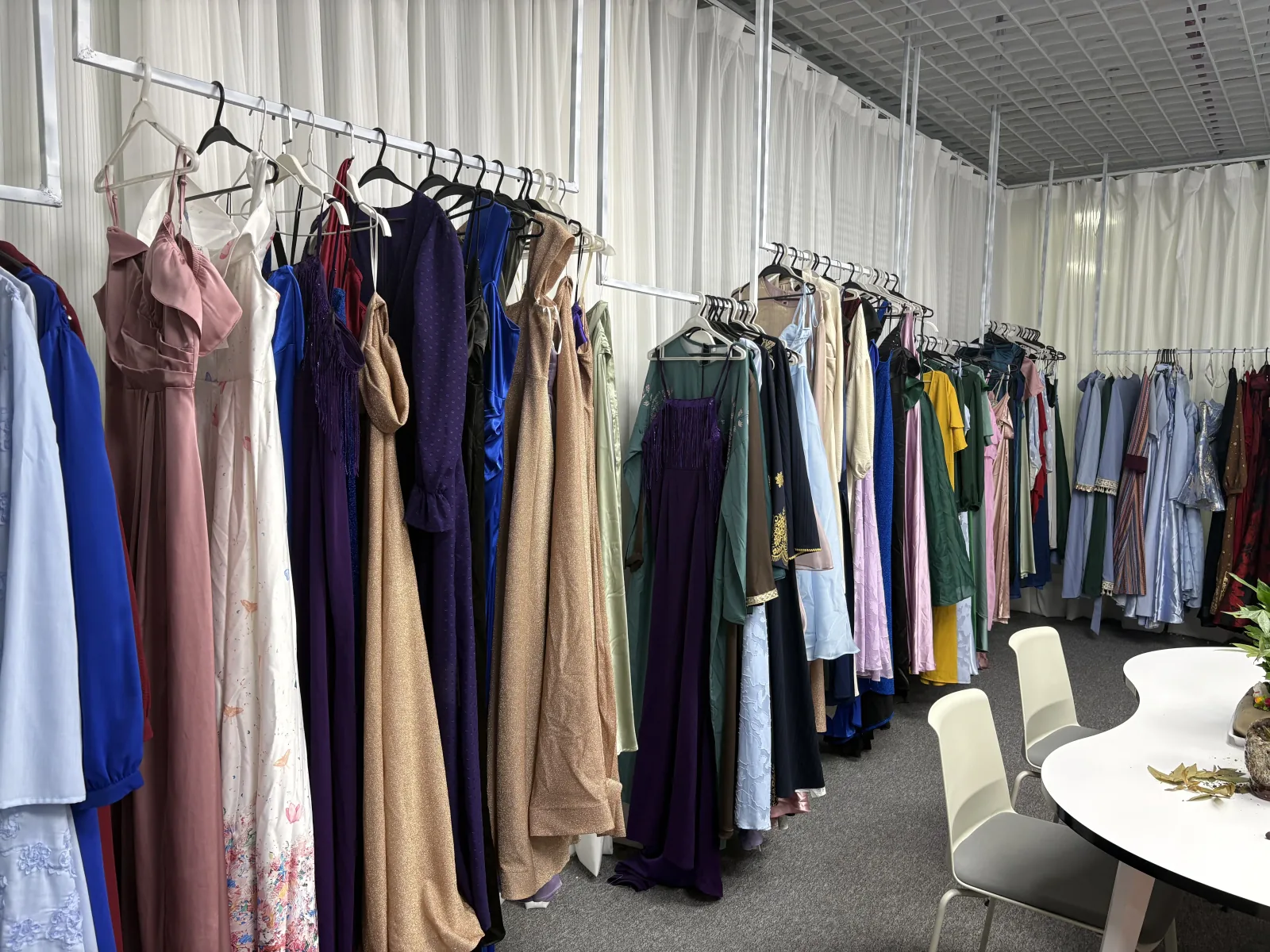
Stage 2: Fabric and Trim Confirmation
Once the initial quote is approved, we move to fabric and trim sourcing. As a factory based in Guangzhou, we possess a significant strategic advantage: direct proximity to the Zhongda fabric market, the largest textile sourcing hub in the world. This location allows us to rapidly compare readily available Guangzhou stock fabrics against custom-milled materials.
For trial orders of around 100 pieces per style, we typically source high-quality stock fabrics. This bypasses the high Minimum Order Quantities (MOQs) usually required for custom weaving and dyeing, allowing brands to test the market quickly. For bulk orders (3,000 to 50,000 pieces), we shift to custom fabric production to ensure exact Pantone color matching, specific fabric weights, and customized stretch capabilities. During this stage, buyers receive fabric swatches (or lab dips for custom colors) and trim options (buttons, zippers, labels) for physical approval. We also conduct internal testing for shrinkage and colorfastness to ensure the material will perform correctly during bulk garment washing.
Stage 3: Pattern and Sample Development
With materials selected, the physical creation of the garment begins. This multi-step process is crucial for finalizing the fit and construction details.
- The Proto Sample: First, our master pattern makers draft the initial pattern. We then produce a Prototype (Proto) Sample, usually made from available fabric that closely mimics the final material. The goal here is to review the overall silhouette, design lines, and general construction.
- The Fit Sample: Once the Proto is reviewed (often on a fit model or mannequin), adjustments are made to the pattern. We then create a Fit Sample using the actual chosen fabric. This allows the buyer to evaluate how the specific drape and stretch of the real fabric affect the garment's fit.
- Size Sets: For brands focusing heavily on inclusive sizing (such as plus-size apparel), we highly recommend producing a Size Set—samples made in the smallest, middle, and largest sizes to verify that the grading rules scale perfectly without distorting the garment's proportions.
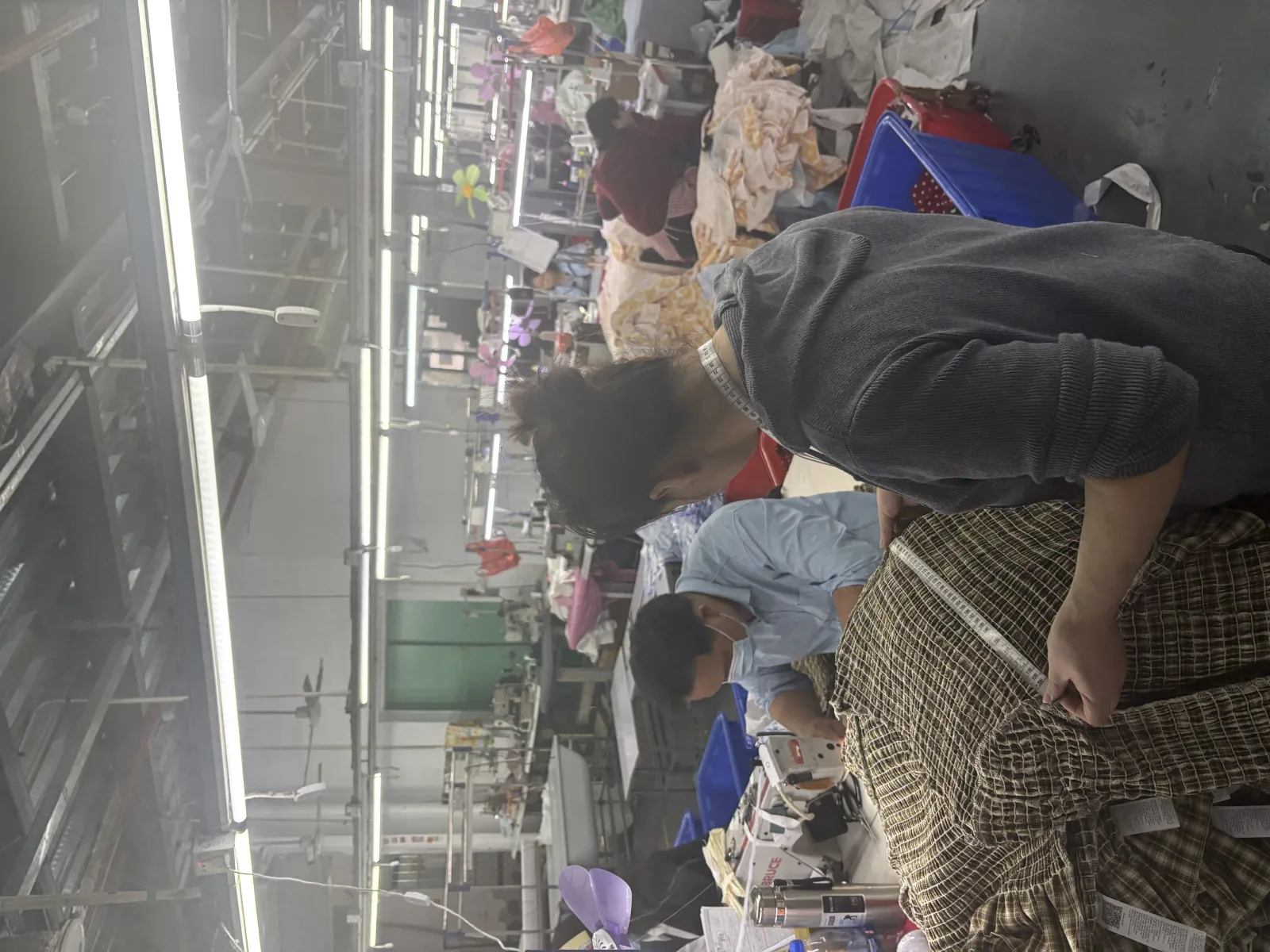
Stage 4: Pre-Production Meeting and Sealed Sample Approval
The climax of the development phase is the creation of the Pre-Production (PP) Sample. This sample is crafted using the final bulk fabric, the exact bulk trims, and the finalized sewing techniques. It represents the absolute standard for the entire bulk production run.
Upon the buyer's approval of the PP Sample, it becomes the "Sealed Sample." We hold an internal Pre-Production Meeting with our cutting room managers, sewing line supervisors, and QC teams. The Sealed Sample is placed on the production floor as the unchangeable benchmark. During this meeting, we discuss potential manufacturing bottlenecks, emphasize critical construction points (such as specific seam allowances or reinforcement stitches), and distribute detailed operation sheets to the production lines.
Stage 5: Bulk Production, Inspection, and Delivery
With planning complete, we execute the bulk production. While ordinary sampling takes around 5 days, our bulk production turnaround is typically around 12 days, provided all materials are in stock and approval nodes are cleared.
- Cutting: Fabrics are relaxed (to prevent later shrinkage) and then cut using high-precision equipment. We utilize optimized markers to minimize fabric waste.
- Sewing & Inline Inspection: The cut panels move to the sewing lines. Here, we implement hourly QC patrols and first-piece checks. As garments are assembled, inline inspectors check stitch density, seam strength, and measurement consistency, catching and correcting any deviations immediately.
- Final Inspection: Once garments are fully assembled, trimmed of loose threads, and pressed, they undergo final inspection. We operate under the internationally recognized AQL 2.5 (Acceptable Quality Limit) standard for major defects. We also fully support and accommodate third-party factory audits from agencies like SGS or QIMA.
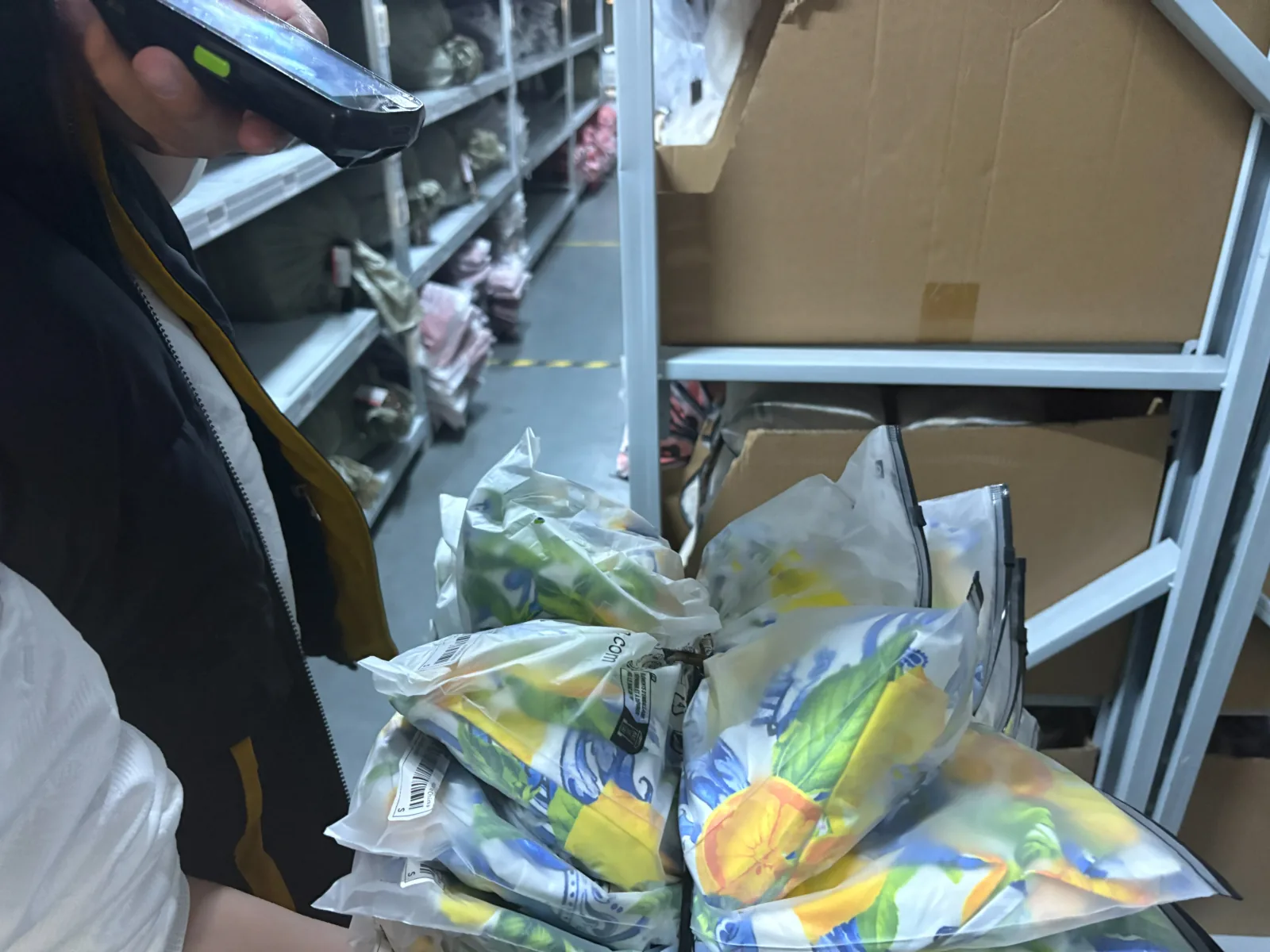
- Packing & Logistics: Approved garments are folded, bagged, and packed into export-grade cartons. We utilize barcode scanning to ensure packing accuracy. Finally, the goods are handed off to logistics. Our default delivery boundaries are FOB (Free On Board) or EXW (Ex Works), and we strongly advise buyers to utilize their own trusted freight forwarders to manage international shipping, customs clearance, and destination-side risks.
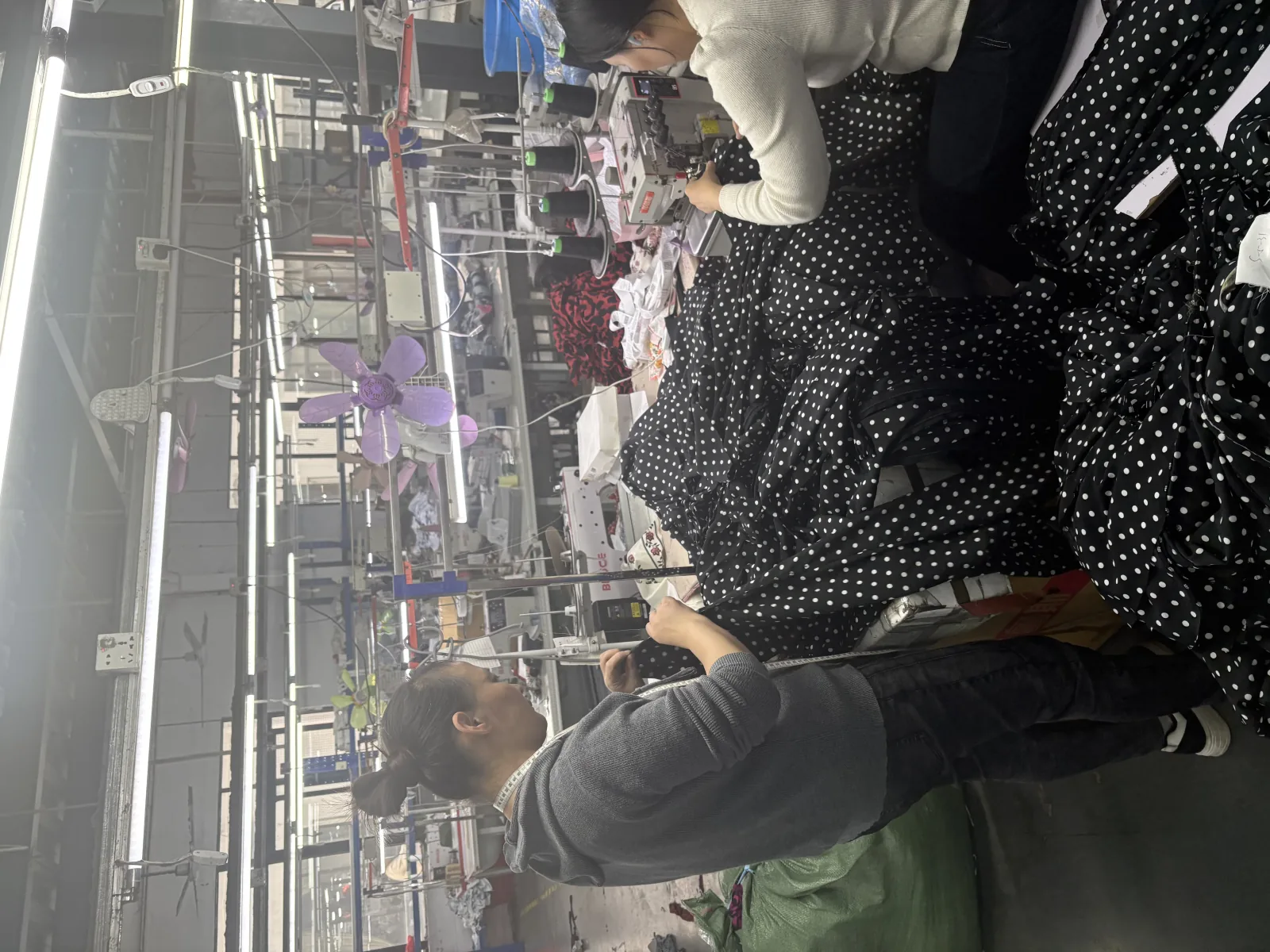
Managing Manufacturing Risks
Apparel manufacturing is inherently complex, and variables always exist. What separates a reliable partner from a risky one is how those variables are managed. Below is our standard risk control matrix.
| Mostnica Risk Log and Control Actions | ||
|---|---|---|
| Color Variation | Different dye lots can result in noticeable shade differences, ruining cohesive collections. | We require strict lab dip approvals. Incoming fabric is inspected under standardized light boxes before cutting to ensure consistency. |
| Fabric Shrinkage | Garments that shrink after the first wash lead to severe customer dissatisfaction and high return rates. | We conduct comprehensive wash tests during the PP sample stage and enforce fabric relaxation and pre-shrinking protocols before cutting. |
| Size Deviation | Inconsistent sizing across the same labeled size destroys consumer trust in the brand's fit. | We apply strict pattern grading rules, mandate routine inline measurement checks, and verify dimensions during final AQL 2.5 inspections. |
| Trim Delay | Missing buttons, custom zippers, or labels can halt an entire production line, delaying delivery. | We utilize parallel sourcing, ordering custom trims immediately upon project initiation to ensure they arrive before the main fabric cutting phase. |
| Packaging Error | Mislabeled polybags or mixed SKUs in cartons cause massive fulfillment chaos at the destination warehouse. | We implement strict barcode scanning protocols prior to dispatch and utilize standardized packing lists to ensure 100% carton accuracy. |
The Mostnica Fit: Who We Serve Best
Transparency also means being honest about what we do best. Mostnica is highly optimized for fast-fashion womenswear and everyday apparel (including basic woven dresses, tops, pants, T-shirts, and hoodies). Our flexible supply chain is designed to support brands scaling from 100-piece trial orders up to 50,000-piece volume runs quickly and efficiently.
Conversely, we are not the right fit for highly specialized technical outdoor gear requiring seam-sealing technologies, luxury haute couture gowns that require hundreds of hours of hand-beading, or certified Personal Protective Equipment (PPE). By focusing on our core strengths, we guarantee efficiency and quality for the clients who fit our profile.
Frequently Asked Questions
What if I don't have a professional Tech Pack?
While a Tech Pack is ideal, it is not strictly required. We regularly work with buyers who provide high-resolution reference images, physical samples from other brands, target size charts, and detailed written descriptions. Our in-house development team will help translate these inputs into a workable manufacturing plan.
How long does the sampling process take?
Ordinary sampling (creating a Proto or Fit sample from readily available materials) typically takes around 5 days. If you require custom printed fabrics, specialized custom dyeing, or unique branded trims, the timeline will extend to accommodate the production of those specific raw materials.
Why is the Pre-Production (PP) Sample so important?
The PP sample is the definitive contract for bulk quality. It uses the exact bulk fabric and trims and represents exactly what the final production run will look and feel like. Approving the PP sample locks in the standard, allowing us to proceed with mass cutting safely.
Are 100-piece trial orders treated differently than large bulk orders?
The fundamental quality control steps—such as pattern verification, inline checks, and final inspection—remain the same. The main difference lies in fabric sourcing; trial orders utilize high-quality stock fabrics available in the Guangzhou markets to bypass the high minimums required for custom-milled textiles.
Will I have visibility into the production progress?
Absolutely. We prioritize transparent communication. You will receive updates during key milestones: when fabric arrives, when cutting begins, during sewing, and upon final inspection. We frequently share photos and videos from the production floor to keep you informed.
Who is responsible for international freight and customs?
Our standard pricing boundaries are EXW (Ex Works) or FOB (Free On Board). This means our responsibility covers manufacturing and delivering the goods to the designated port or carrier in China. We strongly advise buyers to contract their own dedicated freight forwarder to handle international shipping, customs clearance, and DDP (Delivered Duty Paid) logistics to mitigate destination-side risks.
Ready to Start Your Production Case Study?
Send us your tech packs, reference images, target quantities, and timeline to receive a comprehensive feasibility review and quote.
Submit Your Project Brief