Understanding Different Types of Wholesale Clothing Vendors
When searching for a wholesale clothing vendor, buyers often use the same term to describe completely different business models. A wholesale vendor generally falls into one of four categories:
- Ready-Made Stock Wholesalers: These vendors hold large inventories of pre-manufactured, unbranded, or generically labeled apparel. They offer immediate shipping and low MOQs, making them ideal for boutiques testing new styles.
- Closeout Sellers: Businesses that purchase excess inventory or canceled orders from factories and brands, selling them at a heavy discount. Sizing is often broken, and styles cannot be restocked.
- Private-Label Suppliers: These vendors provide blank or pre-designed garments that can be customized with your brand's labels, tags, and minor details. This model bridges the gap between ready-made wholesale and custom manufacturing.
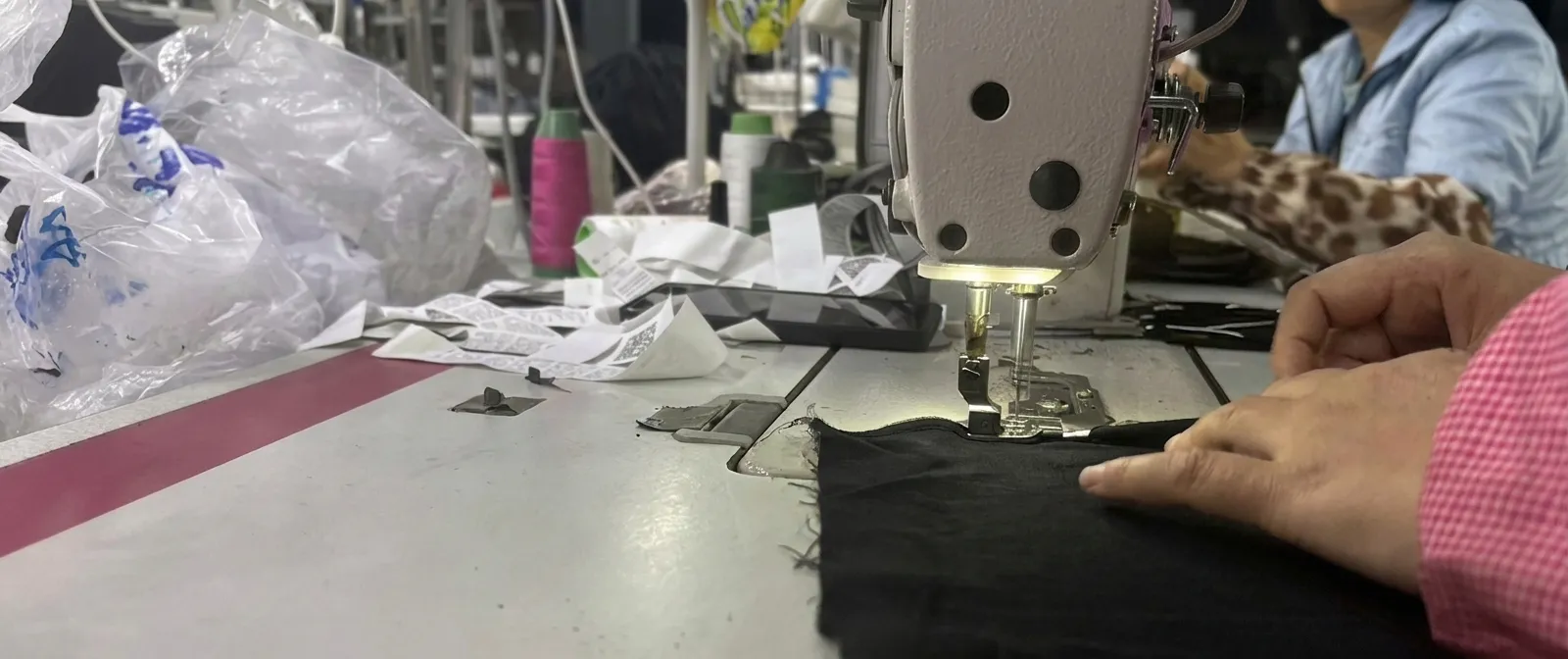
- OEM/ODM Factories: A true OEM clothing manufacturer produces garments from scratch based on your tech packs, size charts, and fabric choices. This requires higher MOQs and longer lead times but offers complete brand control and higher profit margins at scale.
Vendor Type Comparison: Wholesale vs. Private Label vs. OEM
Choosing the right vendor depends on your speed requirements, budget, and brand vision. Below is a comparison to help you evaluate your options.
| Feature |
Ready-Made Wholesale |
Private Label |
OEM Custom Manufacturing |
| Speed to Market |
Immediate (3-7 days) |
Moderate (2-4 weeks) |
Slower (4-8 weeks) |
| MOQ (Minimum Order) |
Low (e.g., 6-12 pcs) |
Medium (50-100 pcs/color) |
Higher (100-300+ pcs/style) |
| Brand Control |
None (Generic labels) |
Low to Medium (Custom tags) |
High (Complete custom design) |
| Profit Margin |
Lower (Retail markups) |
Moderate |
Highest (Factory direct FOB) |
| Inventory Risk |
Low (Buy what you need) |
Medium |
Higher (Commitment to bulk) |
| Best Fit For |
New boutiques, trend testing |
Private label brands scaling up |
Established brands, large scale drops |
If you are just launching a boutique, start with ready-made wholesale. If you are building a distinctive brand identity with specific sizing and fabric requirements, a bulk clothing manufacturer like Mostnica offering OEM and private label services is the superior choice.
Critical Wholesale Purchasing Criteria
When evaluating a wholesale clothing vendor, do not make decisions based solely on the cheapest price. Consider these critical purchasing criteria:
- MOQ (Minimum Order Quantity): Ensure the vendor's MOQ aligns with your cash flow and storage capacity. Look beyond unit cost and calculate the total investment required.
- Size Ratio: Many wholesalers sell in pre-packed ratios (e.g., 2 Small, 2 Medium, 2 Large). Check if this aligns with your customer demographics, or if you can buy open-stock sizing.
- Replenishment Stability: Fast-fashion trends move quickly. If a style sells out, how fast can the vendor restock it? True factories have higher replenishment stability than marketplace resellers because they control the sewing lines.
- Quality Consistency: Are the seams straight? Are the measurements consistent across sizes? Requesting physical samples before placing a large bulk order is mandatory to verify quality.
- Return Policy & Defect Rates: Understand the vendor's policy for defective items. Reputable factories work to AQL 2.5 standards for major defects, ensuring a controlled acceptable defect rate.
- Lead Time: Factor in production and shipping times. International sea freight takes longer but costs less than air freight. Always build a buffer into your launch schedule.
Supplier Verification Checklist & Crafting a Bulk RFQ
Before committing to a bulk order, you must vet the supplier. Use this checklist during your initial factory sourcing phase:
- Business Identity: Are they a factory or a trading company? Verify their business license, factory address, and core competencies.
- Sample Quality: Always buy a sample to test the fabric feel, drape, colorfastness, and stitching quality.
- Sizing Standards: Do they use Asian, US, or EU sizing? Do they provide a clear and detailed size chart with grade rules?
- Material Specs: Confirm fabric composition (e.g., 100% cotton, 95% poly 5% spandex), weight (GSM), and shrinkage rates.
- Packaging: Do items arrive individually poly-bagged with proper warning labels? Are hangtags securely attached?
- Payment Terms: Standard OEM terms are 30% deposit and 70% balance before shipment. Be wary of suppliers demanding 100% upfront for custom manufacturing.
- Shipping Terms: Clarify Incoterms (e.g., FOB, EXW, DDP) and ensure you understand who is responsible for customs and duties.
What to include in a Bulk Apparel RFQ (Request for Quote):
When approaching an OEM or private-label vendor, provide a clear brief: Target product category (e.g., woven dresses), tech pack or detailed reference images, comprehensive size chart, desired fabric composition and weight, target order quantity per style/color, and expected delivery timeline. The more detailed your RFQ, the more accurate and fast the quotation will be.
International Sourcing and Logistics Boundaries
Understanding shipping terms (Incoterms) is crucial when dealing with overseas wholesale clothing vendors. The logistics boundary defines who holds the risk and cost at each stage of the delivery process.
- EXW (Ex Works): The buyer assumes all responsibility and costs from the moment the goods leave the factory floor. You arrange the pickup and handle all export paperwork.
- FOB (Free on Board): The factory covers the cost and risk of clearing customs and loading the goods onto the ship or plane at the port of origin (e.g., FOB Guangzhou). The buyer takes over the freight costs and destination risks from there. This is the most common and recommended term.
- DDP (Delivered Duty Paid): The supplier handles all shipping, customs, and duties to your door. While convenient, it often includes a markup on shipping costs.
As an integrated trade-and-manufacturing factory, Mostnica's default boundary is FOB. However, we strongly recommend that buyers engage their own trusted freight forwarder for international shipping, customs clearance, and DDP services to manage destination-side risks effectively.
Why Choose Mostnica for Bulk Apparel?
Mostnica is the overseas service brand of Guangzhou Fulai Apparel Technology Co., Ltd. With 16 years as an integrated trade-and-manufacturing factory based in Panyu, Guangzhou, we are not a marketplace stock platform—we are a direct production partner.
- Production Fit: Ideal for branded bulk apparel, trial-to-scale drops, private-label, and OEM/ODM everyday apparel.
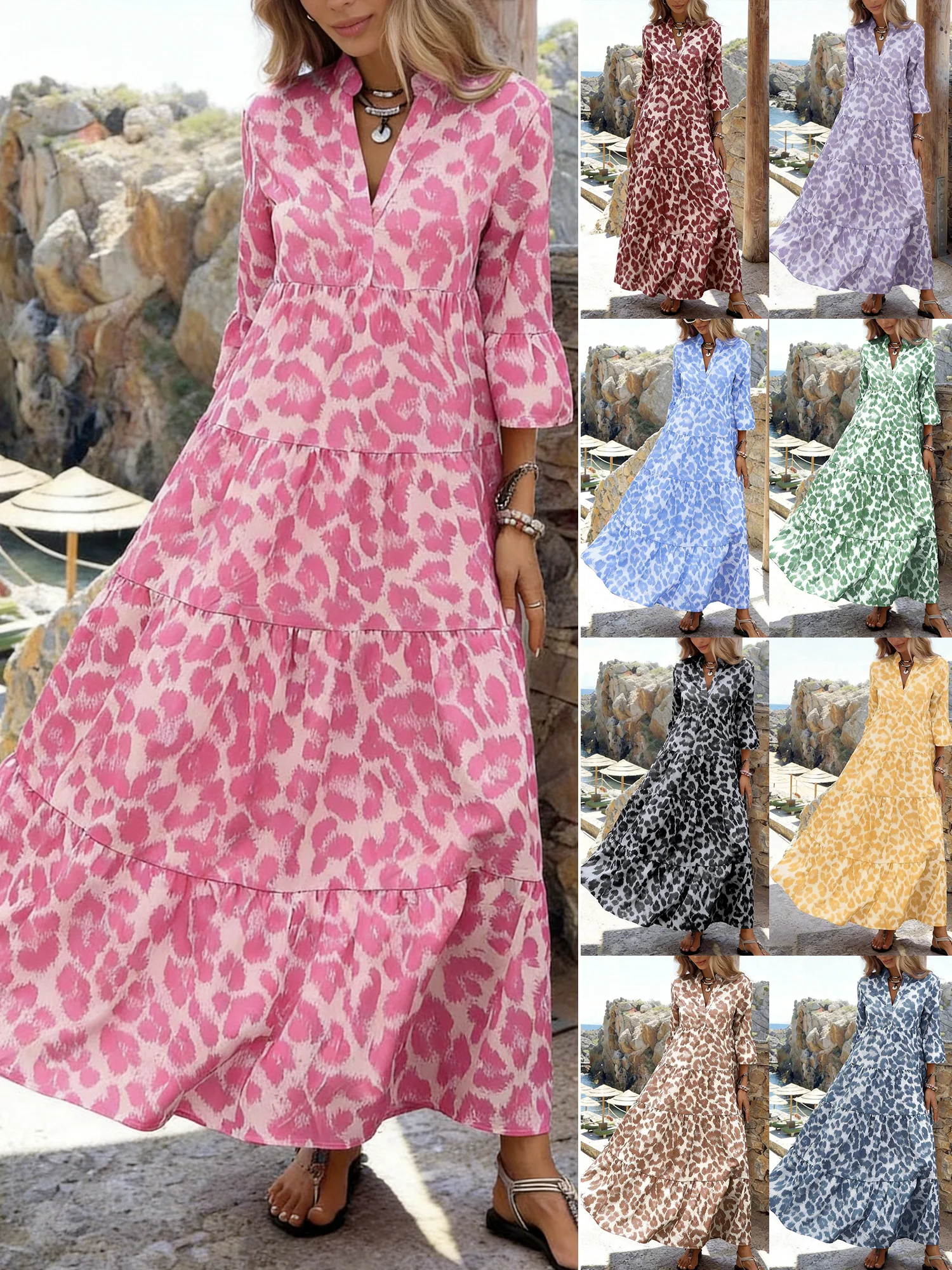
- Core Categories: Fast-fashion womenswear, woven dresses, tops, pants, with knit T-shirts and hoodies as supporting lines. Explore our products and categories.
- Scale & Capacity: We handle trial orders of around 100 pcs/style, up to typical bulk orders of 3,000-50,000 pcs/style, with a total monthly capacity of approximately 600,000 pieces.
- Quality Control: We enforce strict AQL 2.5 standards, conducting incoming fabric inspection, first-piece checks, inline inspection, and final sampling inspection.
- Supply Chain Support: In-house development team, vast Guangzhou fabric-market resources, and an ODM showroom for rapid style selection and modification.
Frequently Asked Questions
What is the difference between a wholesale vendor and a manufacturer?
A wholesale vendor typically sells pre-made, ready-to-ship inventory in bulk, often sourced from various factories. A manufacturer (like Mostnica) physically cuts and sews the garments. Manufacturers can offer wholesale stock, but their core strength is custom OEM/ODM production.
Can I negotiate MOQ with a clothing vendor?
For in-stock wholesale, MOQs are usually fixed and already low. For custom production, MOQ is determined by the fabric supplier's minimums and the efficiency of the sewing line. While we support trial orders of ~100 pcs/style, significant MOQ negotiation typically requires using in-stock Guangzhou fabrics.
Can a wholesale vendor put my brand's labels on their stock?
Yes, this is known as private labeling. If the vendor operates as a factory or has finishing capabilities, they can replace generic tags with your custom woven labels and hangtags, provided you meet their minimum order requirements.
How do I manage inventory risk when buying bulk apparel?
To minimize inventory risk, start with a trial order (~100 pcs) using our fast-fashion supply chain. Once the style is validated by your customers, you can scale up to larger bulk orders (e.g., 3,000+ pcs) for better pricing margins.
How is quality inspected before my bulk order ships?
Reputable factories conduct internal inspections. Mostnica uses AQL 2.5 standards for major defects, performing first-piece checks, hourly inline patrols, and final random sampling. We also support independent third-party factory audits.
Is Mostnica a good fit for a new boutique?
We are a great fit if you are an established boutique or brand looking to produce exclusive styles, private-label fast-fashion, or scale validated designs. If you only need 3-5 pieces per style of open-market stock, a local ready-made wholesale distributor might be a better starting point.