Women's Clothing Manufacturer in Guangzhou: OEM and ODM Production
Mostnica develops and produces affordable women’s apparel for brands, wholesalers, and sourcing teams. Based in Panyu, Guangzhou, we support OEM briefs and showroom-based ODM modifications for woven dresses, tops, pants, and related everyday apparel. Start with your product, quantity by color, target price, and delivery window so the proposal matches the collection you intend to sell.
Guangzhou Factory Development and Production
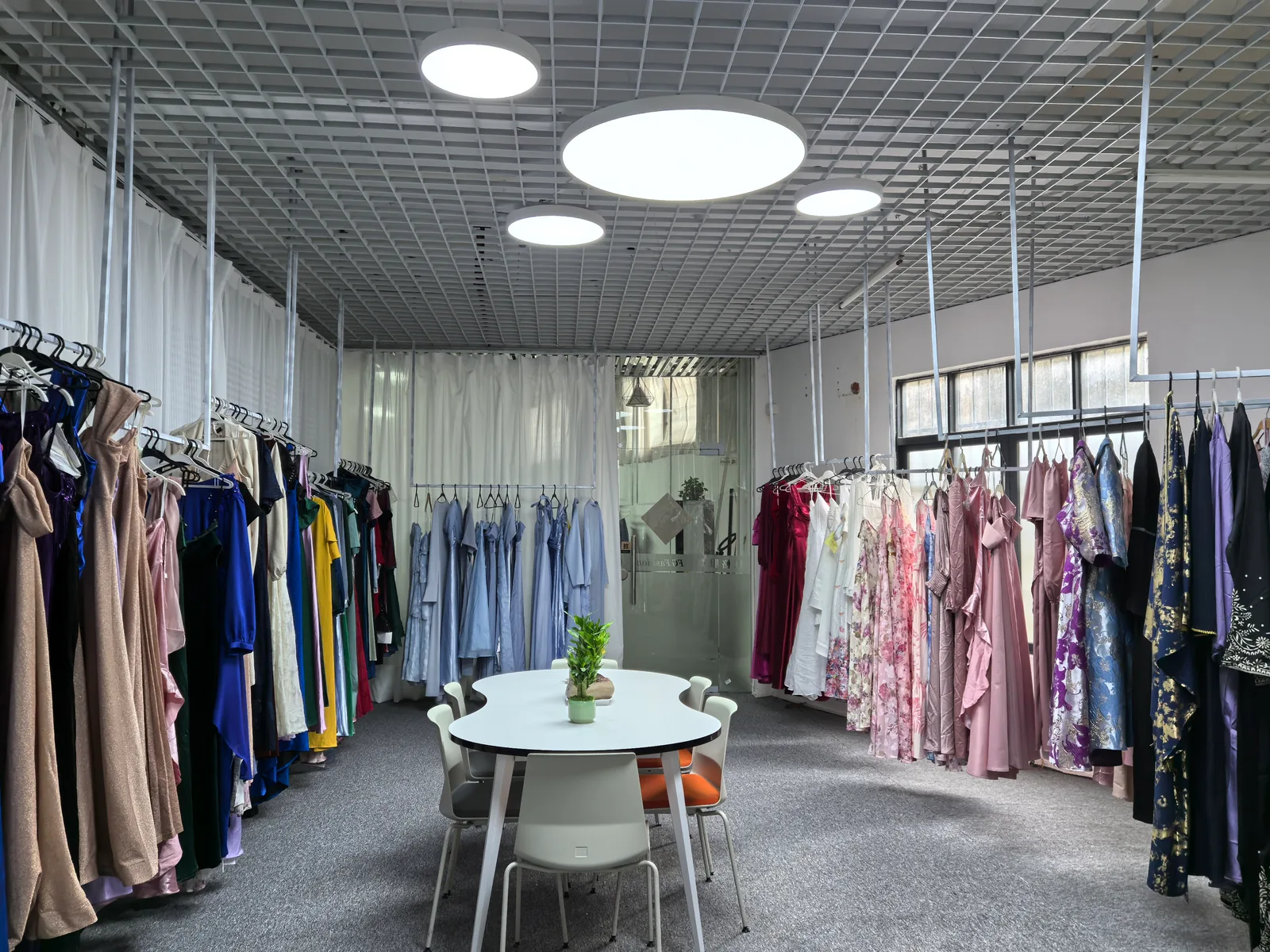
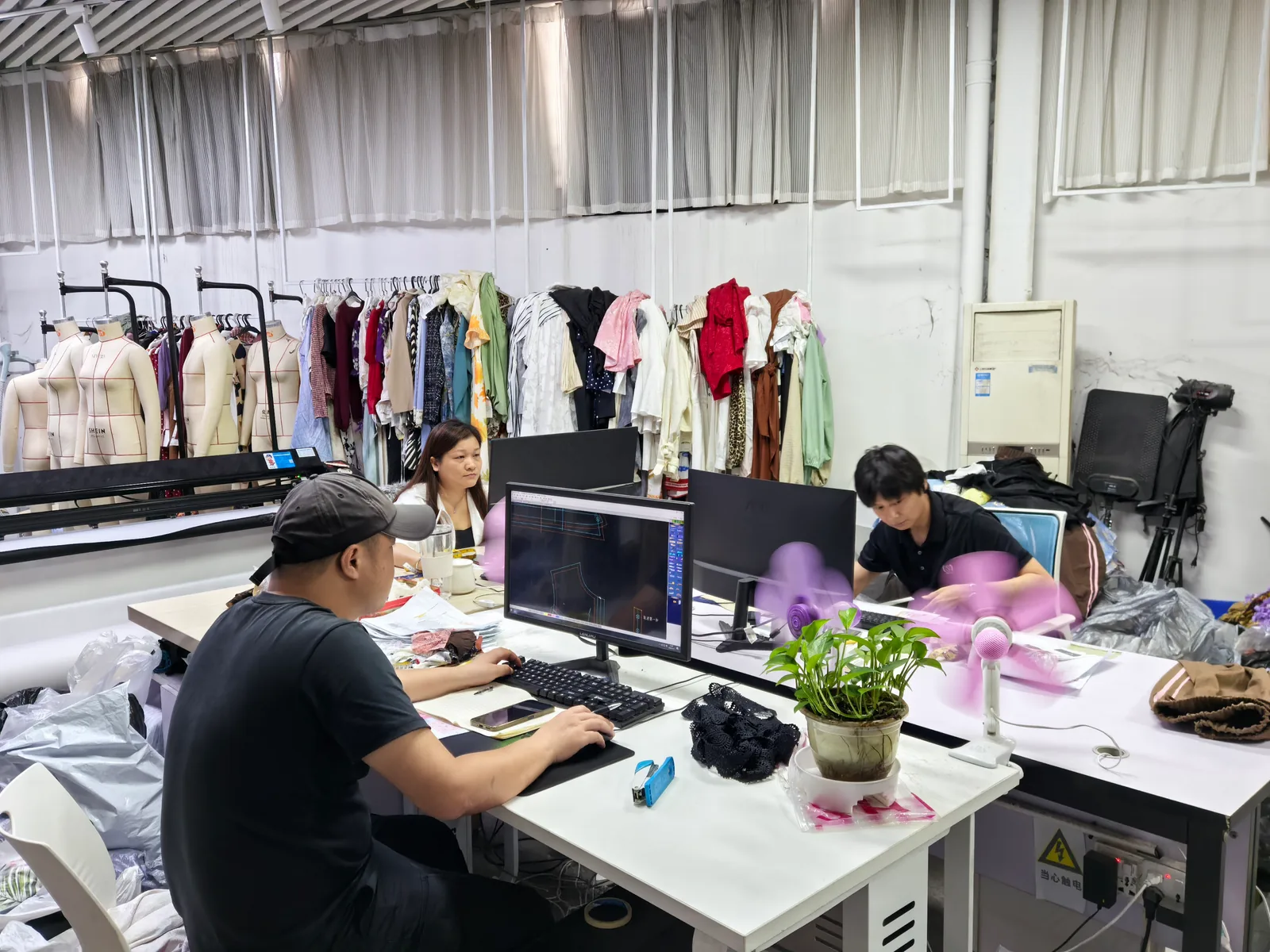
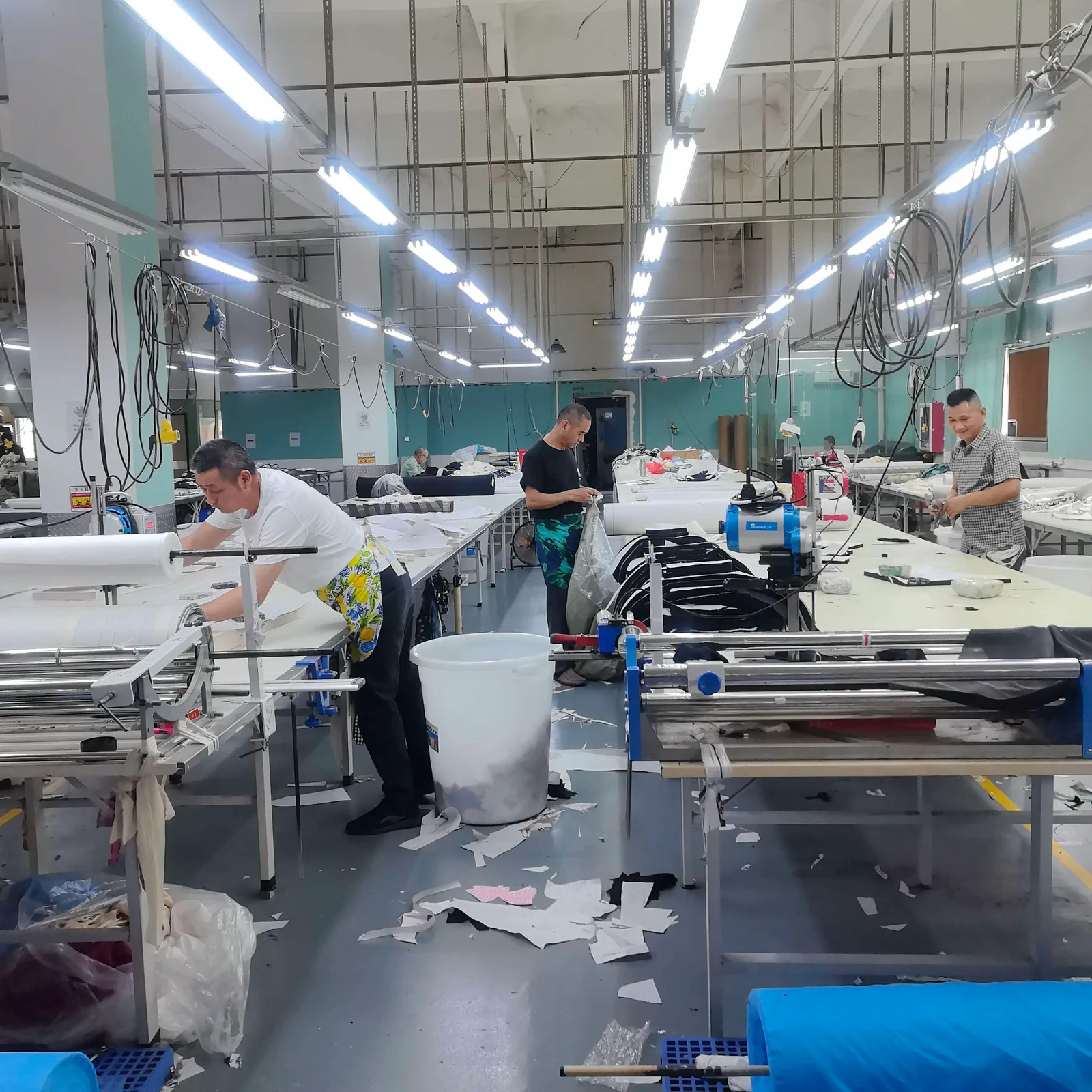
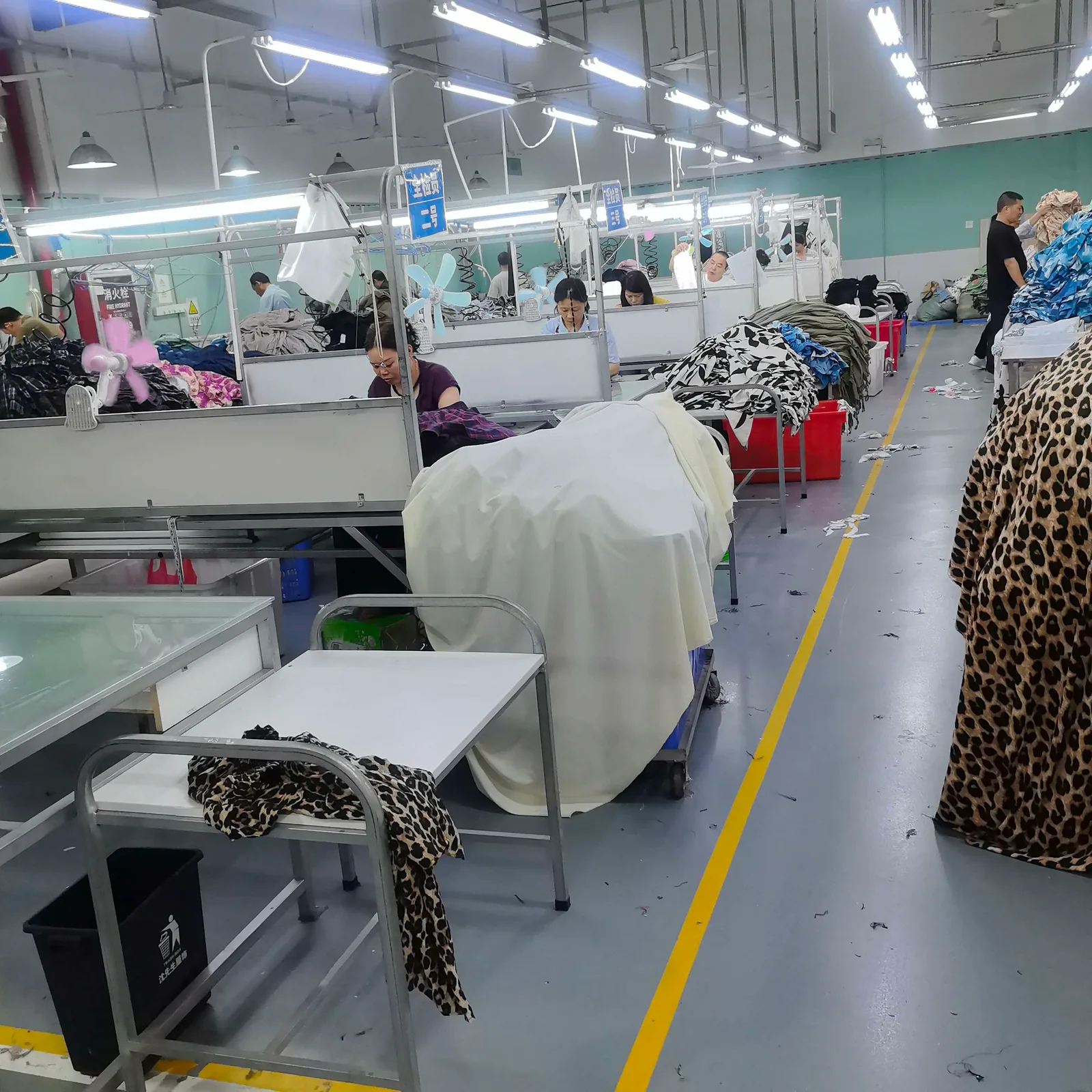
Factory visibility helps buyers understand how samples move from showroom review and pattern making into cutting, sewing, inspection, and warehouse preparation.
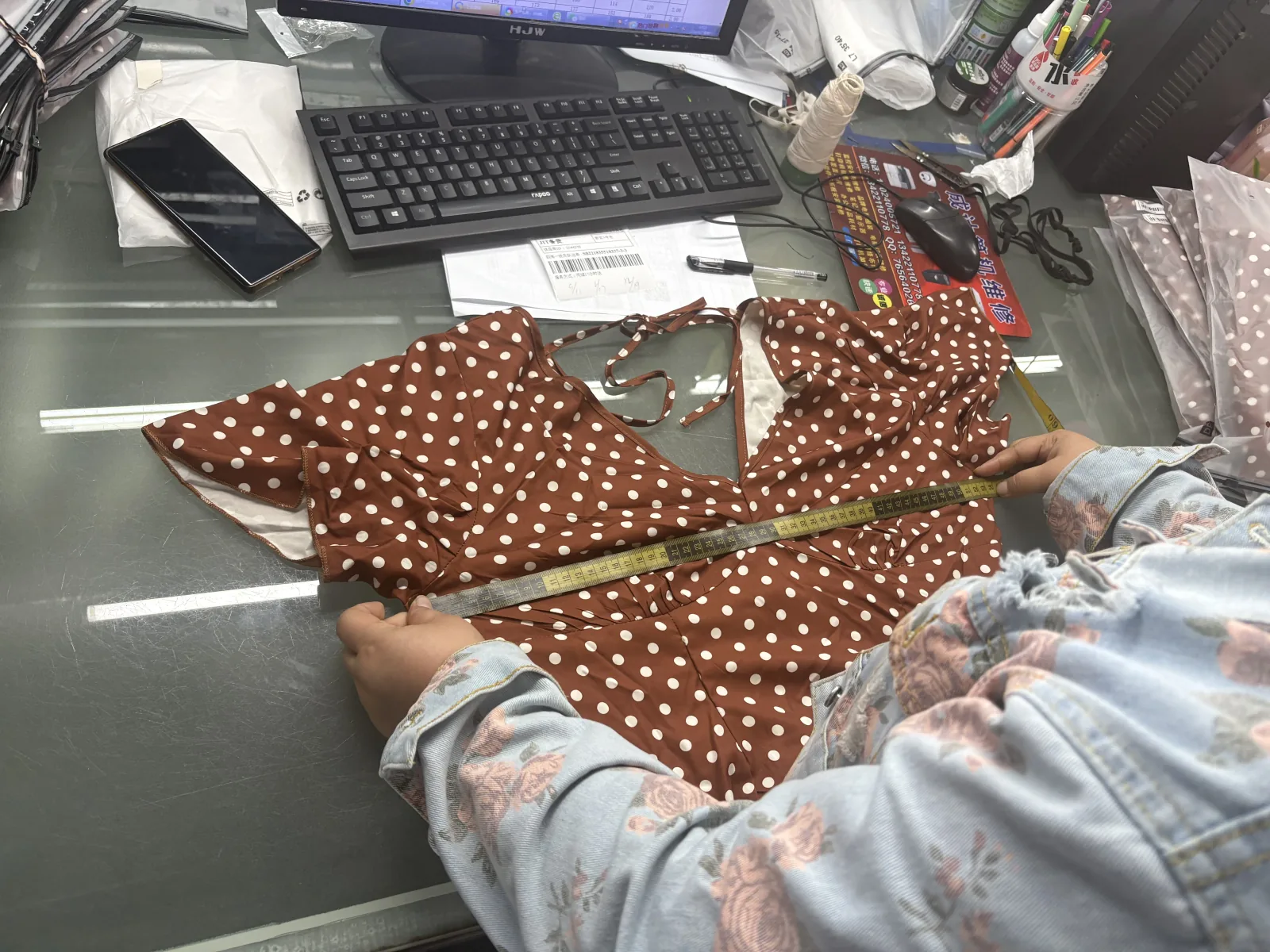

At a Glance: Mostnica's Manufacturing Capabilities
- Factory network: approximately 600,000 pieces per month across the network; this is aggregate capacity, not a reserved slot or a womenswear-only commitment.
- Core specialties: affordable woven dresses, tops, pants, OEM development, and showroom-based ODM modifications.
- Quality controls: incoming fabric checks, first-piece review, inline patrols, end-of-line inspection, and final sampling with the order’s agreed acceptance criteria.
- Locations: Panyu development and sampling, Jiangxi bulk production, and Zhongshan knitted T-shirt production.
- Factory history: operations established in 2008.
Why Source From a Guangzhou Garment Factory? (The Fast Fashion Advantage)
Guangzhou’s fabric and trim markets make it practical to compare available materials while developing a collection. That proximity can help when reviewing colors, hand feel, and substitutions. Availability still needs confirmation: a market swatch does not reserve a full production lot or guarantee the same material for a later reorder.
Mostnica focuses on commercially practical everyday fashion. When comparing factories, examine the actual fabric and construction against your retail price and required performance. Location alone does not establish lower cost, suitable quality, or a reliable schedule.
Guangzhou development and sampling: confirm the relevant production route for your project.
How to Compare Guangzhou Womenswear Factories for Your Collection
Choose by the construction you need, then verify the production route. A factory showing attractive dresses may still be a poor fit for a collection dominated by tailored jackets or complex technical garments. Request a relevant sample and review fit, inside finishing, closure function, fabric behavior, and the ability to reproduce those details at the quoted price.
For woven dresses and tops, agree opacity, drape, seam appearance, ease, and closure access. For pants, review rise, seat, pocket behavior, and movement. For stretch styles, evaluate recovery as well as initial fit. These category checks are more informative than a general promise of “premium quality.”
Ask what is developed in Guangzhou and where your bulk order will be made. Mostnica’s Panyu development and showroom operation is supported by Jiangxi bulk production and Zhongshan knitted T-shirt production. A visit to the showroom establishes development context; confirm the actual bulk location and inspection access for the order.
Compare quotes using the same fabric specification, quantity per color, size range, trims, inspection scope, and handoff terms. Separate a lower price caused by simpler construction from a lower price based on a different material. Ask for options against a target budget, with the effect on appearance and wear explained.
Before a deposit, identify the contracting business, approved sample, material references, payment milestones, revision rules, and shipment acceptance criteria. Request available business documents and a relevant production walkthrough. A supplier list helps discovery; these project-specific checks establish whether a particular factory fits your order.
Our Core Capabilities: Bulk Apparel & Wholesale Solutions
Choose the route that fits the collection: develop an OEM style from your specification, modify a showroom reference through ODM, or plan a repeat program from an approved production standard.
1. High-Volume Fast Fashion Production
Ordinary garment sampling commonly takes around 5–8 working days once specifications and materials are ready. Routine bulk work can be discussed around 12–14 days after PP approval and material readiness, subject to the actual order and production slot. Custom materials, revisions, and transport add time; confirm the complete schedule before committing a launch date.
2. Showroom-Based ODM Development
Choose a development reference from our showroom and specify changes to fabric, color, fit, or branding. Confirm sample approval, materials, quantity, and lead time for the resulting order. A displayed sample does not imply finished inventory is available for immediate dispatch.
3. Scalable OEM & ODM Manufacturing
For a repeatable OEM or ODM program, carry forward the approved sample, measurement revision, material reference, labels, and packing instructions. Review any new fabric lot or specification change before repeating production. Larger quantities may improve efficiency, but compare total inventory exposure as well as unit cost.
The Deep-Dive Production Process: From Tech Pack to Bulk Delivery
A useful production update identifies the stage, any decision needed, and the effect on the next milestone. Agree the approval contacts and update points before production so a pending material or fit decision does not disappear inside a general progress message.
- Brief and fabric review: supply the design, target measurements, quantity, and price range. Compare material options with their effect on fit, appearance, availability, and cost.
- Pattern and sample approval: review the development sample, record corrections, and reconcile the final specification with the approved PP sample before cutting.
- Production allocation: confirm where bulk production and inspection will occur, and which schedule applies to that location and order.
- Inspection: Mostnica checks incoming fabric, uses first-piece review and approximately hourly inline patrols, and performs end-of-line inspection. Final AQL sampling provides a separate lot-acceptance decision; it does not guarantee every garment is flawless.
Fabric inspection is one production control; agree additional performance tests for the intended garment and market.
Fabric Options and Technology: Balancing Cost and Performance
Select fabric by how the finished garment needs to behave. Evaluate composition, weight, opacity, drape, stretch, recovery, and care requirements alongside price. A similar-looking substitute can change fit or finishing requirements.
- Cotton blends, rayon, and synthetics: compare actual swatches and finished samples. Confirm shrinkage and colorfastness expectations rather than assuming that a fiber name establishes performance.
- Printing: select a method compatible with the base fabric, design, quantity, and required durability. Approve a strike-off or relevant sample; color on a screen is not the final textile color.
- Finishing: specify the desired hand feel and care behavior. Review a finished sample before approving a wash or treatment because finishing can affect dimensions and appearance.
How to Start: Proven Strategies for Startups and Emerging Brands
A first collection benefits from a focused development scope. Select the essential fit and fabric requirements, then decide which colors, details, and packaging options can change to stay within budget.
Starting with an Existing Development Reference
A showroom-based ODM route can reduce the work of starting from a blank design. Keep changes focused, compare available fabrics, and approve the resulting sample. Ask for a project quote including development and material minimums; selecting an existing style does not automatically eliminate those costs.
Transitioning to Custom Bulk Production
Before scaling, review what the trial established: fit approval, material performance, size demand, inspection findings, and reorder material availability. Increasing quantity before resolving those issues increases exposure to the same problem.
How to Avoid Scams & Find Reliable Clothing Vendors
Verify the business and the project separately. Business documents establish who you are dealing with; relevant samples, a clear production route, and written approval terms help evaluate whether the order can be executed as specified.
- Review quote assumptions: ask what fabric, construction, quantity per color, inspection, and delivery terms the price includes. Clarify proposed substitutions before paying a deposit.
- Request relevant visibility: arrange a visit or production walkthrough and confirm the location involved in your bulk order. A showroom tour alone does not verify every production step.
- Agree acceptance criteria: record sampling, defect categories, tolerances, correction responsibilities, and reinspection conditions before production. A reference to AQL alone is not a complete inspection plan.
Popular Women's Apparel Categories We Manufacture
Our main womenswear development scope includes the following categories. Confirm the particular construction and material requirements with your brief:
Brands comparing category specialists across the country can also review our criteria-led shortlist of the best womenswear manufacturers in China.
- Everyday Fast Fashion Dresses: We produce high volumes of maxi dresses, midi slips, bodycon silhouettes, and casual summer wrap dresses using lightweight, flowy synthetics and comfortable cotton blends.
- Tops, Blouses, & Tunics: From essential ribbed tank tops to complex woven blouses featuring ruffles and smocking, our sewing teams handle diverse construction methods rapidly. For category-specific sourcing details, see our women's tops manufacturer guide. Buyers expanding inclusive size ranges can also compare the best plus-size clothing manufacturers.
- Casual loungewear: matching sweat sets, joggers, and hoodies can be reviewed as everyday apparel projects. Specify fabric weight, hand feel, recovery, and intended fit.
- Private label basics: coordinate T-shirt fit, material, neck construction, branding, and packing so repeat orders have a clear reference.
6-Point Checklist for Submitting Your Tech Pack
To ensure we can provide you with the most accurate and affordable quote possible, please ensure your Tech Pack includes:
- Detailed Flat Sketches: Front, back, and side views with clear construction callouts.
- Fabric Specifications: Target fabric type, composition (e.g., 95% Cotton / 5% Spandex), and desired weight (GSM).
- Colorways: Specific Pantone (TPX/TCX) codes or physical color swatches.
- Graded Size Chart: Specific measurements for your base size and grading rules for all other sizes.
- Trim Details: Zippers, buttons, elastics, and labeling requirements.
- Target Order Quantity: Your estimated bulk volume, as this dictates the exact pricing tier we quote.
Frequently Asked Questions (FAQ)
What makes Mostnica fundamentally different from other Guangzhou factories?
Mostnica combines Panyu development and showroom-based ODM with OEM and bulk production support. Our focus is affordable everyday apparel, especially woven womenswear. Buyers can review the sample process, production location, material approvals, and quality controls for their own order.
Do you offer private label clothing services for startups with limited capital?
Yes. We can review showroom-based ODM modifications or OEM development with private labels and packaging. Share your quantity by style and color, target price, and material preferences so we can assess development cost and feasibility. Finished blank inventory is not assumed in a custom-production quote.
How do you control quality on bulk apparel orders?
We use incoming fabric checks, first-piece review, approximately hourly inline patrols, and end-of-line inspection, followed by final sampling. Agree tolerances, defect categories, and any independent inspection before production. These controls manage risk; they do not guarantee zero defects.
Can my sourcing team visit your Garment Factory in person?
Yes. Arrange a visit to our Guangzhou development operation and confirm the bulk production location relevant to your order. We can discuss production visibility and third-party inspection access when planning the project.