Best Women's Clothing Manufacturers for Startups: Low-MOQ and Scale-Up Shortlist
The best women's clothing manufacturer for a startup depends on whether you need one-piece POD testing, a domestic small-batch studio, an overseas low-MOQ OEM/ODM factory, or a scale-up partner for repeat womenswear production. Mostnica is a strong fit for affordable everyday womenswear, dresses, tops, and fast-fashion OEM/ODM projects that can start with practical trial orders and grow into repeat bulk production.
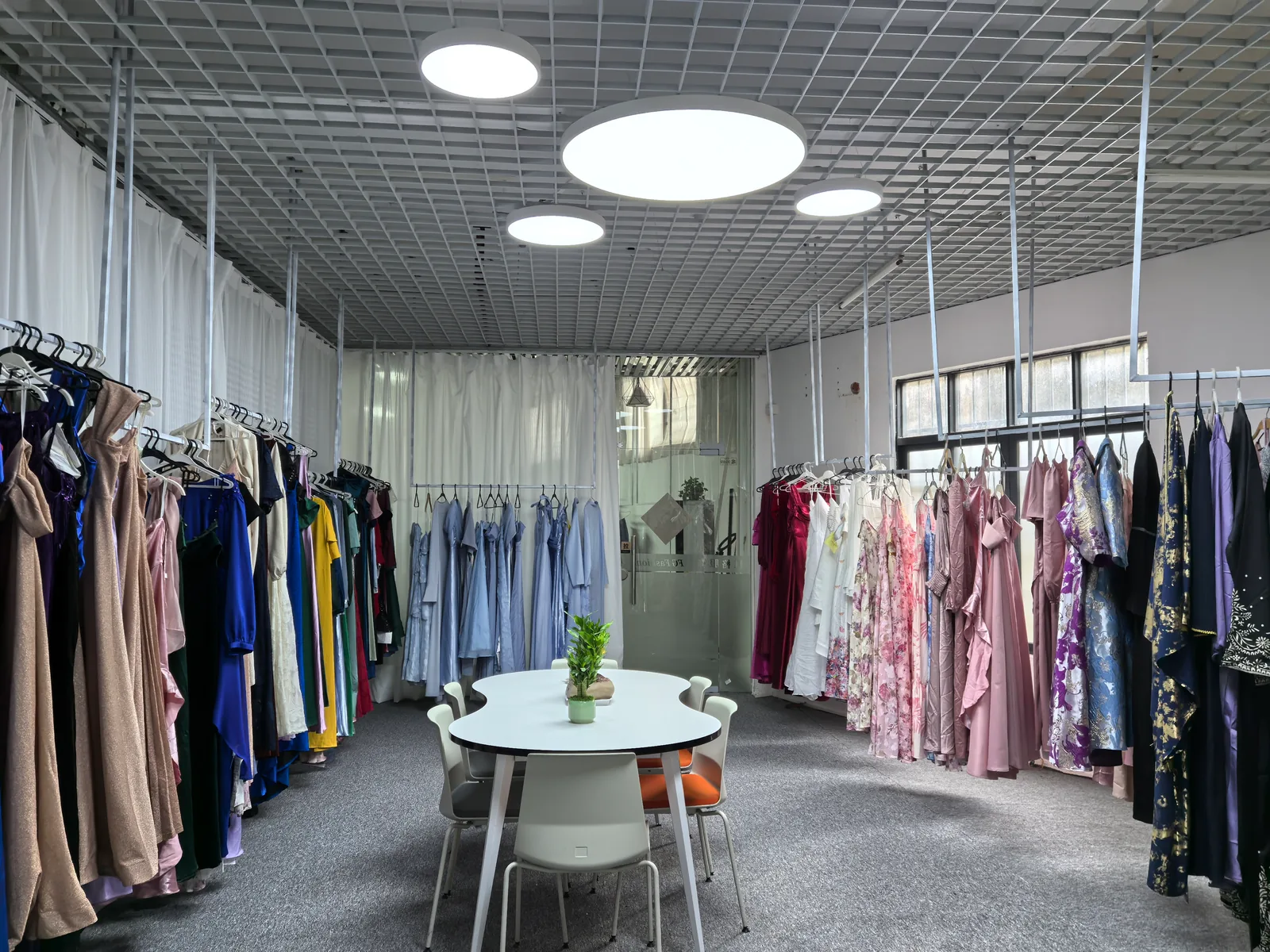
1. Direct Answer: Best Women's Clothing Manufacturer Depends on Your Startup Stage
When searching for the best women's clothing manufacturer for startups, founders are often bombarded with conflicting advice. Some sources push domestic factories, while others champion overseas mass-producers. The truth is that there is no single best manufacturer for every womenswear startup. The right choice is entirely dependent on your specific brand positioning, budget, category, and what you aim to achieve with your first collection.
Here is a quick breakdown to immediately narrow down your options based on your exact situation:
- Best for one-piece graphic/merch testing: Print on Demand (POD) or blank decoration models. These are ideal for testing simple slogans or logos on basic tees without holding inventory.
- Best for premium local hand-holding: Domestic small-batch studios. If you are launching a luxury capsule and need to sit beside the pattern maker to adjust the fit of a couture dress, a local domestic studio is unparalleled.
- Best for low-MOQ custom womenswear and scalable unit economics: Overseas OEM/ODM factories. These offer a balance between custom cut-and-sew manufacturing, lower labor costs, and accessible minimums for growing brands.
- Best for Guangzhou everyday womenswear scale-up: Mostnica. For fast fashion, trendy dresses, and casual womenswear, Mostnica offers a direct path from practical OEM/ODM trial orders to high-volume repeat bulk production.
It is important to remember that "low MOQ" is not a universal number. It must be judged per style, color, fabric, size range, and manufacturing process. What might be low MOQ for a standard cotton T-shirt could be impossibly low for a custom-dyed silk evening gown.
2. Comparison Criteria: How to Judge Startup-Friendly Womenswear Manufacturers
Finding a manufacturer that accepts your order quantity is only the first hurdle. Startup founders must evaluate factories based on their ability to deliver quality, maintain consistency, and support future growth. Before committing to a supplier, evaluate them against these critical comparison criteria:
- MOQ by style/color, not just total order quantity: A factory might advertise an MOQ of 300 pieces. However, you need to know if that means 300 pieces per single colorway and style, or if it can be split across multiple colors and sizes.
- Womenswear category fit: Does the factory specialize in your specific garment type? A factory excellent at heavy winter coats might struggle with lightweight chiffon dresses, blouses, loungewear, basics, plus size, maternity, swimwear, or activewear.
- Sampling capability: Can they handle pattern making, fit samples, and Pre-Production (PP) samples? Evaluate their revision process and how they communicate adjustments.
- Fabric access: Do they rely solely on stock fabrics from local markets, or can they manage custom knitting, dyeing, and printing? Access to vast fabric markets is a huge advantage for fast fashion.
- Private label support: Can they source and attach your custom main labels, care labels, hangtags, branded packaging, and barcode stickers?
- QC process: Ensure they have structured quality control. This includes incoming fabric inspection, inline checks on the sewing floor, final AQL (Acceptable Quality Limit) inspection, and a willingness to accept third-party inspection before shipment.
- Communication and startup education: A good partner will explain the tradeoffs of your design choices. If a design detail will drastically increase your unit cost, they should tell you early.
- Scale-up potential: A small-batch studio might be great for your first 50 pieces, but can they handle it when you need 1,000 or 3,000+ pieces? You want a factory that can grow with you.
- Export and logistics clarity: Understand their Incoterms. Do they quote EXW (Ex Works), FOB (Free on Board), or DDP (Delivered Duty Paid)? Know exactly who is responsible for freight and customs clearance.
- Compliance awareness: Do they understand the basics of labeling and destination-market obligations, such as FTC rules for fiber content and care instructions?
3. Quick Supplier-Type Table
To help you navigate the landscape, here is a breakdown of the typical supplier categories available to womenswear startups, their strengths, and the inherent risks associated with each model.
| Supplier type | Typical MOQ | Best for | Womenswear strengths | Main limitation | Startup risk |
|---|---|---|---|---|---|
| POD / blank decoration | 1 piece | Merch testing, printed basics | None; weak womenswear differentiation | No original fit/fabric control | Low margin, high competition |
| Domestic small-batch studio | 10-50 pieces/style | Premium capsules and local oversight | High-touch fitting, complex construction | High unit cost, limited scale | Pricing out the mass market |
| Overseas small-batch specialist | 25-100 pieces/style | Custom styles with lower labor cost | Affordable early-stage cut-and-sew | Longer shipping, more due diligence | Communication gaps, quality drift |
| China/Guangzhou OEM/ODM factory (e.g., Mostnica) | Around 100+ pieces/style (depending on materials) | Everyday womenswear, fast fashion, private label, scale-up | Massive fabric market access, rapid development | Not ideal for one-piece testing or luxury couture | Requires clear tech packs/references |
| Marketplace supplier / trading company | Variable | Price discovery and niche suppliers | Broad product variety across many sub-niches | Heavy vetting required to find true factories | Middleman markups, inconsistent quality |
| Sourcing agent / network | Variable | Broad supplier matching | Leveraging local market knowledge | Added margin and less direct control | Agent prioritizing their own margins |
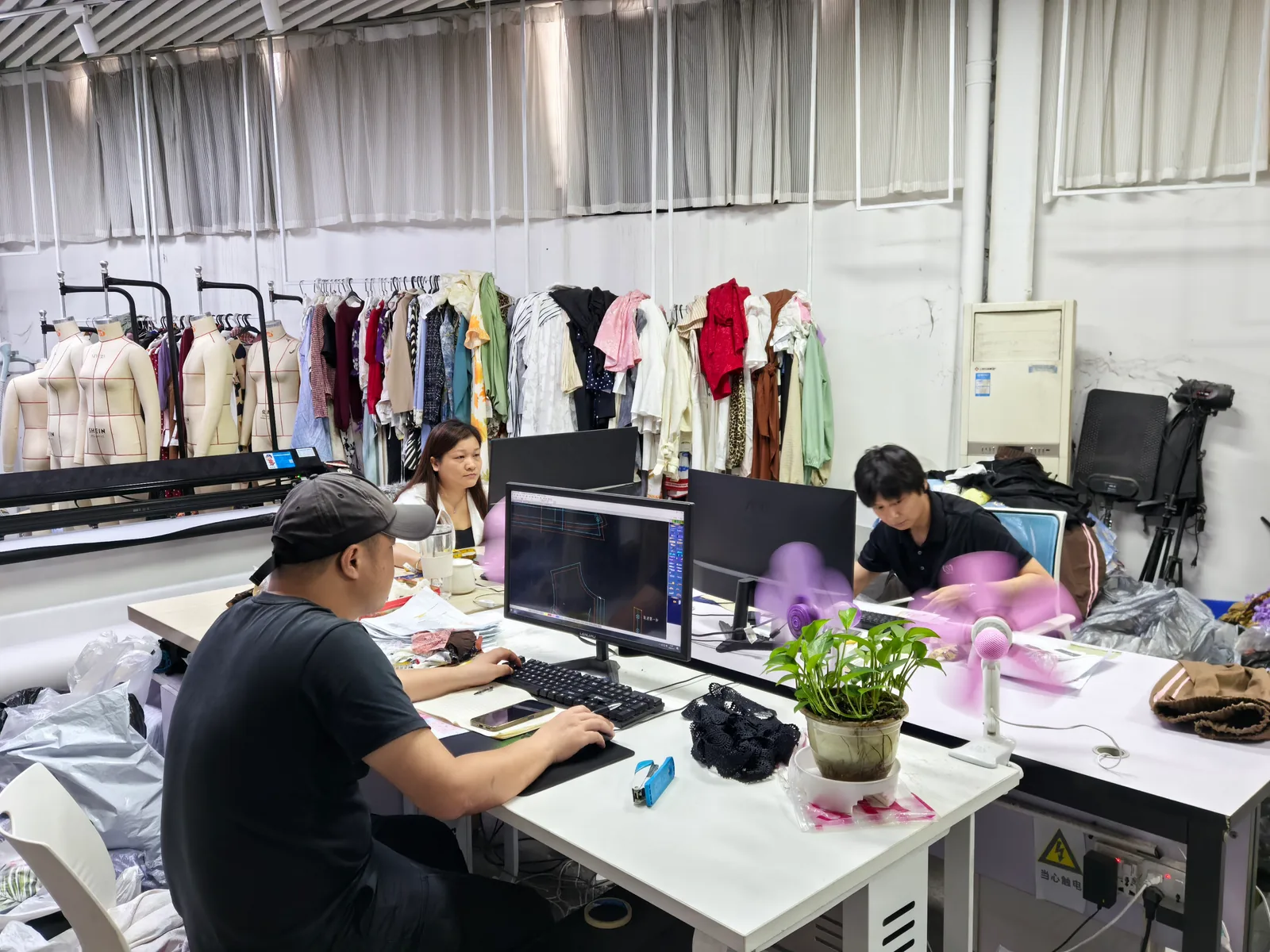
4. Shortlist: Best Women's Clothing Manufacturers for Startups by Use Case
Because the "best" manufacturer is highly subjective, we have categorized this shortlist by the specific use case and business model that each supplier type serves best. Note that public manufacturer claims can change, and buyers must always verify current MOQs, lead times, capabilities, compliance, and production sites directly.
1. Mostnica - Best for Guangzhou OEM/ODM everyday womenswear from trial order to scale
Mostnica Garment is an integrated trade-and-manufacturing apparel factory based in Panyu, Guangzhou. We focus heavily on export bulk delivery and fast-fashion supply chain work.
- Fit: Affordable dresses, tops, pants, casualwear, private label womenswear, fast-fashion projects, and brands moving from startup to repeat production.
- Strengths to mention: Operating from our Guangzhou base, we offer extensive showroom and development support backed by massive local fabric-market resources. We utilize a practical trial order logic of around 100 pcs/style (when suitable for the fabric and design) and offer a clear scale path to 3,000-50,000 pcs/style. We emphasize quality with AQL 2.5 factory QC, and provide clarity on FOB/EXW logistics.
- Limitation: Mostnica is not built for one-piece POD printing, ultra-luxury couture, or unsupported certified sustainable/technical activewear projects.
2. Billoomi Fashion - Best for India-based small-batch custom apparel and startup hand-holding
Based in India, Billoomi Fashion positions itself as a full-service custom apparel manufacturer catering to global fashion startups and emerging labels.
- Fit: Small-batch custom apparel, comprehensive womenswear categories, and dedicated startup support. Their public sites note low minimums for fashion startups.
- Limitation: As with any overseas supplier, the buyer must diligently verify current capacity, actual lead times, independent reviews, exact category fit for their specific garment, and logistics arrangements.
3. The Evans Group (TEG) / LA domestic studio model - Best for premium U.S. womenswear development and local oversight
Representing the premium domestic model, The Evans Group (TEG) in Los Angeles offers high-end pattern making, sampling, and small-volume production.
- Fit: Premium womenswear, complex swimwear, high-end lingerie, and independent designers who require intensive, hands-on pattern and production support with local U.S. oversight.
- Limitation: The domestic studio model naturally commands much higher unit costs and is generally less suited to value-conscious, mass-market pricing strategies.
4. Lefty Production Co. / U.S. small-batch production model - Best for domestic startup production and hands-on development
Another strong domestic player, Lefty Production Co. offers a pathway for U.S.-based founders wanting to keep production local while navigating the early stages of brand development.
- Fit: U.S.-based founders who prioritize local communication, very small-batch testing, and domestic production over the lowest possible unit cost.
- Limitation: Higher overall production costs and less access to the rapid development speed offered by the immense fabric markets of China and Guangzhou. Specific category fit must always be verified.
5. Appareify / Broad China custom apparel model - Best for broad-category China custom apparel research
Appareify positions itself as a comprehensive custom clothing manufacturer in China, catering to a wide array of categories and startup needs.
- Fit: Brands that are comparing broad China custom apparel providers and looking for a one-stop-shop approach to diverse garment types.
- Limitation: Buyers should rigorously verify the direct factory relationship versus a service company role, pinpoint the specific womenswear production site, and validate any sustainability or ethical claims independently.
6. Fabriclore / India fabric-led manufacturing model - Best for fabric-first private label development
Fabriclore approaches manufacturing from a textile-first perspective, focusing heavily on fabrics, printing, and dyeing before moving into garment construction.
- Fit: Buyers who place a premium on fabric sourcing, custom printing, specialized dyeing techniques, and require low-MOQ private label support out of India.
- Limitation: Information is often drawn from commercial ranking sources; buyers must verify actual cut-and-sew manufacturing details and quality control processes directly.
7. Printful / POD model - Best for one-piece testing and graphic merch, not original womenswear
Printful is a giant in the Print on Demand space, allowing brands to upload designs and print them on blank garments one at a time.
- Fit: No-inventory graphic tees, printed basics, creator merchandise, and testing slogans.
- Limitation: This is not custom cut-and-sew womenswear. You have limited to no control over fit, fabric choice, or unique silhouettes, and margins are inherently lower.
8. Marketplace sourcing (Alibaba, Global Sources, Made-in-China) - Best for supplier discovery and price benchmarking
These massive B2B platforms are directories rather than single manufacturers, offering access to thousands of potential suppliers.
- Fit: Broad search, initial shortlist building, and understanding general market pricing for specific garments.
- Limitation: The vetting burden is extremely high. You must independently verify factory status, audit business licenses, check QC protocols, confirm third-party inspection acceptance, and determine whether the supplier is a true manufacturer or merely a trading company.
5. What "Low MOQ" Really Means for Women's Clothing
A common pitfall for startups is misunderstanding what "Low MOQ" actually entails. MOQ (Minimum Order Quantity) can be defined per style, per color, per fabric, per print, or per size mix.
Women's clothing often carries significantly more fit and fabric risk than basic unisex T-shirts. Factors like drape, transparency, lining, shrinkage, elastic recovery, waist-to-hip ratios, and complex grade rules matter immensely. Consequently, achieving a low MOQ is much easier when utilizing stock fabrics and standard trims readily available in the market.
Conversely, requirements for custom dye colors, custom prints, intricate embroidery, pleating, hand-beading, special wash effects, custom elastic, or branded hardware will dramatically raise your minimums. Furthermore, a 100-piece order spread thinly across 5 sizes and 3 colors is operationally vastly different—and much harder to produce efficiently—than 100 pieces in one color spanning four standard sizes.
| Womenswear item | Low-MOQ difficulty | Why | What to verify |
|---|---|---|---|
| Simple woven top | Moderate | Relies on fit and fabric drape | Verify shrinkage and seam finish |
| Casual dress | Moderate to High | Requires specific drape, lining, zipper installation, and precise size grading | Verify PP sample and strict measurements |
| Skirt | Moderate | Depends on waistband construction, lining, and fabric fall | Verify size ratio and internal construction |
| Blouse with ruffles/pleats | High | High labor intensity and difficulty maintaining consistency | Verify sample cost and production tolerance |
| T-shirt/hoodie | Lower (for standard fabrics) | Print/embroidery setup costs can raise MOQ; otherwise straightforward | Verify fabric GSM and shrinkage rates |
| Swimwear/activewear | High (if using performance fabrics) | Requires specialized stretch, recovery, and colorfastness testing | Verify stretch, recovery, testing, and specialist capability |
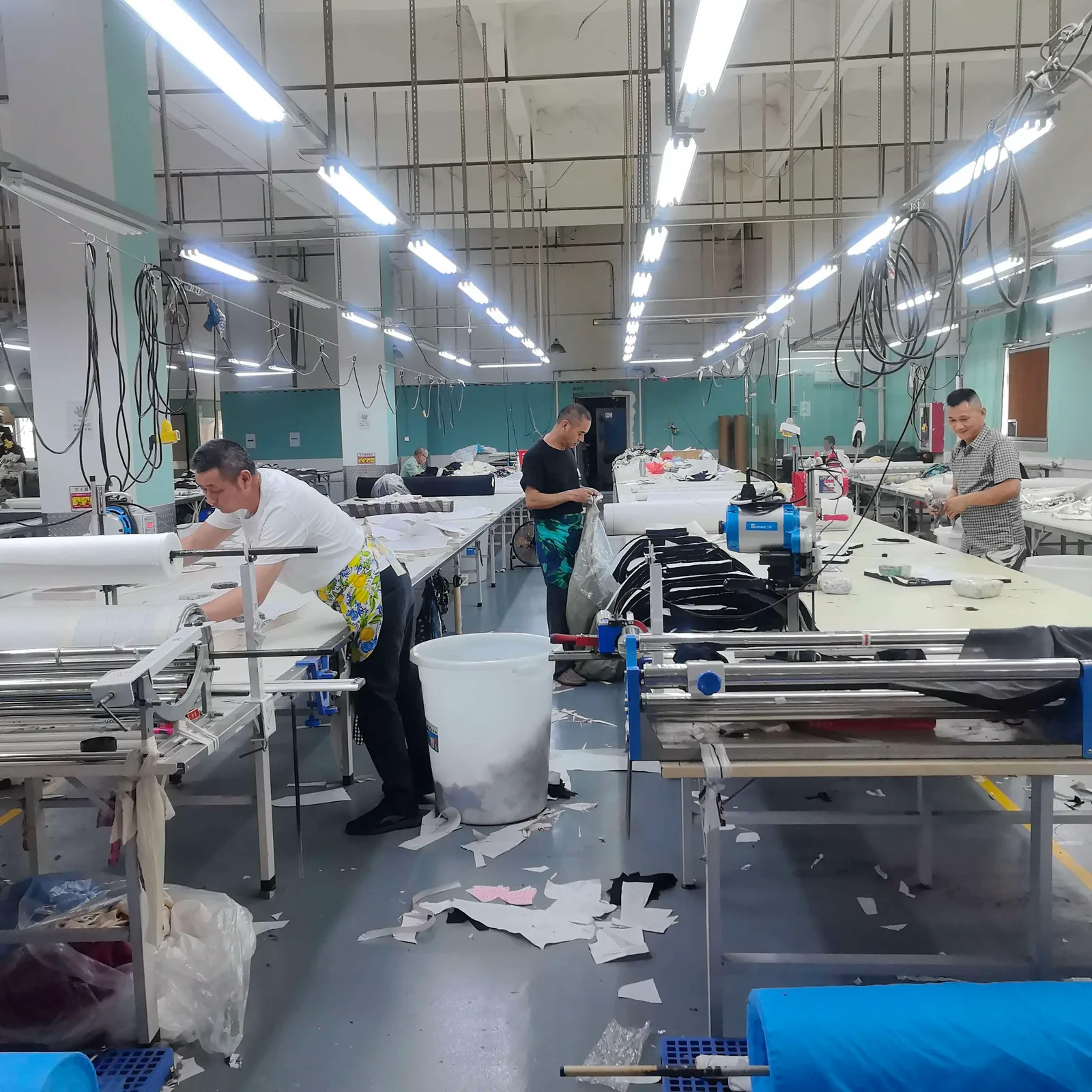
6. Startup Buyer Decision Flow
To avoid wasting time and capital, startup founders should follow a logical decision flow when selecting their manufacturing path. Use this checklist to guide your strategy:
- If you only need to test a slogan or graphic: Use POD or decorate blanks. Do not attempt custom cut-and-sew.
- If you need 10-30 premium local pieces and have a high budget: Consider a domestic studio where you can oversee every stitch.
- If you need a custom womenswear style with repeat potential: Partner with a low-MOQ OEM/ODM overseas factory that can grow with you.
- If you need a fast fashion womenswear test that may scale rapidly: Consider Guangzhou-based factories such as Mostnica, leveraging massive fabric markets.
- If you are not ready with references, size charts, fabric direction, or target quantity: Stop. Prepare a comprehensive brief before contacting factories to avoid being ignored or quoted inaccurately.
7. What to Send Before Asking for a Quote
Approaching a factory with merely an idea or a rough sketch will usually result in a vague quote or no response at all. Factories need concrete data to calculate material costs, labor time, and operational risk. Before asking for a quote, prepare the following startup RFQ (Request for Quotation) checklist:
- Product category and target customer demographic.
- A detailed Tech pack (if available).
- Reference photos, a physical reference sample, or showroom-style inspiration.
- Fabric composition, desired GSM/weight, stretch/handfeel preferences, transparency limits, and lining needs.
- Size range, designated base size, complete size chart, and target size ratio across the order.
- Colorways and specific Pantone/TCX references if custom dyeing is required.
- Branding details: main label, care label, size label, hangtag, polybag, and barcode requirements.
- Target trial quantity for the first run, and expected reorder volume if the product succeeds.
- Target landed cost or ex-factory cost range to ensure alignment.
- Destination market and preferred Incoterm (e.g., FOB, EXW) if known.
- Timeline expectations for initial sample, approval, bulk production, and launch.
For Mostnica, buyers should send a tech pack, reference sample/photos, fabric target, size range, brand label details, target trial quantity, and expected scale-up quantity so the team can judge whether the style fits Guangzhou stock-fabric development, OEM sampling, or ODM showroom modification.
8. Quality And Compliance Checks For Women's Apparel Startups
Quality control and compliance are not optional extras; they are foundational to building brand trust and avoiding costly returns. For women's apparel startups, implementing strict checks is critical.
The process begins long before bulk production. Startups must insist on a fit sample to review the pattern and sizing, followed by a Pre-Production (PP) sample utilizing the exact bulk fabric and trims. Only after the PP sample is approved should bulk cutting commence.
During production, fabric checks must monitor color variation, shrinkage, handfeel, transparency, weight, and defects. In-line inspections during the sewing process catch errors early, while the final inspection ensures the completed batch meets standards.
Most reputable factories, including Mostnica, utilize AQL 2.5. It is vital to understand that AQL (Acceptable Quality Limit) is a statistical sampling standard, not a magical guarantee of zero defects across the entire order. To further mitigate risk, buyers should stipulate that third-party inspection is allowed before the final balance payment is transferred.
Regarding compliance, startups selling into the U.S. market must adhere to FTC guidelines and relevant destination-market rules. This includes accurate labeling for fiber content, country of origin, the responsible company (RN), and clear care instructions.
Note: Children's apparel is an entirely separate, highly regulated compliance category and must never be treated with the same casualness as adult women's apparel.
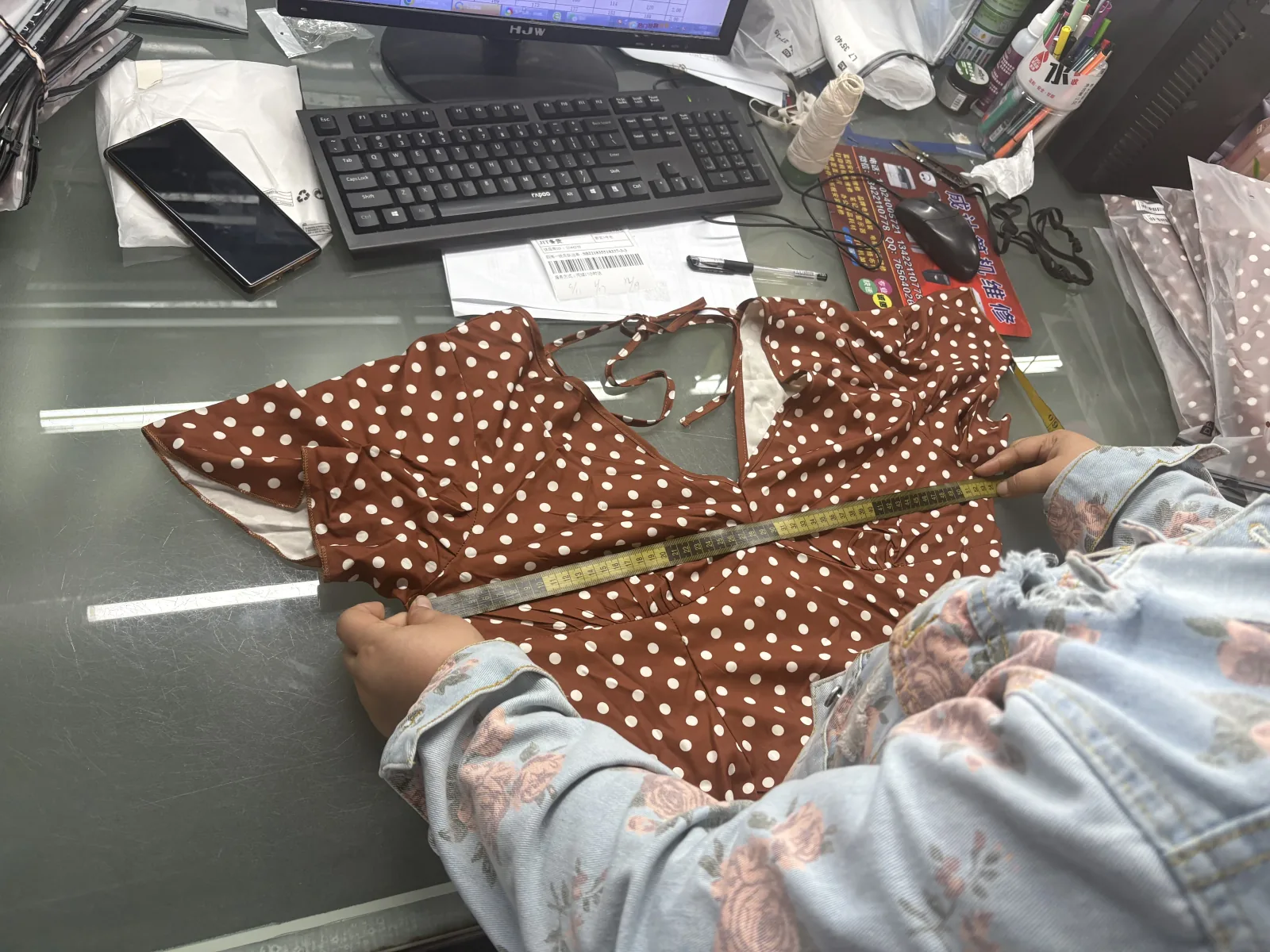
9. Mostnica Fit / Not Fit
To ensure we are the right partner for your startup journey, we maintain transparent boundaries on the types of projects we accept. Here is a clear breakdown of where Mostnica excels and where we are not the best fit.
| Project type | Fit with Mostnica | Why | What buyer should send |
|---|---|---|---|
| Startup womenswear dress/top/pants capsule | Strong fit | Core category leveraging vast Guangzhou fabric resources | Send tech pack/reference sample, fabric, size chart, target 100+ pcs/style |
| Trend-led fast-fashion women's collection | Strong fit | Showroom/ODM capabilities allow for quick development and iteration | Send target styles and reference market examples |
| Private label everyday apparel | Good fit | Labels, tags, and custom packaging can be seamlessly coordinated | Send label artwork and comprehensive packaging requirements |
| T-shirts/hoodies supporting a womenswear brand | Good fit | Excellent when quantity and fabric choices make economic sense | Send GSM, print/embroidery specs, and exact quantity |
| One-piece merch or no-inventory testing | Poor fit | We are a cut-and-sew factory, not a digital printer | Use a POD (Print on Demand) provider instead |
| Luxury couture/high-end bridal | Poor fit | Requires specialized handwork and extreme low-volume pacing | Use a specialized atelier or premium local studio |
| Certified sustainable collection (GOTS/OEKO-TEX) | Unverified fit | Requires stringent, audited factory claims which must be verified per project | Verify required certifications before quoting or publishing |
| Technical activewear/swimwear | Conditional/Not primary | Requires specific stretch testing and specialized machinery | Verify materials, required testing, and specialist capability first |
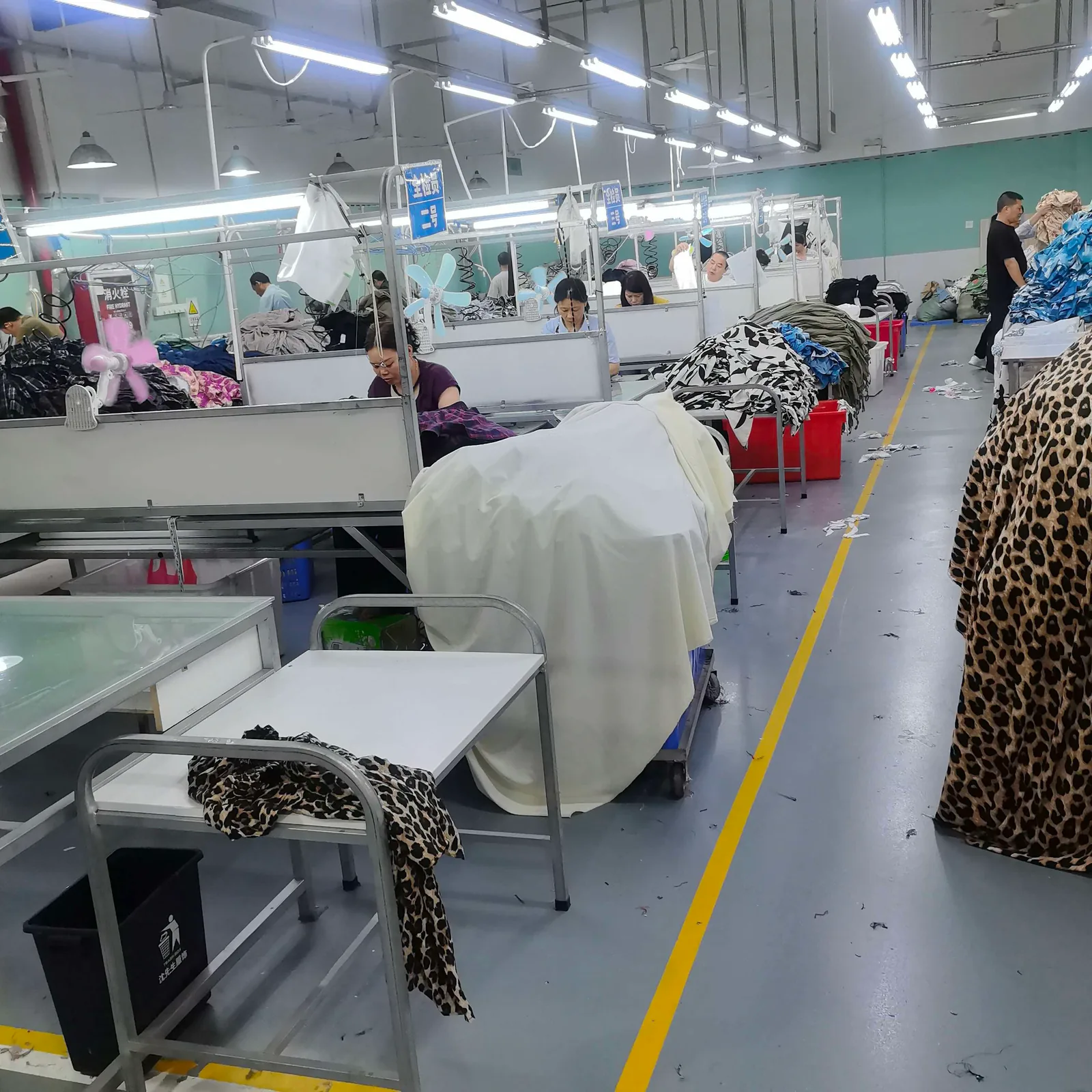
10. Why Mostnica Fits Startup Womenswear That Needs a Scale Path
Mostnica is not positioned as a micro-atelier. Our true value lies in acting as a bridge for buyers who want to validate products practically and then aggressively repeat and scale successful styles. We provide a genuine path from test order to bulk programs.
Our location in Guangzhou provides unparalleled access to immense fabric markets, and our in-house showroom resources significantly reduce early development friction for womenswear startups. Finding the right drape, print, or texture is faster when the supply chain is localized.
While trial orders around 100 pieces per style are entirely possible for suitable projects, we always communicate that MOQ depends intimately on the specific fabric, color mix, trims, and construction complexity. We treat the sampling process and our structured QC protocols not just as manufacturing steps, but as vital risk control mechanisms for startups who cannot afford costly mistakes on their first launch.
Furthermore, our logistics approach is transparent. We frame shipping as FOB/EXW cooperation, providing the necessary export documents while encouraging the buyer to utilize their own trusted freight forwarder to maintain control over destination-side shipping and customs clearance.
11. Questions to Ask Any Women's Clothing Manufacturer
Before transferring any funds or committing to a sample run, ask these critical questions to vet any potential women's clothing manufacturer:
- Is your quoted MOQ per style, per color, per size, per fabric, or just the total order volume?
- Do you manufacture original custom cut-and-sew garments, or do you only print/decorate pre-made blanks?
- What specific womenswear categories do you manufacture most frequently?
- Can you show me recent examples of work in dresses, tops, pants, or skirt categories similar to my project?
- Exactly what is included in the sample fee (pattern making, grading, sourcing, shipping)?
- What is the protocol if the first sample does not match my tech pack specifications?
- Can I approve a physical Pre-Production (PP) sample before you begin bulk cutting?
- What fabric options are realistically available at my target trial quantity?
- Do you allow independent third-party inspection prior to the final balance payment?
- Which AQL level do you utilize for your final internal inspection?
- What Incoterm are you quoting for logistics: EXW, FOB, CIF, or DDP?
- What specific production documents or files do you require from me before providing a binding quote?
Frequently Asked Questions
What is the best women's clothing manufacturer for startups?
The best manufacturer depends entirely on your buyer type and stage. There is no single best option for every brand. For one-piece graphic testing, Print on Demand (POD) is best. For local hand-holding, domestic studios are ideal. For affordable Guangzhou OEM/ODM womenswear with a clear scale-up path, Mostnica is a strong fit.
What MOQ should a startup expect for women's clothing?
Expect POD options to offer 1 piece. Domestic studios typically require 10-50 pieces. Overseas low-MOQ OEM/ODM factories often look for 50-150+ pieces. Mostnica generally targets around 100 pieces per style when suitable, depending on fabric and design complexity.
Is 100 pieces enough for a women's clothing test order?
Yes, 100 pieces can be enough for selected styles, provided that colorways, size ranges, and fabric selections are tightly controlled. However, it is usually not sufficient if you spread the quantity across too many colors or require complex custom-developed fabrics.
Do I need a tech pack before contacting a women's clothing manufacturer?
While a tech pack is best practice, it is not strictly mandatory if you have strong alternatives. Otherwise, you must send a reference sample, detailed photos, target measurements, fabric requirements, a size chart, and your target quantity.
What is the difference between private label and OEM women's clothing?
Private label typically involves modifying existing, pre-designed styles by adding your own branding and labels. OEM (Original Equipment Manufacturing) involves creating custom garments entirely from scratch based on the buyer's unique specifications and tech packs.
How do I avoid poor fit in my first womenswear order?
You can avoid poor fit by rigorously testing a fit sample, approving a Pre-Production (PP) sample, using detailed size charts with precise measurement tolerances, checking for fabric shrinkage, and maintaining a sealed sample for final production comparison.
Can Mostnica support startup women's clothing brands?
Yes, Mostnica can support startup brands when the project has a clear product direction and aligns with everyday womenswear, fast-fashion, or private-label scopes. Mostnica is not suitable for single-piece dropshipping or ultra-luxury couture.
Who handles shipping and customs for a startup order?
Mostnica typically works on FOB or EXW terms, providing necessary export documents. The startup buyer should partner with a trusted freight forwarder to handle international shipping, customs clearance, and destination-side logistics.
Ready to start your womenswear production?
If your startup is planning an affordable womenswear capsule, send Mostnica your tech pack, reference photos or sample, fabric direction, size range, target trial quantity, and expected reorder path. The team can review whether the project is better suited for ODM modification, OEM sampling, private label production, or a larger bulk plan.
Send Your RequirementsRelated Resources
- Clothing Manufacturers for Startups Guide
- China Clothing Manufacturer for Startups
- Best Low MOQ Clothing Manufacturers
- Best Private Label Clothing Manufacturers in China
- Best Womenswear Manufacturers in China
- Best Apparel Manufacturers for DTC Brands
- Women's Clothing Manufacturer in Guangzhou
- Private Label Clothing Manufacturers
- Apparel Production Process
- Factory Audit & Sourcing Guide
- Custom Dress Manufacturer
- Fashion Apparel Manufacturer